
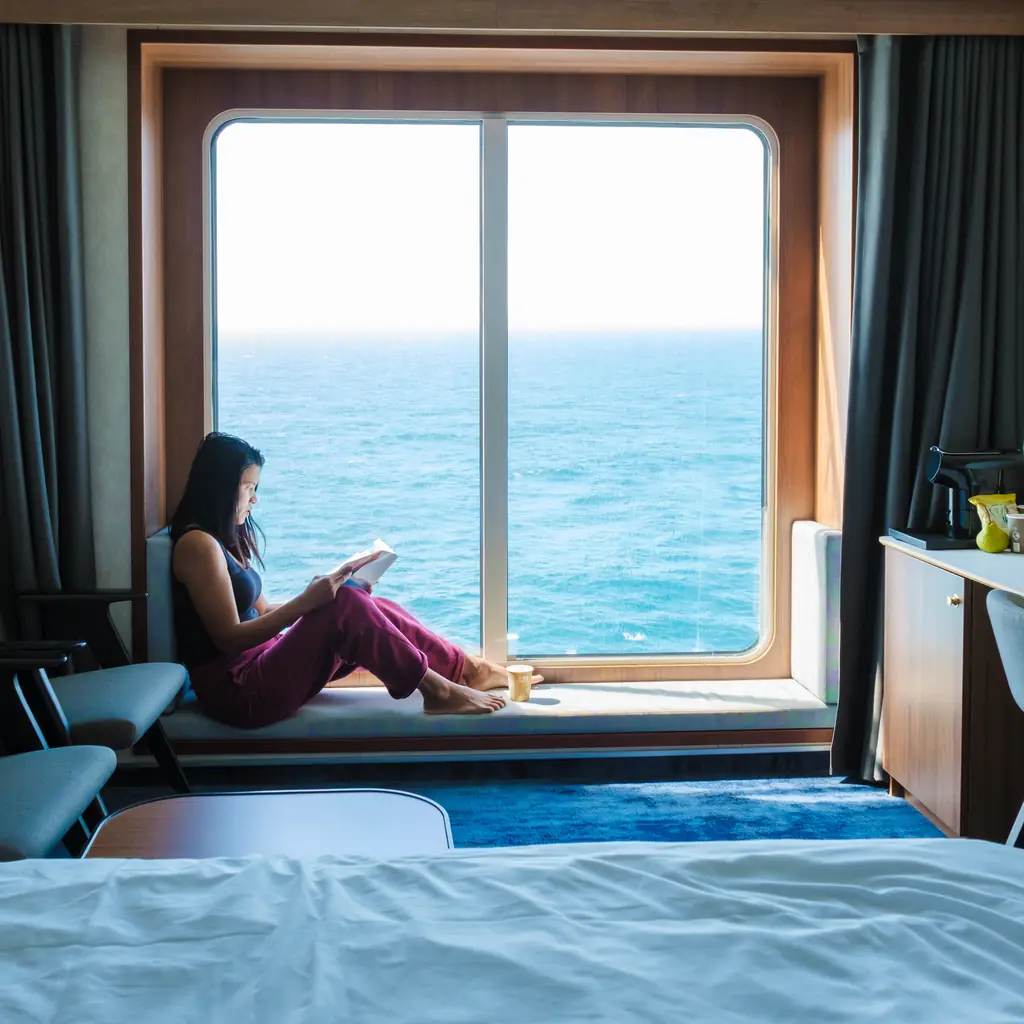
The expensive cruise mistakes are not always dramatic. Sometimes they begin with a cabin beneath the wrong room, a bag handed over too soon or a port day that looked much easier on a screen.
1. Booking a cabin without checking the surrounding decks
A cabin can look perfectly placed on its own deck while sitting beneath an outdoor activity area or beside a busy service space. The room photograph will not tell you that.
Open the plans for three decks: yours, the one above and the one below. Locate entertainment venues, public walking areas and any spaces whose purpose is unclear. Ask the line about an unexplained area before choosing a room beside it.
This cannot guarantee silence. It does let you distinguish a location chosen for your priorities from one chosen because the cabin number looked central. Someone who sleeps early may value that more than a slightly larger window.
2. Putting your first-day essentials in checked luggage
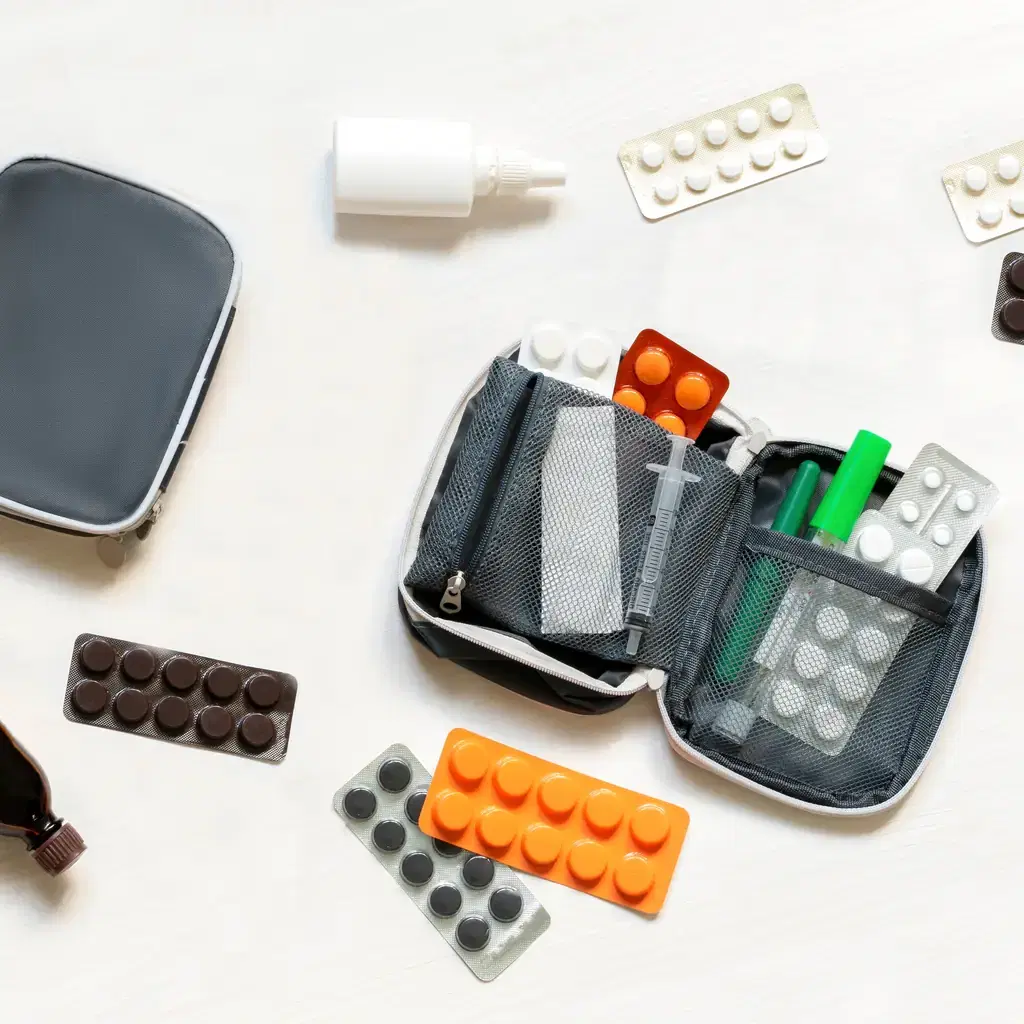
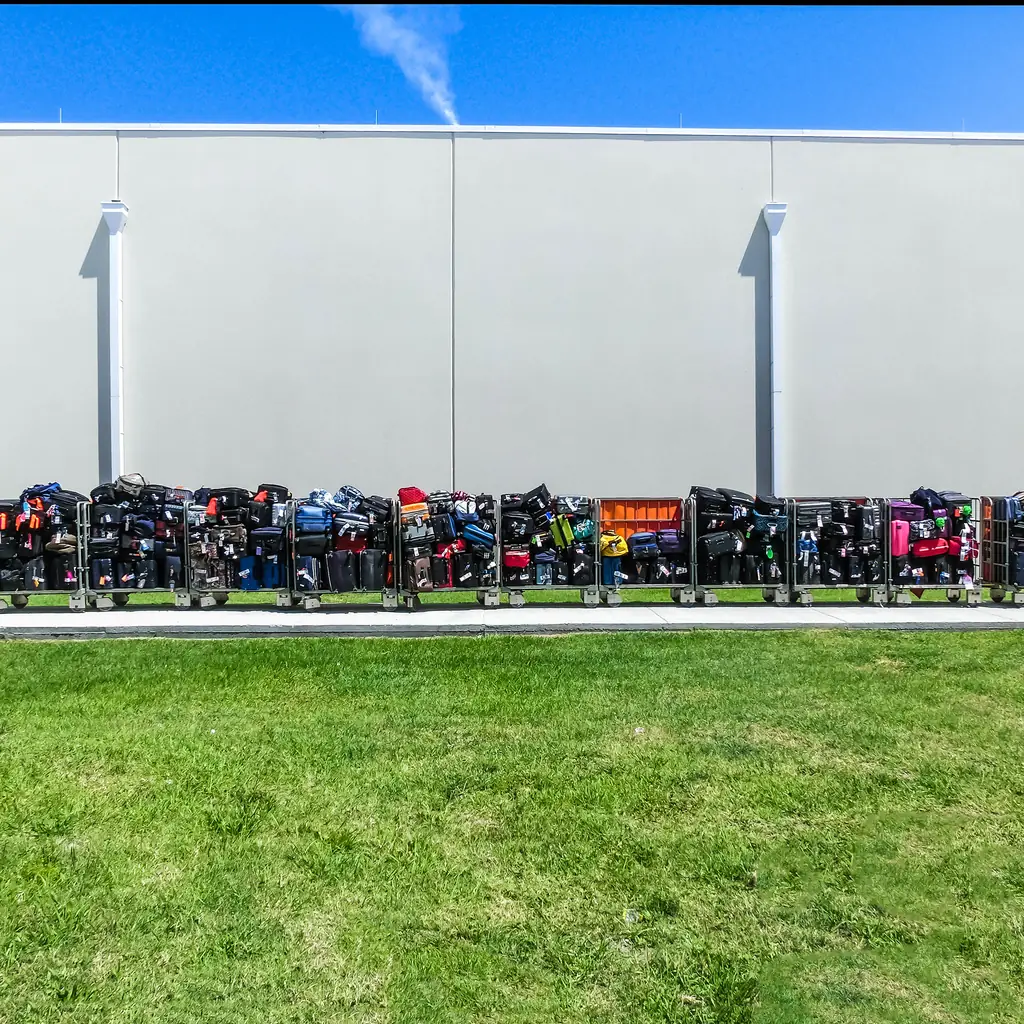
Documents, medication, glasses and a change of clothes belong in the bag that stays with you. Once the larger suitcase enters the ship’s luggage system, you should not plan your first afternoon around getting it back immediately.
The awkward version of this mistake is sitting beside a pool in travel clothes while your swimsuit takes its own journey through the ship. The serious version involves an essential item you cannot easily replace.
Royal Caribbean recommends a small carry-on and warns that cabins may not be ready for immediate luggage storage. Keep that bag useful but light enough to carry through lunch. Luggage guidance
3. Booking a tour too close to the ship’s arrival time

A ship arriving at a port is not the same thing as a passenger standing outside the terminal. Clearance, the gangway, walking through the port and any tender transfer all come between those moments.
Before booking an independent excursion, tell the operator your ship, scheduled arrival and whether the call uses tenders. Ask where the meeting point is relative to the passenger exit.
Leave a workable margin rather than hoping to be the first person off. The photograph of a beautiful beach stops being persuasive when getting there requires you to win a race through the terminal.
4. Flying in on the day your cruise departs

Flying in on departure day can work perfectly. It can also leave little room for a canceled flight, a delayed suitcase or a transfer that takes longer than expected.
For an independently arranged flight, compare the cost of an earlier arrival with what missing embarkation would do to the trip. An extra night may be a worthwhile purchase of time rather than an unnecessary hotel expense.
There is no universal buffer that removes every risk. Long connections, seasonal weather and distance from airport to port change the calculation. Read the arrival assistance terms if the cruise line arranged the air travel; do not assume they promise to hold the ship.
5. Spending your first afternoon in unnecessary queues
Getting on board can produce a sudden urge to solve everything: change dinner, inspect every venue, ask three questions at Guest Services and find a lounger before someone else does.
Separate the time-sensitive tasks from the ones that can wait. Complete required safety steps as instructed, deal with an important reservation, then sit down and eat.
A question about the shop’s opening hours rarely needs to compete with a real boarding problem at the service desk. Your first afternoon is part of the cruise you bought. It does not need to become an administrative rehearsal for the rest of the week.
6. Leaving show reservations until the last minute
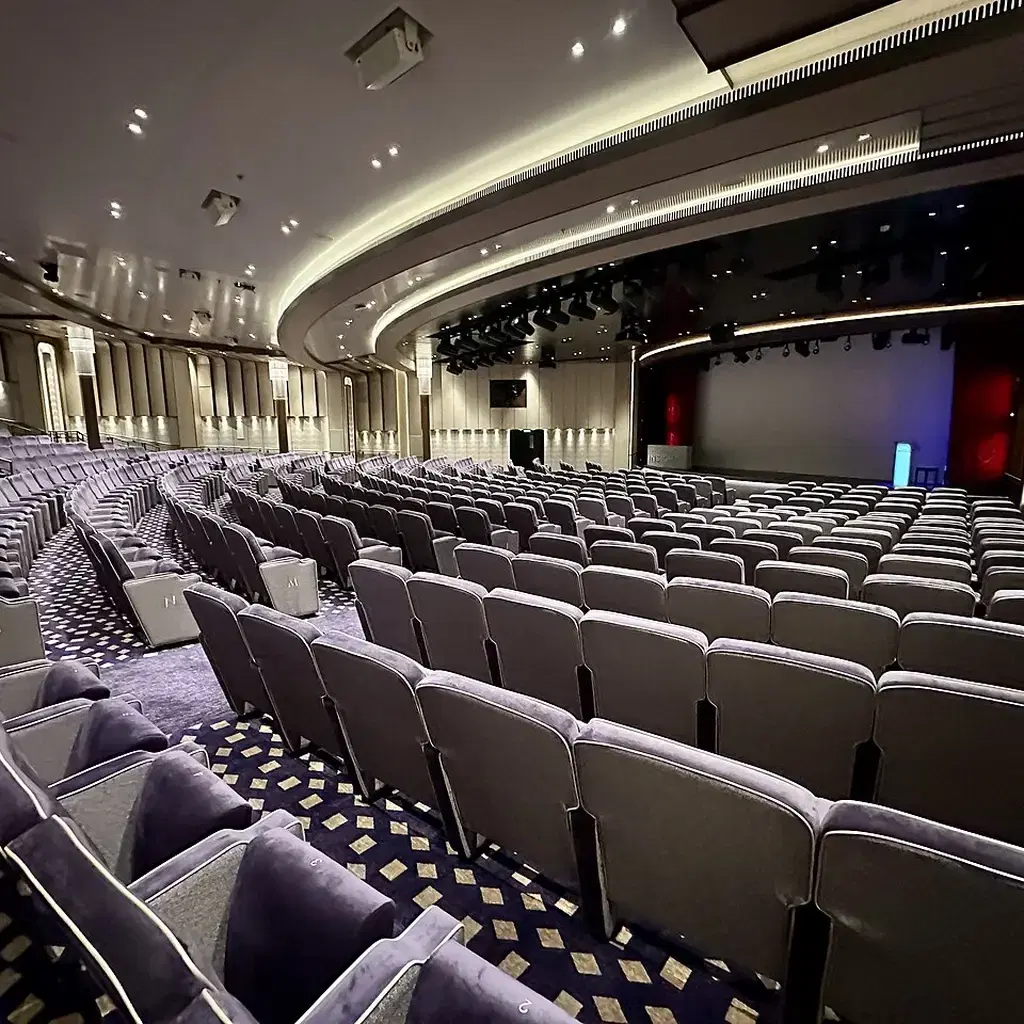
Some shipboard shows use reservations, while others admit guests through a different process. The system can vary even within one cruise line.
If there is a performance you particularly want to see, look at the instructions for that sailing before the evening arrives. Follow the stated reservation and arrival requirements; a booking is not permission to appear whenever you like.
Then let the smaller discoveries happen around that anchor. You do not need tickets to every possible event. Missing the one show you chose the ship to see hurts more than missing an activity you only added to fill an empty hour.
7. Not allowing enough time for dinner
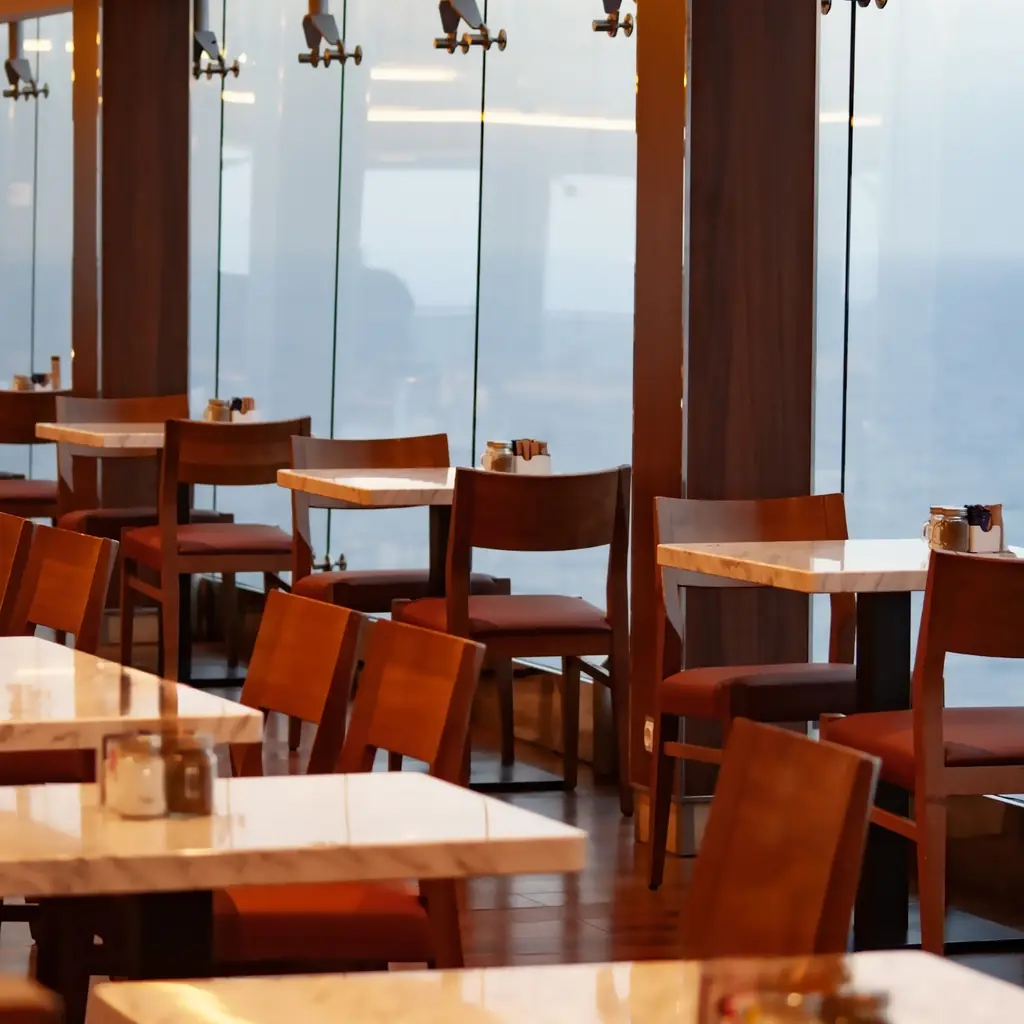
A sit-down dinner can include several courses and conversation. That is part of the pleasure, until a tightly timed plan makes the meal feel like a delay.
Leave room between your dining time and the next event, including the walk across the ship. Tell the server early if there is a genuine timing constraint, but do not assume the whole meal can be compressed on demand.
Alternatively, choose a quicker venue that evening. Saving the longer dinner for another night is usually more satisfying than paying for a special meal and spending half of it looking toward the exit.
8. Trying to do every activity on the schedule

A cruise program can contain more than one person could comfortably do. That abundance is meant to give you choices, not assign you a workload.
Choose one daytime activity and one evening highlight as a starting point. Add more only when you still feel like doing them. An hour reading beside the sea is not wasted time because it has no reservation number.
Browse the included activities for something you would enjoy, then leave space around it. You don’t need to fill every hour.
9. Assuming every onboard activity is free

A friendly invitation to a tasting, a dining venue beside an included café and a scheduled class can all involve extra charges. Being on the ship does not settle the price.
Look for the inclusion or charge in the current menu, app or booking screen. Ask before ordering if it is unclear. There is nothing awkward about wanting to know what you are buying.
The mistake is not choosing a paid experience. It is accidentally purchasing something you would have declined. An upgrade you knowingly enjoy belongs in a different category from a surprise charge you discover while checking the bill.
10. Buying a drinks package you’ll barely use

Picture your actual days: an early tour, lunch ashore, an afternoon swim and perhaps a drink before dinner. Does that resemble the day you used to justify a package?
Compare the full package cost with purchases you would make anyway. Do not build a plan around consuming more simply to make a prepaid purchase feel worthwhile.
Companion rules matter, too. Royal Caribbean’s stated alcoholic-package policy requires other guests of legal drinking age in the same stateroom to buy it. Package terms Before buying a cruise package, compare the total cost for everyone in your cabin with what you would each spend without it.
11. Underestimating the distance from the port to the sights

A destination name can cover a considerable area. “Rome” on a cruise itinerary commonly means Civitavecchia, followed by transport to the city. Port Mobility describes the railway connection and the separate journey to the station. Port transport guide
Look at the location of the pier and the entrance to the place you want to visit. Include both directions and the final walk.
If the transfer consumes more of the day than you want, choose somewhere closer. A good afternoon in the port town is a real experience, not a failed attempt to reach the name printed in larger type.
12. Overlooking the boat transfer needed to reach some ports
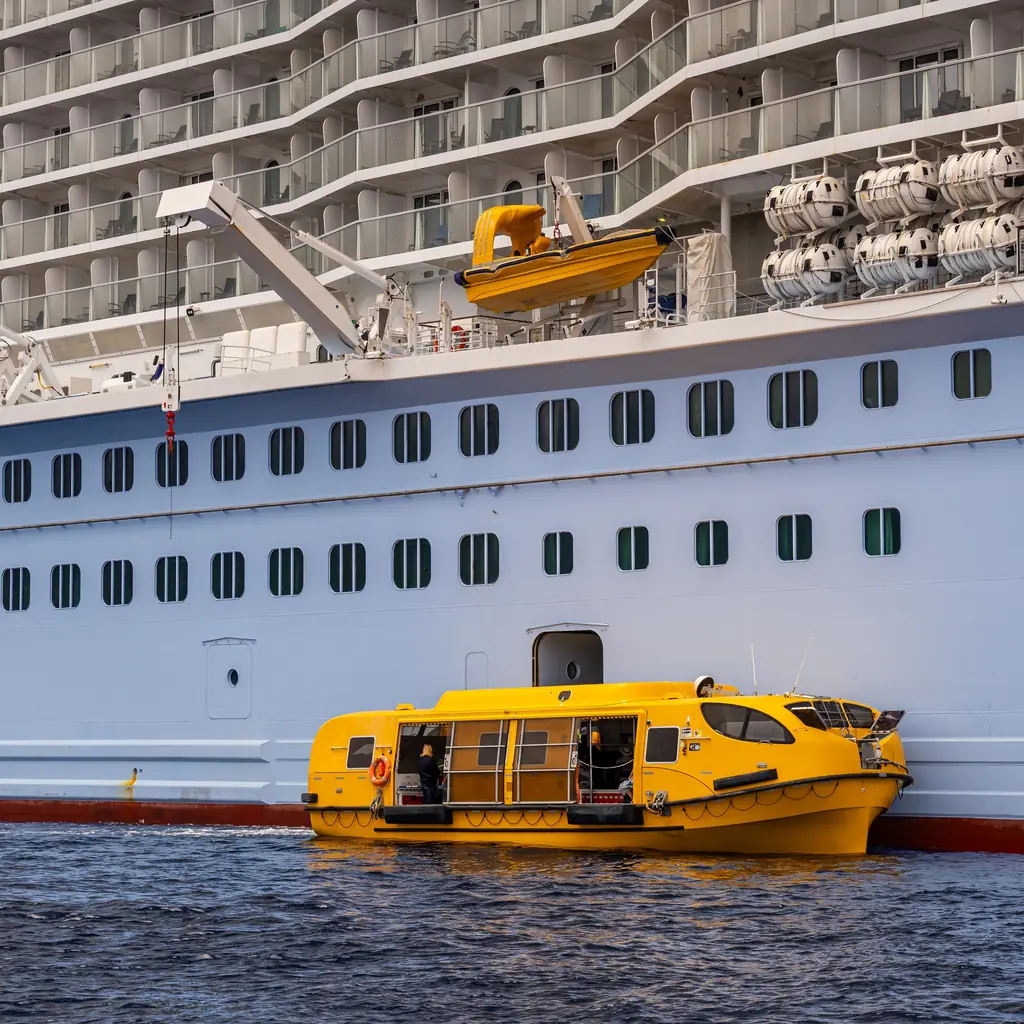
A tender adds a boat transfer between ship and shore. For someone who finds steps, balance or transfers difficult, that detail can matter more than the number of ports.
Ask about the exact ship, port and mobility equipment involved. A photograph of an accessible cabin does not answer how you will reach land at every stop. Royal Caribbean’s accessibility information distinguishes the demands of different shore tours. Accessible-excursion information
When planning a cruise later in life, explain your access needs before booking so the line can advise on the specific sailing.
13. Forgetting that ship time may differ from local time

Before going ashore, note the time the ship is using and the posted all-aboard deadline. If your phone changes automatically when it connects to a local network, compare it with the ship’s instructions again.
Do not assume every sailing handles time-zone changes the same way. The safe reference for returning is the one given by your own ship.
Set an alarm that leaves time to return, not an alarm for the final boarding moment. Keep the deadline somewhere you can see without mobile data. A screenshot or a paper note is less glamorous than a travel app but does the job.
14. Returning at departure time instead of the all-aboard deadline

The departure time is not a target for arriving at the terminal door. Use the earlier all-aboard time and allow for the final walk, security and things that do not go to plan.
Royal Caribbean says independent visitors are responsible for getting back and should verify the deadline posted near the gangway. Return-to-ship guidance
A turnaround time is especially useful on a self-guided outing: decide when you will stop exploring and start back. It prevents an attractive extra stop from silently using the margin you intended to keep for traffic or a missed train.
15. Booking an “easy” excursion without checking the walking involved

An excursion can be described as easy while still involving a bus step, uneven paving or a stretch without seating. Those details affect people differently.
Ask for the longest continuous walk, the terrain and the number of stairs. If you use a wheelchair or scooter, give the operator its dimensions and explain any transfer needs before booking.
Before booking a shore excursion, make sure you understand what the most demanding part involves. The useful question is not whether an excursion sounds manageable in a brochure, but whether its hardest part fits your needs.
16. Assuming every cruise terminal is next to a beach
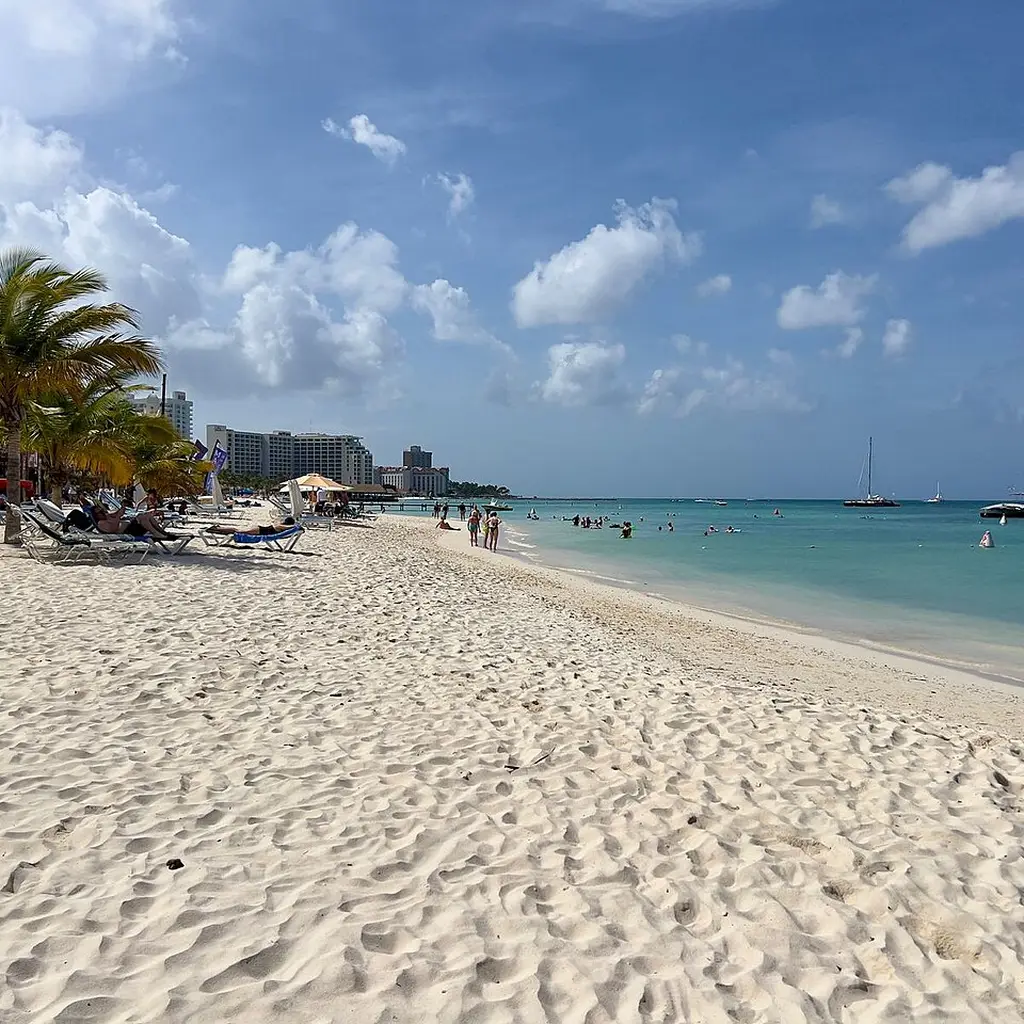
A tropical port photograph may show the destination’s best beach, not the ground beside the ship. The actual terminal might open onto a town, a transport area or a long pier.
Identify the beach you want, its access point and the return journey. Include any entry charge, chair rental or other purchase you actually plan to make.
If the beach outing becomes mostly transport, another port may suit it better. Save your swimming day for a stop that makes it easy, and use this one for what it does well. Beaches are not interchangeable just because they appear on the same itinerary.
17. Packing only for warm, sunny weather

A warm-weather cruise can still involve a windy deck, an air-conditioned theater and a sudden shower ashore. An excursion may require closed shoes even when the rest of your suitcase suggests a beach holiday.
Pack a light layer and the clothing required for the activities you chose. Keep a compact rain layer where you can reach it rather than burying it beneath formal clothes.
The goal is not to pack for every possible event. It is to avoid spending a favorite evening chilled, or discovering at the meeting point that the shoes you brought do not meet the operator’s requirements.
18. Wearing brand-new shoes on a long shore excursion

A shoe that feels fine across a living-room floor can feel different after an hour on paving. Wear your intended shore shoes on a proper walk before the trip, with the socks you expect to use.
Notice rubbing, slipping and whether your feet feel crowded after you have been moving. A pair that needs constant adjustment will not improve because the street is scenic.
You can still bring dressier shoes for dinner. Give the walking pair the job it needs to do. This is one of the easiest ways to avoid turning an otherwise appealing port day into a search for somewhere to sit.
19. Carrying things you don’t need for your day ashore
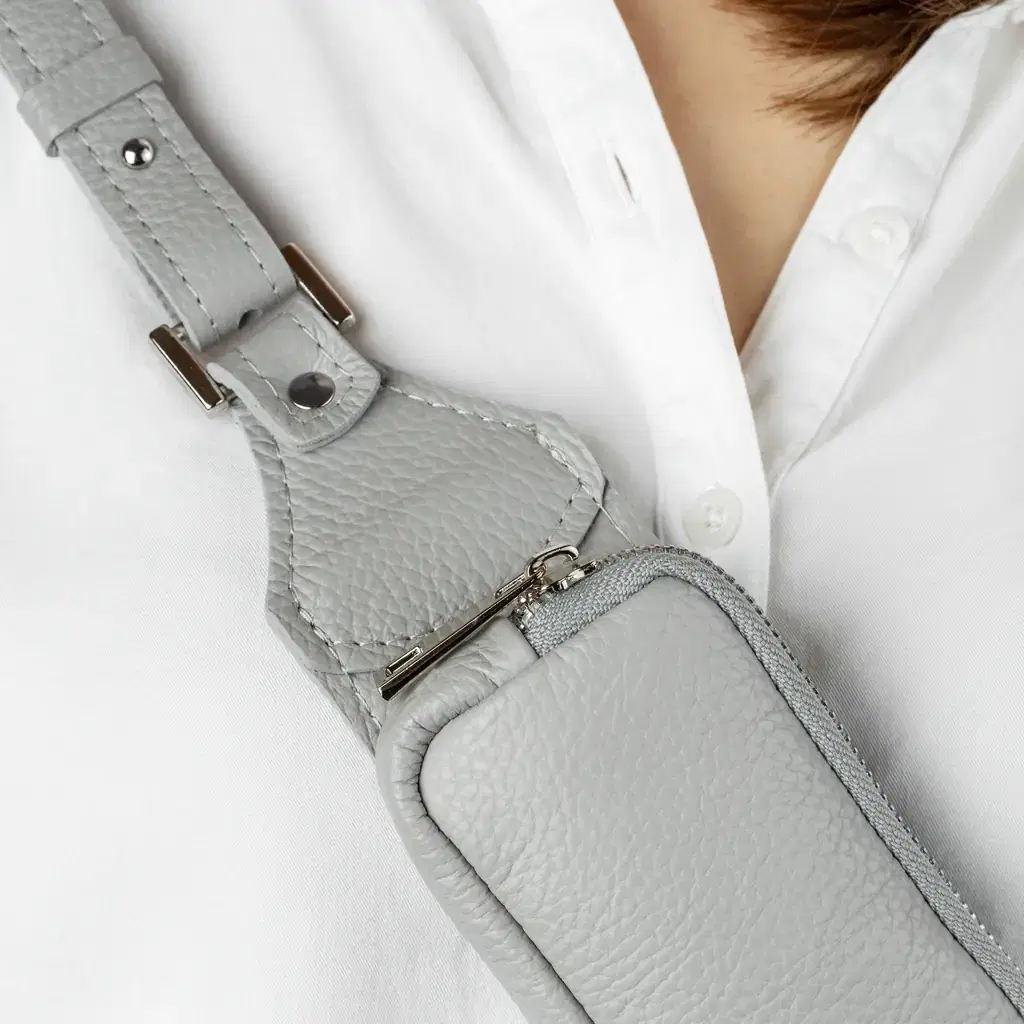
Before leaving the cabin, remove the items that do not belong to that outing. A heavy towel and spare swimwear are dead weight if you are visiting a museum and having lunch.
Keep water, the documents the ship tells you to carry, a payment method, your phone and the specific essentials you need. Distribute the load sensibly if traveling with someone else.
The lighter bag changes how the afternoon feels. You are more likely to enjoy another street or stop when every step is not accompanied by a strap digging into your shoulder. Pack for the day you chose, not every day the port could offer.
20. Forgetting to save travel details offline
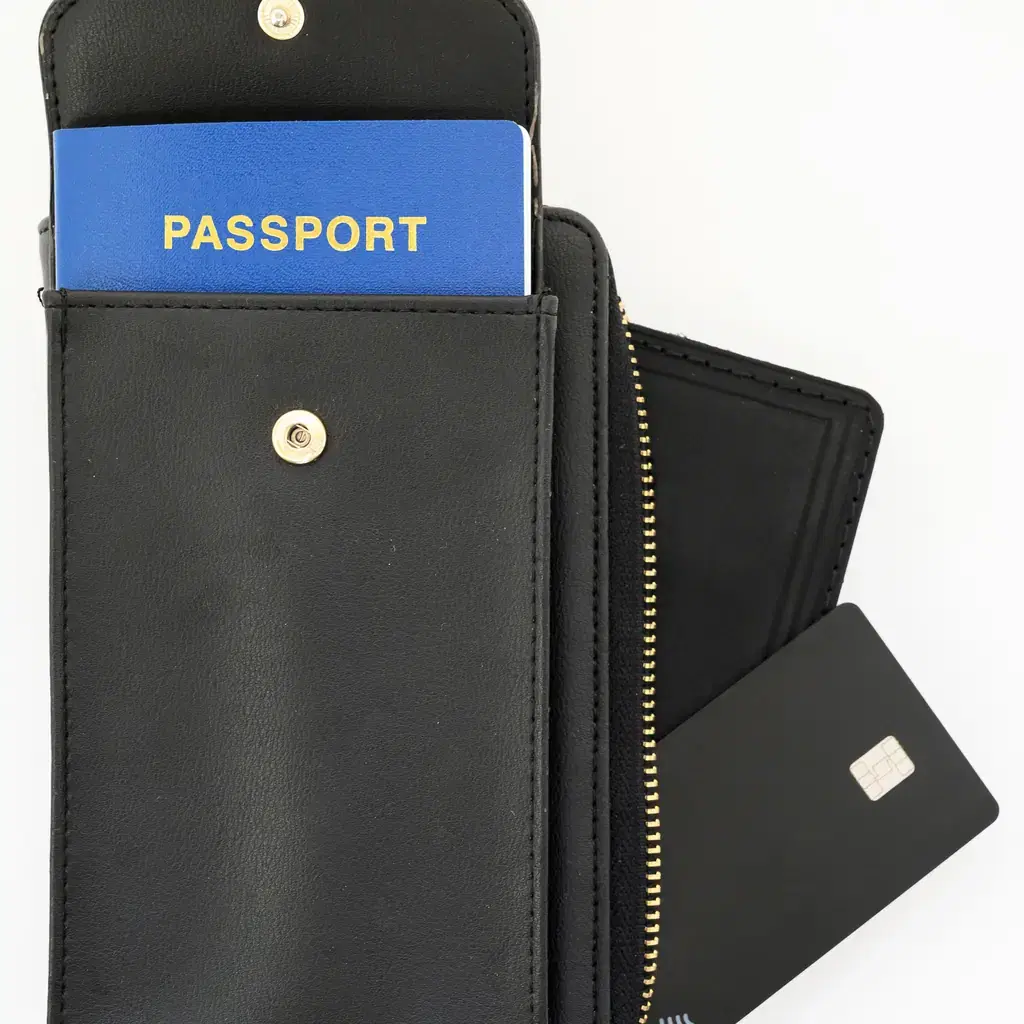
Download the excursion meeting instructions, the port address and relevant travel documents before you need them. Open the files once with your connection disabled to confirm they really are available offline.
Keep a paper backup of essential information where appropriate. Copies help with reference, but they do not replace original documents required for entry or boarding.
A cruise involves enough transitions between ship Wi-Fi, local networks and no connection at all. A paper copy is one of those easily overlooked packing items that can save trouble when your phone is offline.
21. Assuming ship Wi-Fi covers mobile roaming charges
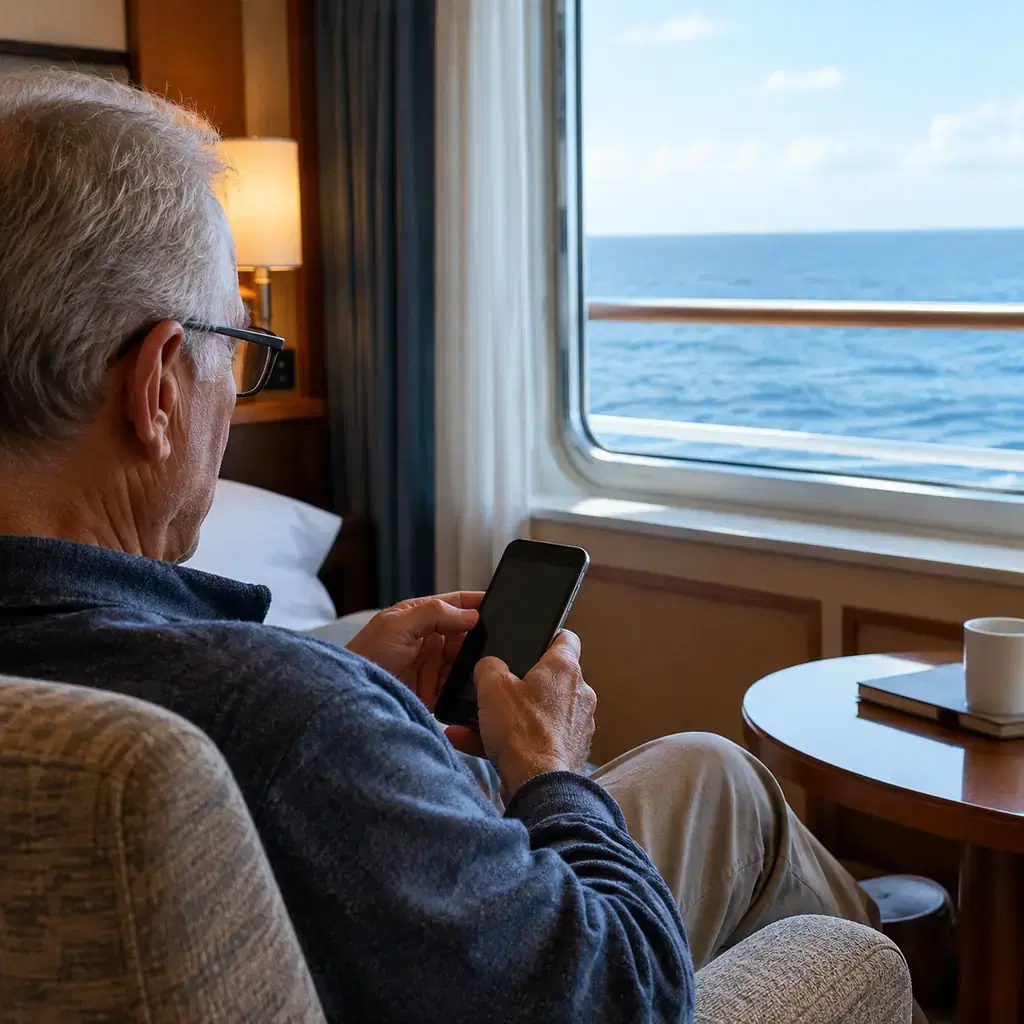
They are different services. Buying a Wi-Fi package does not tell you what your mobile carrier will charge if the phone connects to a maritime cellular network.
Ask your carrier about cruise coverage before leaving. If you intend to use Wi-Fi only, use airplane mode and enable Wi-Fi separately, following the ship’s instructions. Check the settings again if you change them ashore.
Royal Caribbean’s app can work on its guest network without an internet package, although that does not provide general web access. App guidance Decide what connection you need before paying for more than one route to it.
22. Waiting until departure day to report a cabin problem

A rattling fixture, a malfunctioning light or missing bedding is worth mentioning while staff still have time to help. Explain what is wrong and, if relevant, when it happens.
Ask for a practical remedy rather than saving a week of irritation for the departure survey. Some problems can be addressed without moving cabins; others may require more time or have limited solutions.
Be clear and courteous. The aim is to improve the trip you are currently taking. A detailed account afterward may help a future passenger, but it cannot give you back the nights when a small fix might have made a difference.
23. Paying for meals before trying the included restaurants
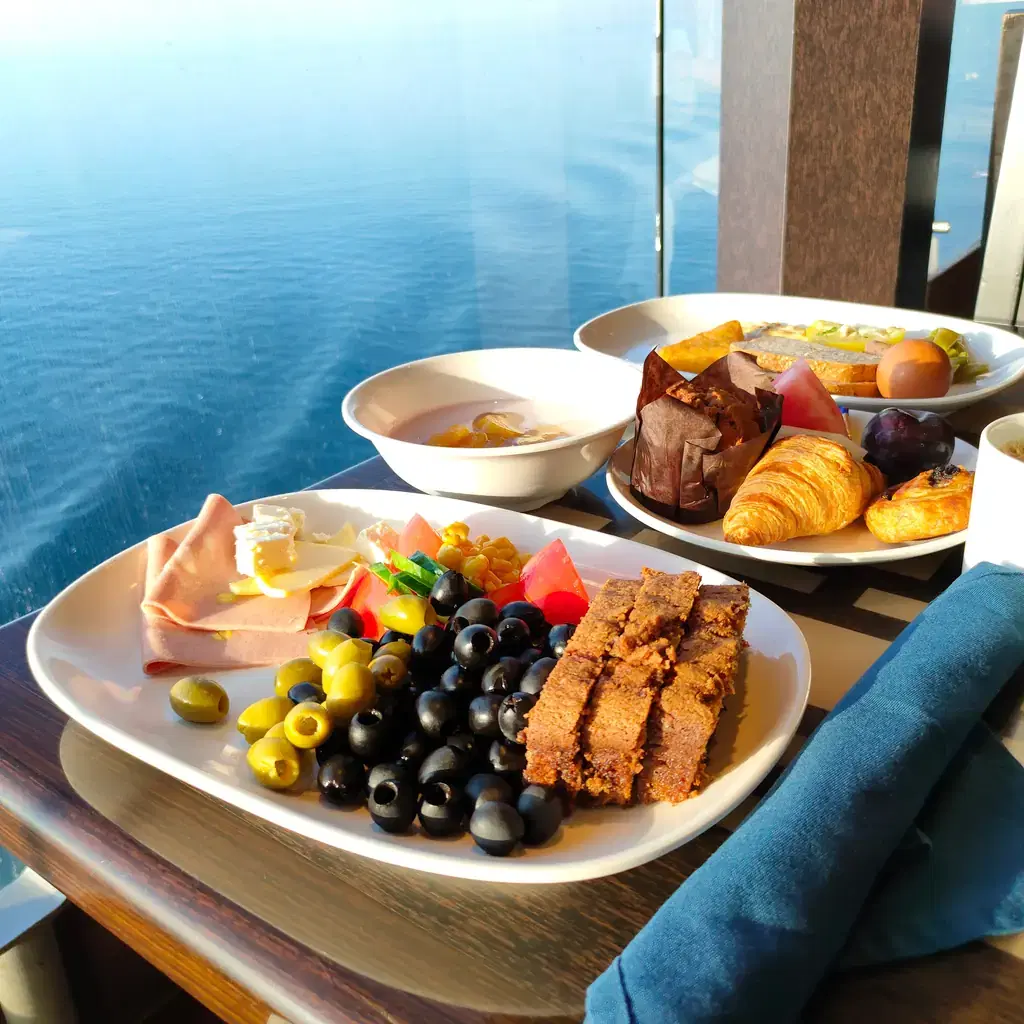
On some ships, a café with a separate identity is included, while the venue beside it costs extra. The name and décor do not reliably tell you which is which.
Browse the dining list early in the cruise and identify the included venues. Try one that suits you before deciding you need a package to eat well.
That is not a rule against specialty dining. It makes the purchase informed. Choose a paid extra because you want it, not because you missed an included option.
24. Leaving your morning clothes in the suitcase collected overnight
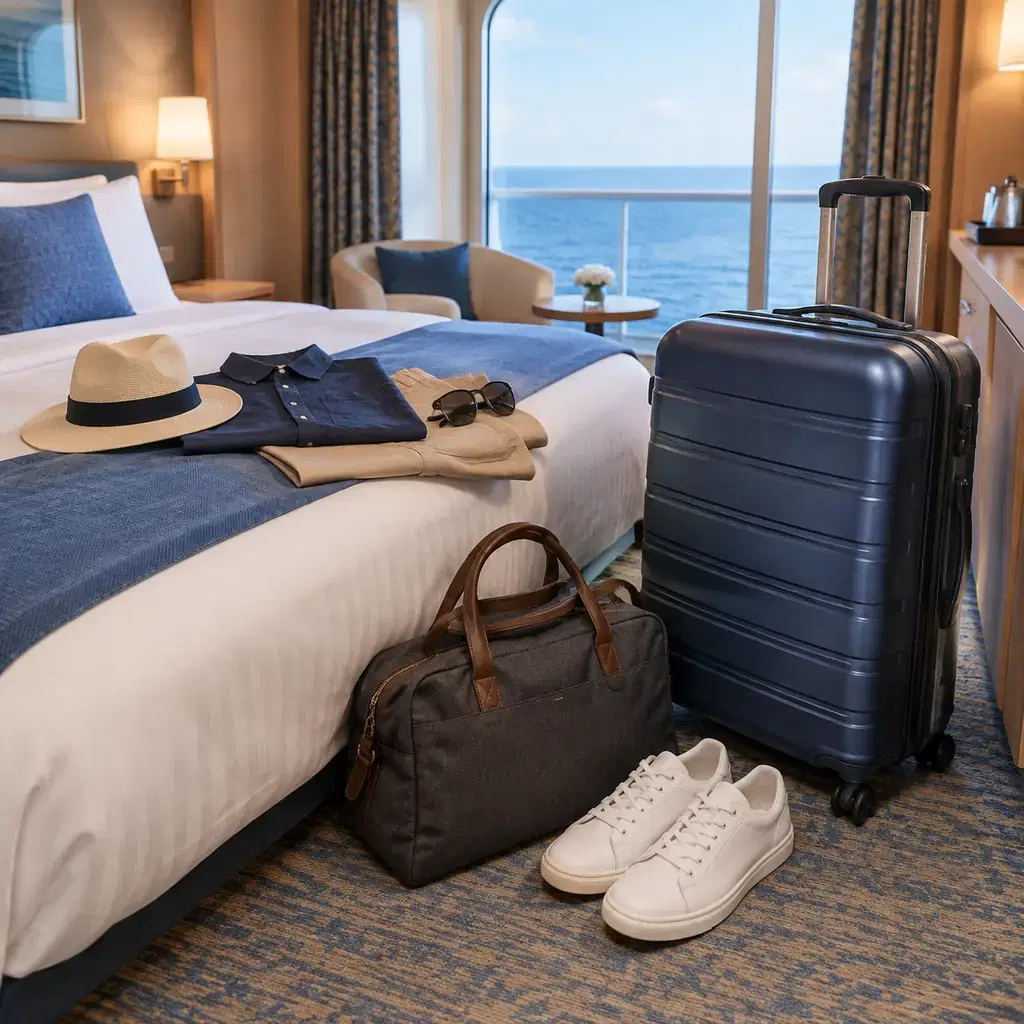
Before putting out a suitcase for assisted disembarkation, set aside a complete outfit for the morning. Include shoes and the small things that are easy to overlook when a cabin looks almost empty.
Royal Caribbean tells passengers to retain an overnight bag for nightclothes and toiletries because staff collect luggage the night before departure. Last-night packing instructions
Keep medication, valuables and travel documents with you as well. The next morning should begin with breakfast and getting dressed, not the realization that your trousers have already left the room without you.
25. Booking a flight home too soon after the ship docks

The ship’s scheduled arrival does not include the time needed to disembark, collect luggage, clear the terminal and reach the airport. The airport then has its own check-in and security requirements.
Use the cruise line’s flight-time guidance for the actual port, and consider how much flexibility you want if arrival or clearance runs late. A low fare is less attractive if it depends on everything happening at the earliest possible moment.
The last useful cruise skill is allowing the vacation to end at a human pace. A reasonable airport transfer and an unhurried goodbye are worth including in the plan from the start.
Image credits and licenses
- Item 6: MS Queen Anne Royal Court Theatre, a two deck theater with 825 velvet seats.jpg by Richard N Horne; CC BY 4.0. Cropped to square and converted to WebP.
- Item 16: Palm Beach Aruba.jpg by Kwihi; CC BY 4.0. Cropped to square and converted to WebP.
- Item 18: Man in sneakers at beach (Unsplash).jpg by Trent Yarnell tyarnell; CC0. Cropped to square and converted to WebP.


.jpg)