

A cheaper cruise is not much of a bargain if you miss the parts you wanted. Spend on the experiences that change your vacation, and stop paying for extras that merely sound useful when you book.
1. Calculate the drinks package cost for the whole cruise
Suppose a package costs $90 per person per day. Over seven days, that is $630 before any extra charges excluded from this hypothetical example. For two people buying it, the starting total becomes $1,260.
Now price a realistic day of purchases instead. As another illustration, two $14 drinks and two $5 coffees total $38 before applicable charges. Do that on seven days and the base amount is $266 per person, not $630. These are example prices, not a current quote or recommended drinking target.
Use your sailing’s checkout total and menus for the real comparison. Include only things you would willingly buy. A package can offer convenience, but the difference should be a conscious purchase of that convenience.
2. Check whether other adults in your cabin must buy the drinks package

A package that suits one person can be poor value for the cabin. Royal Caribbean’s published policy says guests buying an alcoholic beverage package must also purchase it for the other guests of legal drinking age in that stateroom. Official package terms
That makes both passengers’ habits relevant. One person’s enthusiastic cocktail plan cannot establish whether the combined purchase is worthwhile.
Use the total required cost, then compare it with what everyone would otherwise order. Different cruise lines have different terms, so do not transfer this rule to another operator without checking. The important number is the bill your booking actually produces.
3. Check which drinks are already included in your fare

Before buying a beverage package, find out which drinks already come with your fare and where they are served. Royal Caribbean identifies included options such as tap water, regular coffee, tea and certain juices in its inclusions guide.
If you are happy with regular coffee at breakfast, do not count a paid specialty coffee as a daily saving. If a particular espresso is part of your ideal morning, include its actual price.
That small distinction keeps the comparison honest. The package should pay for preferences you already have, not persuade you to invent more expensive habits to justify buying it.
4. Consider your time ashore before buying a daily package

A package charged by the day does not become cheaper because you spend lunch and the afternoon ashore. Mark the long port days before comparing onboard purchases.
Picture one of those days in order: breakfast, excursion, lunch in town, return to the ship and dinner. There may be fewer opportunities to use the package than a sea-day photograph suggests.
This applies to spa and dining access as well as drinks. A package can still suit you, but a calendar often reveals more than a list of included products. You are buying the chance to use them within the trip you booked.
5. Book one special dinner before committing to a dining package

Choose the restaurant and occasion first. One memorable dinner can be a better purchase than a larger package that fills evenings you would otherwise enjoy in included venues.
Look at the full menu and the package’s current conditions. Some dishes or experiences may involve supplements, and reservation availability still matters.
If the restaurants are a major attraction for you, several meals may be worthwhile. If you mostly want an anniversary dinner, solve that smaller problem. You do not need to upgrade every evening to make one evening feel different, and the money left over can fund something else you will remember.
6. Check whether specialty lunch costs less than dinner
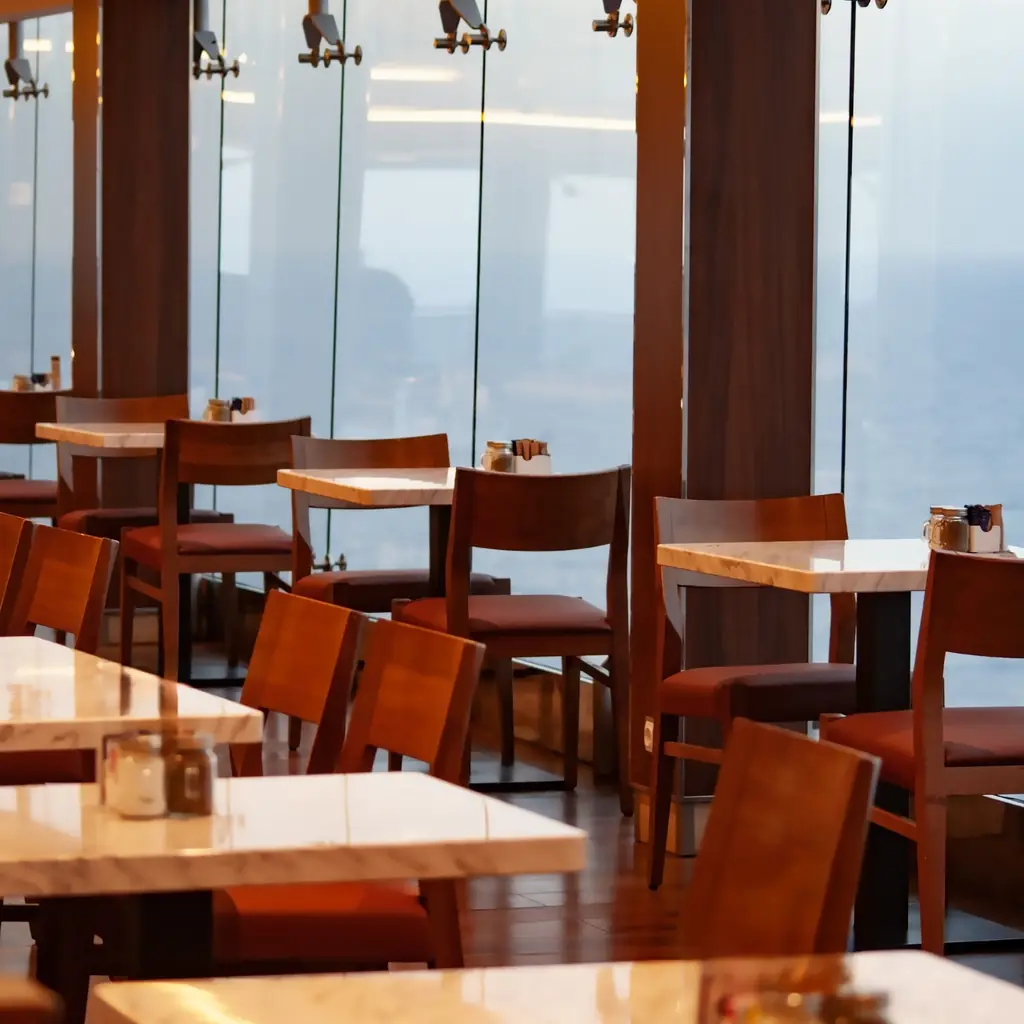
If a specialty restaurant offers lunch, compare its actual menu and price with dinner. A lower-priced lunch can deliver the setting and cooking you wanted without using your evening’s budget.
Do not assume lunch is offered on every day or that the menu is identical. Check the current sailing’s dining planner and choose a time when you will be aboard.
This works best when the restaurant itself is the attraction. If your goal is a particular dinner dish or a long celebratory evening, lunch may not replace it. A useful saving preserves the thing you wanted, rather than purchasing a cheaper but different experience.
7. Choose cabin upgrades you’ll actually use
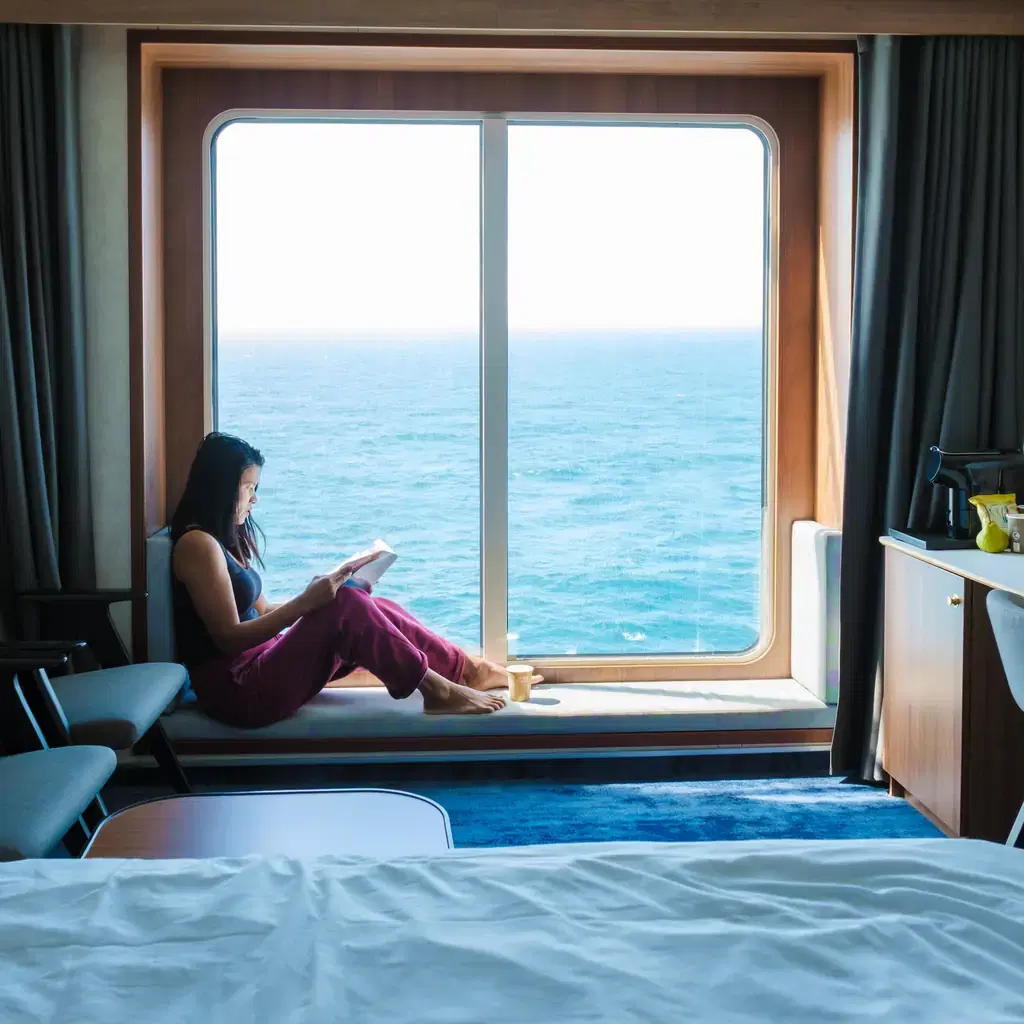
A balcony, more space or a better location can improve the trip every day. The improvement depends on how you travel.
If you enjoy a quiet hour outside your room, private outdoor space may matter. If you spend nearly every waking hour ashore or elsewhere on the ship, a location that reduces walking may be more valuable than extra square footage.
Inspect nearby decks and the exact cabin layout before paying. Before paying for an upgrade, ask what you will actually do differently because you have it.
8. Work out what a balcony costs per night
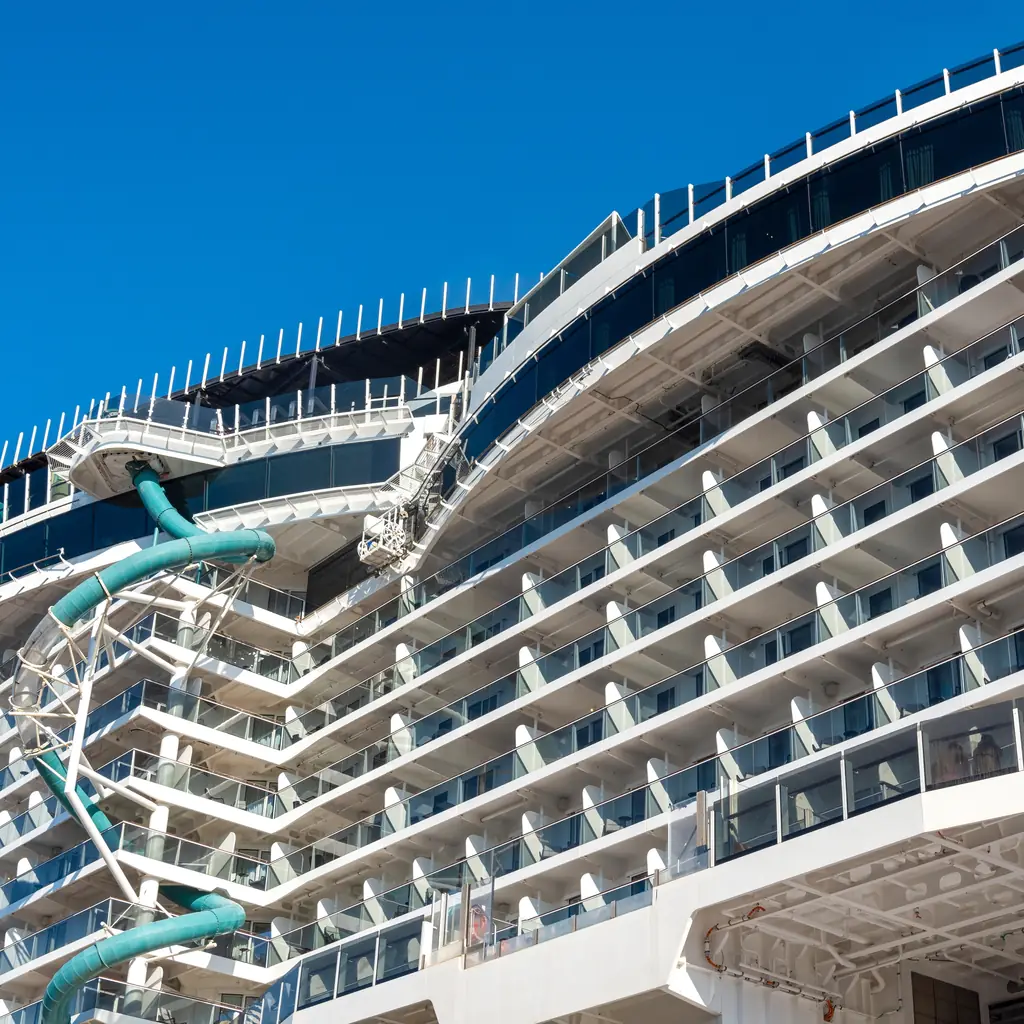
Here is a simple example: a $700 cabin upgrade over seven nights costs the cabin $100 per night. That may sound worthwhile for a couple who will use the balcony for morning coffee, scenic sailing and a quiet evening.
For passengers planning dawn-to-dusk excursions, the same $700 might deliver fewer useful hours. The example is illustrative; compare the actual total difference for your booking, including any changed benefits.
Neither couple is wrong. Write down when you expect to sit there. That turns a desirable photograph into a purchase connected to your real vacation, and makes the alternative uses of the money easier to judge.
9. Compare the full cost of each shore excursion

A tour price that includes transport, entry and a guide should not be compared with an attraction’s entrance ticket alone. Add the journey from the ship, the return and any other necessary charges.
Then compare the experience. A guided visit might explain things you would otherwise walk past; an independent outing might leave more time at your favorite stop.
Avoid a common shore-excursion mistake: comparing ticket prices without adding the cost of getting there and back. The cheapest line on the booking screen does not necessarily produce the cheapest complete day, and the cheapest complete day is not always the one you most want.
10. Check whether transfers charge per person or per vehicle

A taxi quote and a tour quote can look similar until you notice their units. One may cover the vehicle; the other may be for each passenger.
For an illustrative group of four, an $80 round-trip vehicle fare is $20 each. Four $35 transfers would total $140. Those figures are examples, not destination quotes, and vehicle capacity, luggage and waiting time can change the real price.
Get the full return arrangement and price clearly before setting off. Group transport becomes useful value when everyone knows what is included, where to meet and how they will get back to the ship.
11. Compare attraction tickets with the cost of a tour

If you can easily reach the place yourself, its official booking site can show exactly what the entry ticket includes. Compare that with the complete excursion offer.
Timed admission deserves special care. Allow enough time to leave the ship and reach the entrance, then read the change or cancellation conditions. An inexpensive nonrefundable ticket can become an expensive missed appointment.
The independent option is strongest when transport is straightforward and you want freedom inside the attraction. Keep the cruise line’s tour in the comparison if it provides a guide, access or logistics you would otherwise need to arrange separately.
12. Check what extra support a ship-booked excursion includes
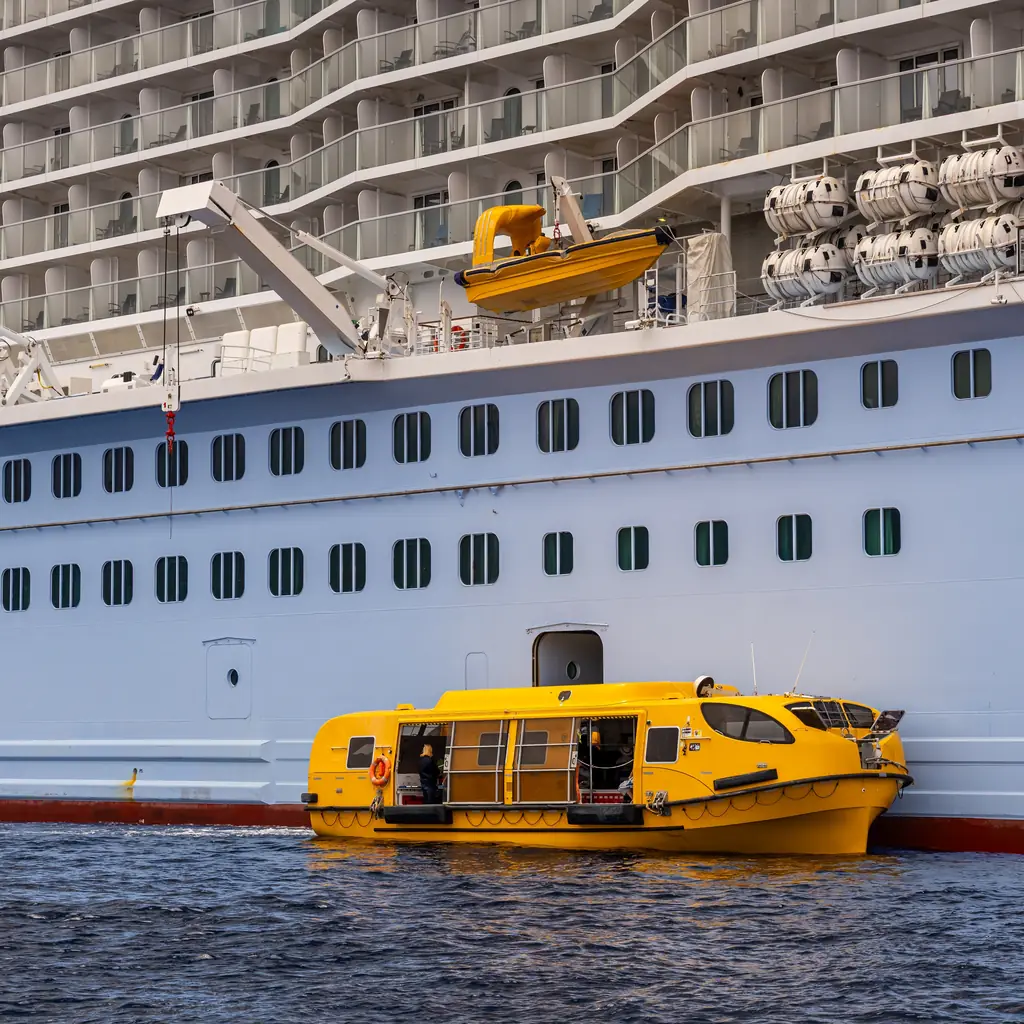
Cruise-line excursions can cost more than arranging a similar outing yourself. Part of the comparison is who handles the problem if the return is significantly delayed.
Royal Caribbean’s excursion terms say it will make arrangements for guests on its delayed tour to return to the ship at the earliest opportunity without expense to them. That is more specific than saying a ship must wait indefinitely. Excursion terms
For a distant or complicated outing, that support can have value. For a simple walk near the port, you may need less help. When comparing Caribbean excursions, weigh that support alongside the route, transport and admission included.
13. Consider public transport when the route is simple

For Rome from Civitavecchia, Port Mobility describes a five-zone BIRG ticket at €12 that covers the regional train journey and eligible public transport in Rome for the day. That published price was checked September 21, 2026; verify the current fare, service and validity before traveling. Port Mobility ticket guidance
The ticket does not eliminate the journey between cruise pier and station, or the time needed for connections. Port Mobility directs travelers to Trenitalia for live schedules.
A train day can be enjoyable in its own right. Choose it because the route and return margin work, rather than treating every bus excursion as an avoidable expense.
14. Plan a low-cost day exploring a port town
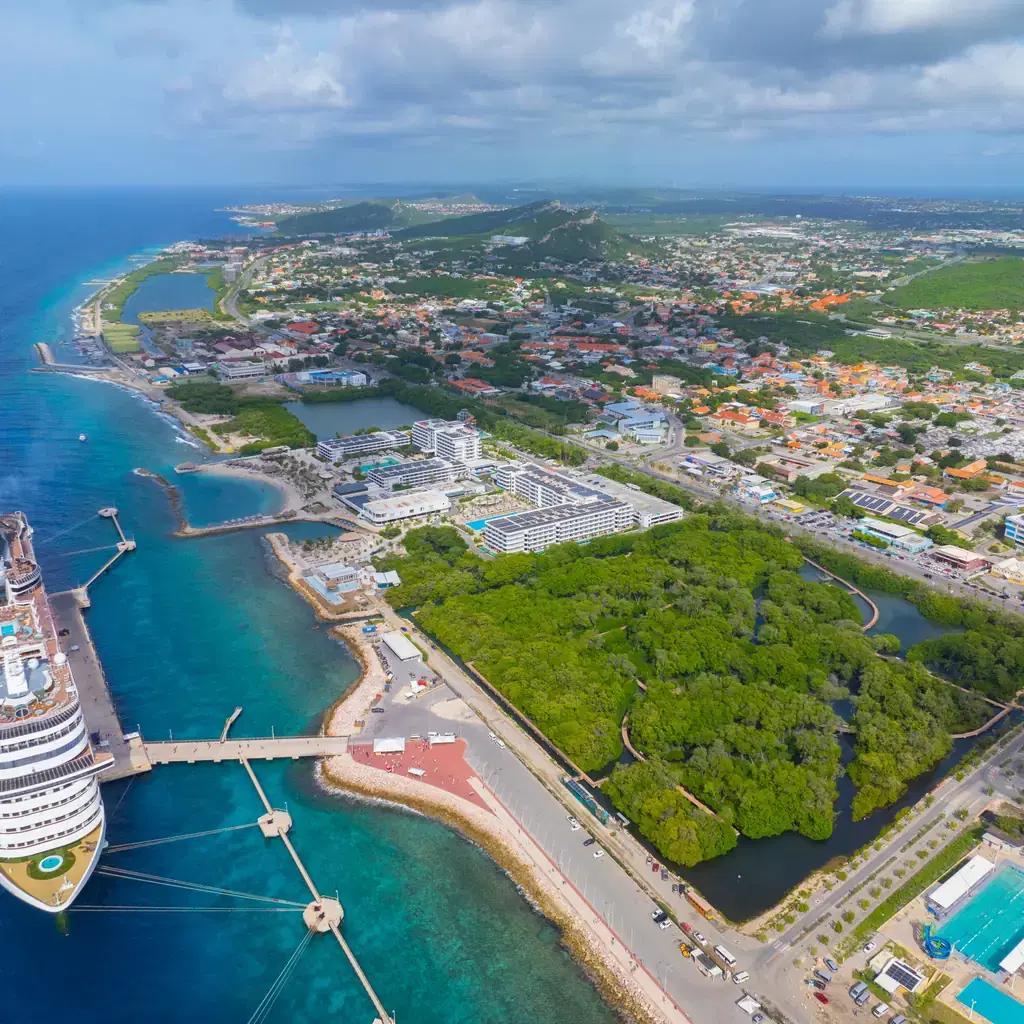
Choose a port where the area you want to explore is accessible without a long transfer. Build the day around a walking route, a worthwhile local stop and a lunch you actually want.
That is a complete outing, not a placeholder until you can afford an excursion. It can also leave room in the budget for a more expensive experience at another port.
Check what is within reach of your Caribbean cruise port before settling on a walking day. The inexpensive choice works when the place offers enough near the ship to make wandering satisfying.
15. Add up transport, food and rentals before booking a beach club
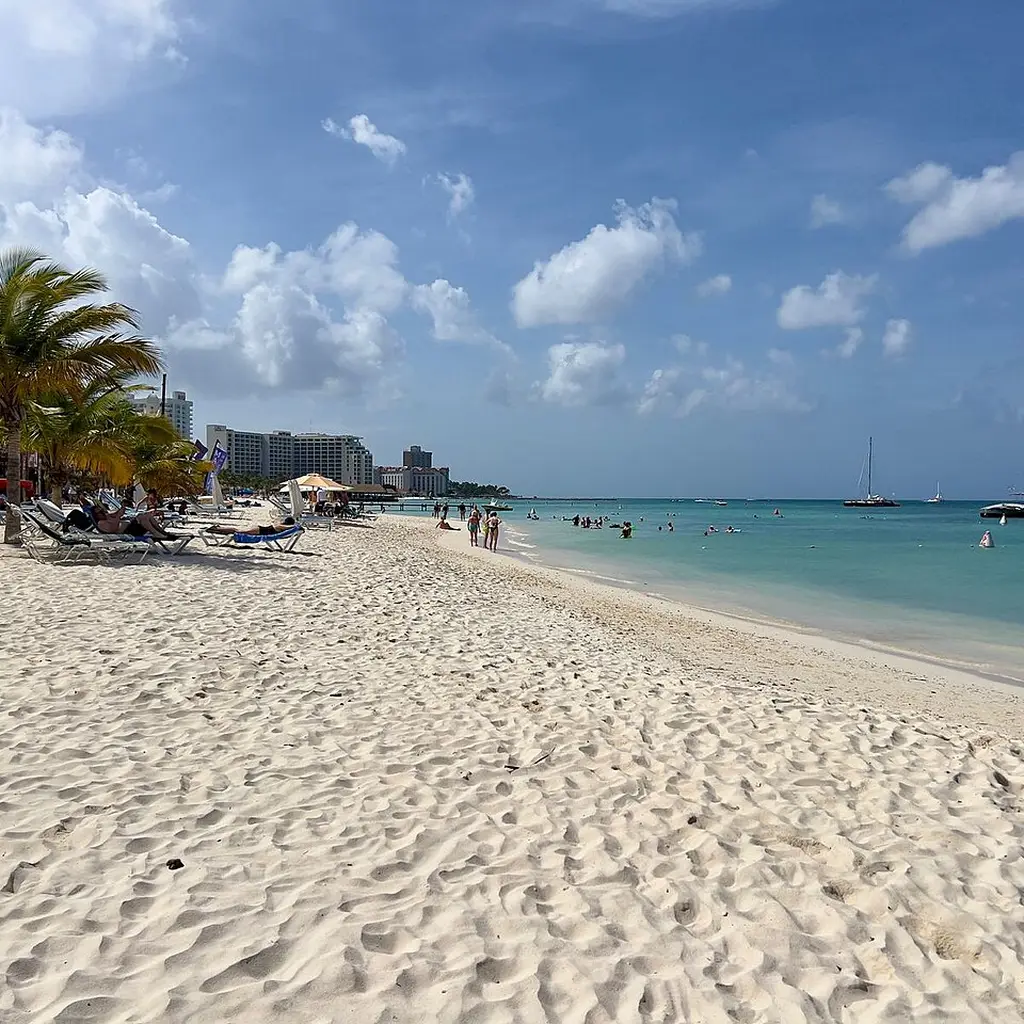
A beach-club offer may include transport, chairs, food or drinks. A public beach might have a lower entrance cost but require several separate purchases.
Write down only the extras you would use. Someone who wants a swim and a towel-sized patch of sand has different needs from a group wanting shade, toilets and lunch in one place.
Check how the return journey works and what happens in poor weather. The better-value option is the one that supplies your day at a clear total price. Paying for an all-inclusive afternoon makes less sense if you plan to leave after an hour.
16. Choose Wi-Fi for the number of devices you’ll use at once

A couple who checks email at different times may need a different package from two people working online together. Read the active-device limit and the provider’s rules for switching devices.
Do not assume that carrying a phone and a tablet automatically means buying two simultaneous connections. Equally, do not buy a smaller package if using it would require constant negotiation between passengers.
Don’t buy a bigger cruise add-on package simply because it offers more. Price the connection arrangement that lets you enjoy the trip, then compare alternatives on the same basis.
17. Check mobile roaming charges separately from ship Wi-Fi

Ship Wi-Fi and your phone carrier’s maritime service are separate. An internet package does not automatically stop the phone from making a chargeable cellular connection.
Ask your carrier what your plan covers at sea. If you want Wi-Fi only, use airplane mode and turn Wi-Fi back on separately, following onboard instructions. Recheck after any changes made ashore. Royal Caribbean discusses keeping phones in airplane mode in its onboard phone guide.
This is a prevention step, not a reason to stop using your phone. The goal is to pay for the service you chose rather than accidentally using another one alongside it.
18. Decide whether you need a photo package or just one picture

One good family portrait may be worth more to you than a large collection of almost identical poses. Before buying a photo bundle, consider what you will print, display or share.
Read whether the price covers digital files, prints or both, and whether every image taken during the trip is eligible. A quantity becomes useful only if it contains photographs you want.
If the package terms let you choose after seeing the results, use that opportunity. If a prepaid offer is nonrefundable, treat the commitment as part of its cost. A discount does not make unwanted photographs more meaningful.
19. Calculate a spa pass’s cost per visit
Suppose a week-long pass costs $140. If you use it on seven days, that is $20 per visit; if excursions and other plans leave time for two visits, it becomes $70 per visit. These are hypothetical figures, not a quoted spa offer.
Now compare that with any shorter access option available on the sailing. Check the opening hours and what facilities the pass actually includes.
The calculation does not measure relaxation perfectly. It does show when the expected bargain depends on a routine you probably will not keep. Buy the amount of spa time that fits your week.
20. Check your included perks before buying another package

Read the benefits attached to your cabin, fare and loyalty status before buying internet, priority access or a dining offer. If an inclusion already covers your need, an overlapping purchase may add little.
Royal Caribbean’s Key package, for example, includes a one-device internet benefit along with other features. Its details vary by ship and destination. Published Key benefits
Compare the extra cost with the extra benefit, not the full list. Try the activities already included in your fare before paying for more.
21. Compare the total trip cost before choosing a cruise

Imagine two passengers paying the same base fare. In this illustrative example, one adds a $630 drinks package, $180 dining bundle and $140 spa pass, totaling $950. The other buys $266 of drinks, one $60 dinner and an $80 experience ashore, totaling $406.
The difference is $544 before any other charges. That does not prove the second passenger had a better vacation. It shows where the first passenger needs to find $544 of additional enjoyment or convenience.
Use actual checkout totals for your own choices, including applicable service charges and taxes. Then keep the purchases that make the trip meaningfully better. The aim is to come home pleased with what you did, not merely impressed by how many discounts you collected.
Image credits and licenses
- Item 13: Civitavecchia railway station in 2021.01.jpg by CAPTAIN RAJU; CC BY-SA 4.0. Cropped to square and converted to WebP.
- Item 15: Palm Beach Aruba.jpg by Kwihi; CC BY 4.0. Cropped to square and converted to WebP.

