
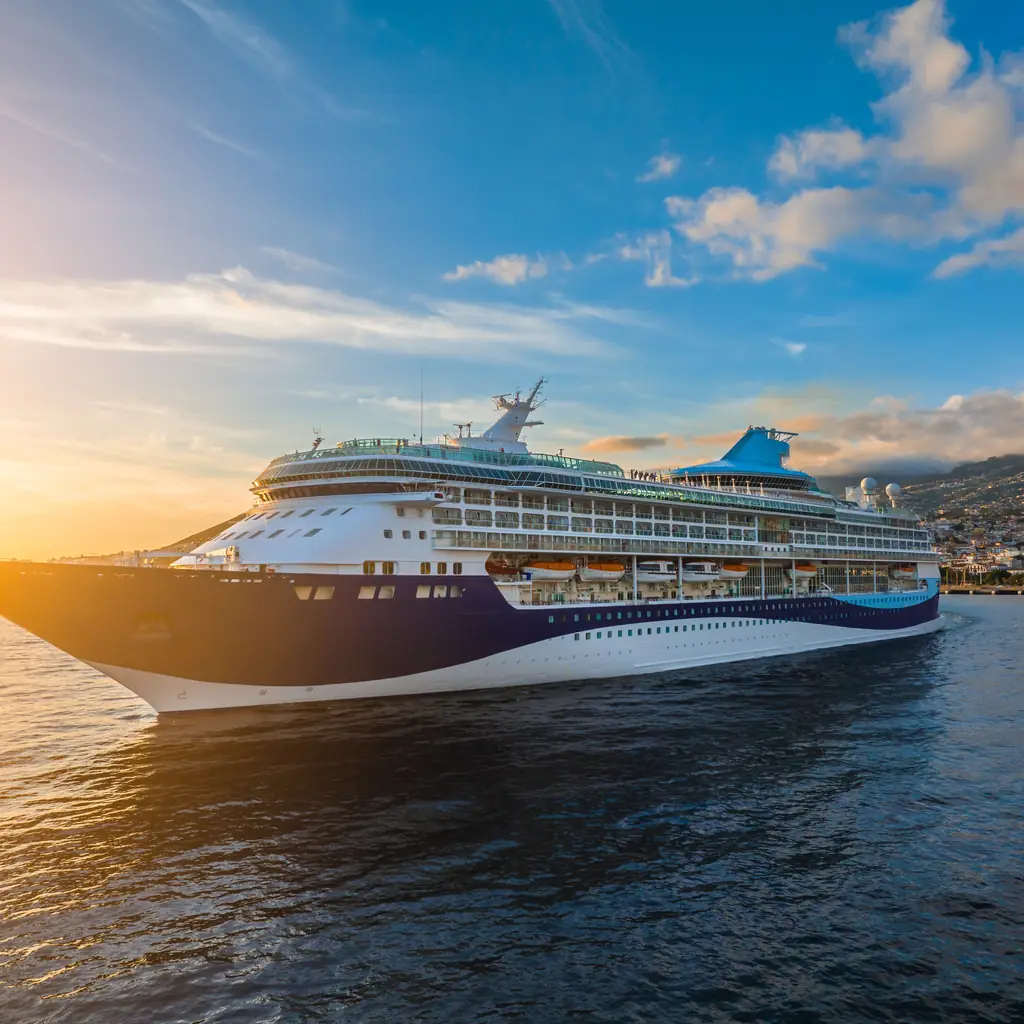
Your first cruise can feel like arriving at a resort while everyone else already knows the shortcuts. A few small choices will help you settle in, find the good included options and enjoy the ship you paid to sail on.
1. Look beyond the buffet for lunch

On Oasis of the Seas, Park Café gives you another included lunch option besides the main buffet. Its roast-beef sandwich, soups and salads offer a different first meal from circling a buffet with your hand luggage. The venue is part of the ship’s Central Park neighborhood. Royal Caribbean’s dining guide
That does not mean Park Café is always quieter or open at every embarkation lunch. Look at that day’s hours in the app before walking there.
The larger trick works on other ships: find one included alternative before boarding. Your first meal becomes a choice instead of following the largest crowd.
2. Keep your first-afternoon essentials in your carry-on

Put your swimsuit, a light change of clothes, sunscreen, glasses and essential medication in the bag that stays with you. Keep your boarding documents there, too. The suitcase you hand to a porter may not reach your cabin when you do.
Royal Caribbean specifically recommends a small carry-on with a change of clothes and a bathing suit. It also warns that cabins may not be available immediately, so a giant rolling bag becomes something you have to shepherd around lunch. The line’s luggage guidance
The useful test is simple: could you eat, sit comfortably outside and change for a swim without opening your main suitcase? If yes, your vacation can start before the luggage arrives.
3. Find your way to the places you’ll use most
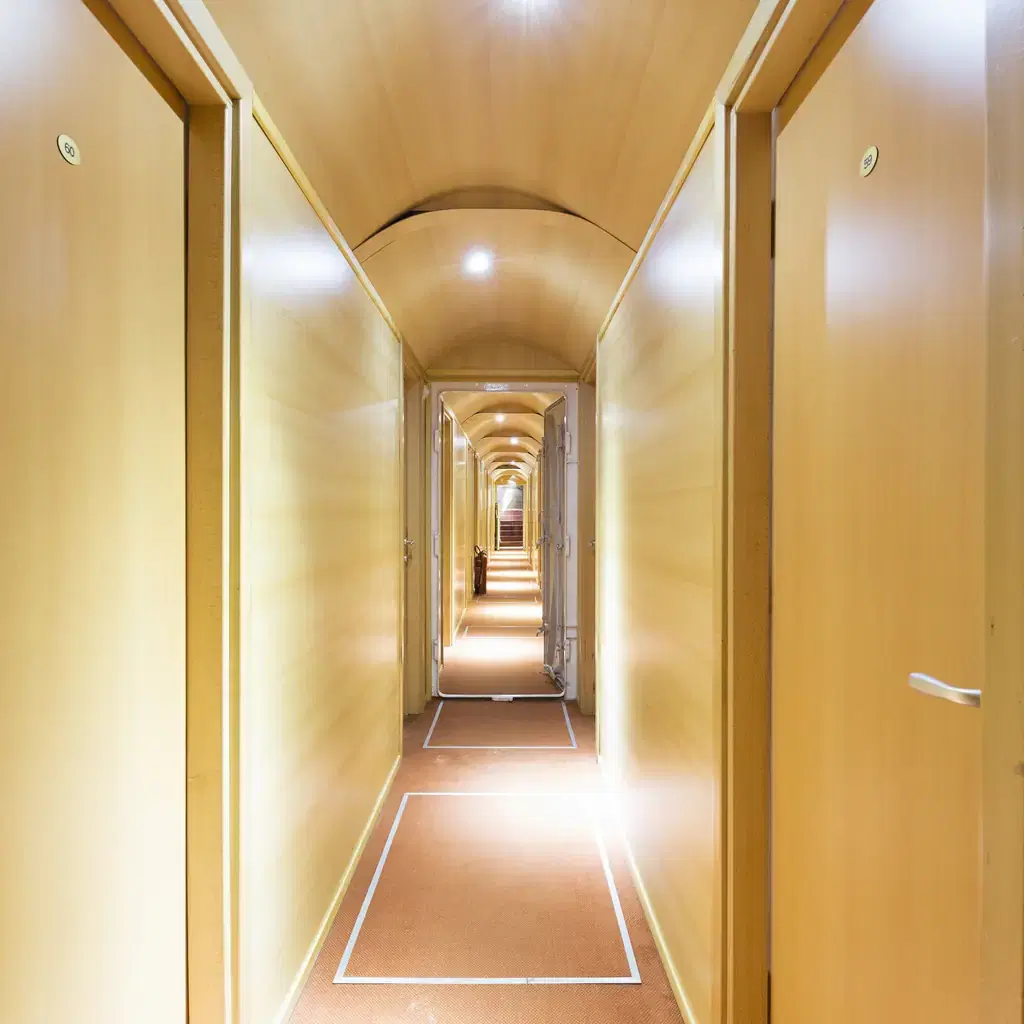
Find the route from your cabin to dinner, the theater, an outdoor deck and a comfortable indoor seat. Notice which elevator bank serves each place. Those four connections will save more aimless walking than trying to memorize every venue before sailaway.
A deck may not run uninterrupted from bow to stern. If you meet a closed passage, use the deck plan rather than assuming the next corridor must lead through.
Take a photo of a nearby deck map. Then stop exploring while it is still enjoyable. There will be plenty of time to find the basketball court tomorrow.
4. Unpack and store your suitcase out of the way
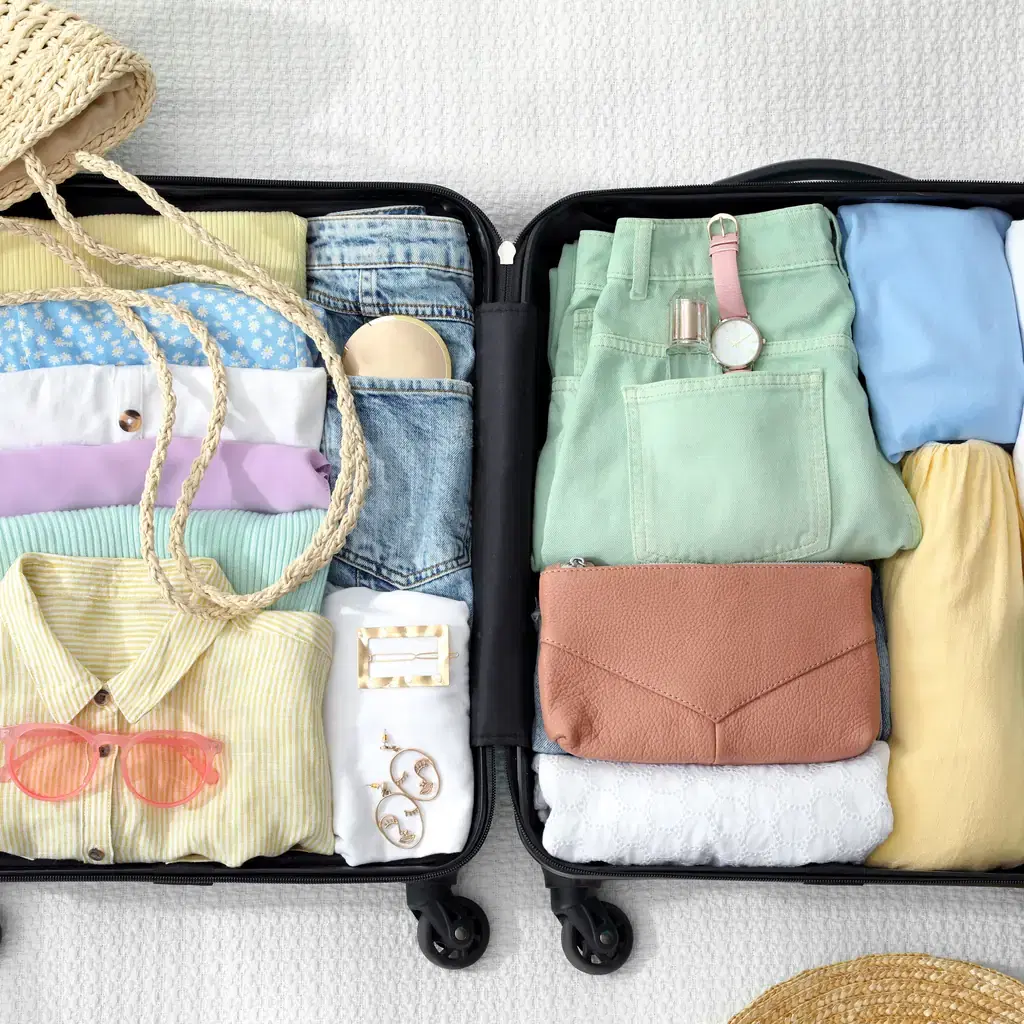
Unpack shoes and clothes you will use repeatedly, then see whether your empty suitcase fits under the bed. Keep the path between the bed and bathroom clear, especially if someone gets up during the night.
A cabin loses usable space surprisingly quickly when an open suitcase, two pairs of sandals and a beach bag all live on the floor. Giving each object a place often helps more than bringing another organizer.
Leave one small tray or pouch for your room card and glasses. You want to spend your morning deciding where to have breakfast, not searching last night’s trousers for the key.
5. Choose your spot for sailaway before the ship leaves
The busiest pool deck is not the only place to watch a ship leave port. An open promenade can put the shoreline closer to eye level; a high forward-facing space can reveal the harbor ahead. Available areas differ by ship and can close in poor conditions.
Look for a spot while it is easy to move around, then return before departure. Take your camera and a layer, and keep doors and passageways clear.
Stay for a few minutes after the first photographs. Watching a familiar building shrink into the waterfront often feels more like the beginning of a voyage than the party music does.
6. Reserve your must-see show early
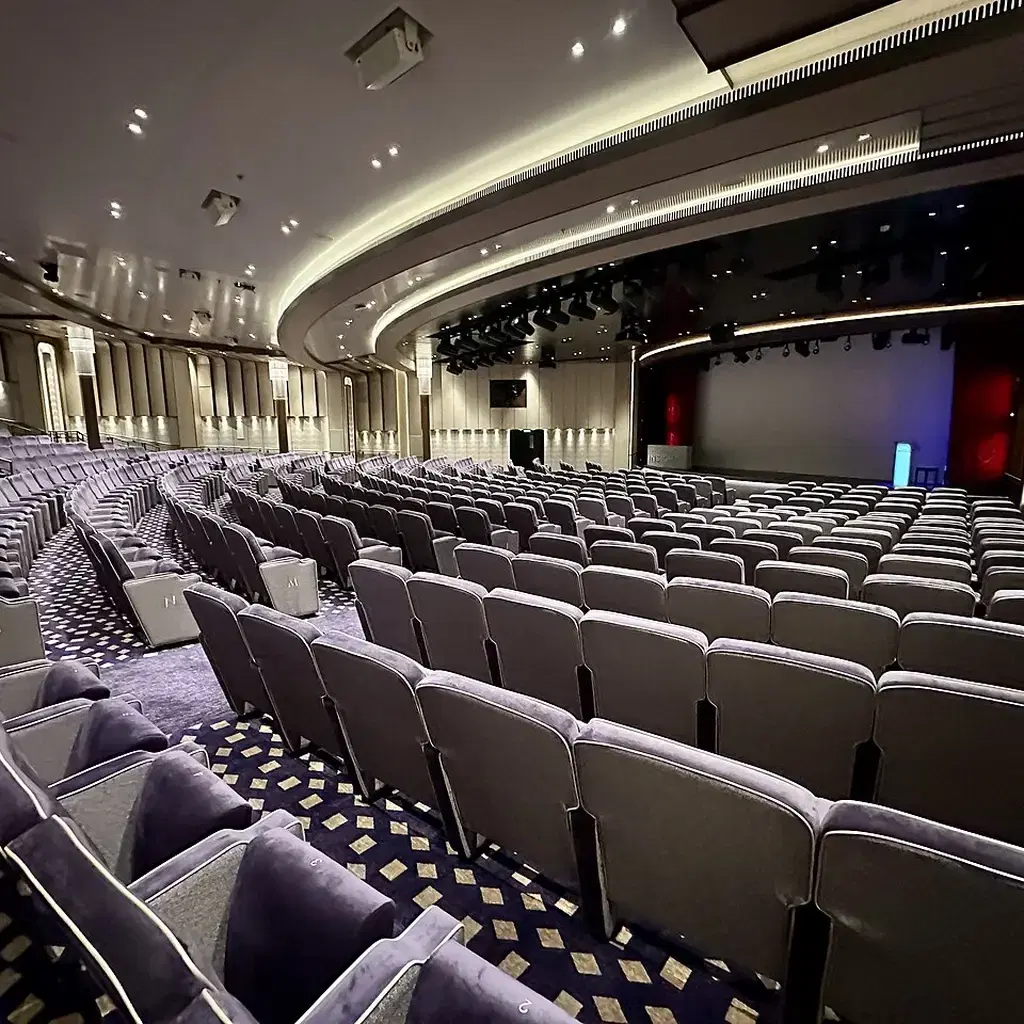
If your ship uses reservations for its headline shows, choose the one you most want to see and build dinner around it. The reservation process and release dates depend on the sailing; the ship’s app is the place to follow its actual schedule.
Leave another evening loose. A piano player, a walk after dinner or a quiet conversation can be the better choice once you know how the day feels.
A schedule full of reservations can turn a floating vacation into a series of appointments. Protect one likely highlight. Give the rest of the week room to surprise you.
7. Try the dining room instead of the breakfast buffet

One morning, swap the buffet for the main dining room if breakfast is being served there. Sitting down to order changes the pace: no balancing a juice glass beside a plate while looking for a table.
On another day, a quick café breakfast may be exactly right before going ashore. Neither is the correct choice for the whole week.
The point is to discover the included options early enough to use them. Look for included activities you might otherwise miss before paying for extras.
8. Find a quiet, shaded place to sit
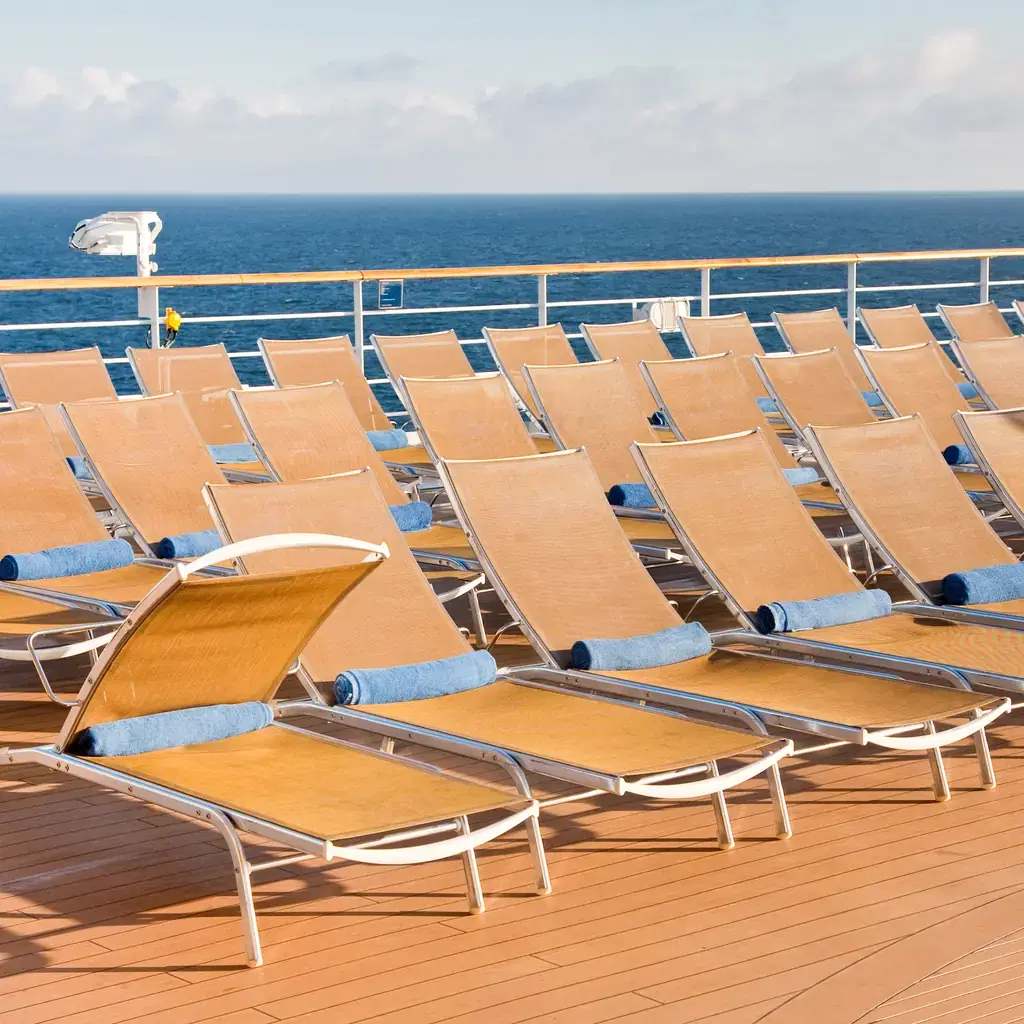
A dramatic sun deck is not always a comfortable place to read. Look for shade, shelter from the wind and a chair that lets you sit for longer than five minutes.
Try a couple of locations while the ship is moving. The breeze can feel very different from how it felt alongside the pier. A covered promenade or a lounge window may become your favorite place on board.
Remember where it is. Having one dependable retreat makes a busy ship feel more personal, especially when your traveling companion wants an activity you would happily skip.
9. Enjoy a sea day without paying for extras
Here is an example to adapt on Oasis of the Seas: start with an included breakfast, take a walk through Central Park, have lunch at Park Café and spend part of the afternoon by the pool. Finish with the main dining room and an included show listed in that sailing’s schedule. Royal Caribbean identifies these dining venues and a range of included activities in its Oasis-class guide.
The point is not to follow that exact timetable. It is to see how complete a day can be before adding a restaurant package or paid attraction.
If you want an upgrade afterward, you will know what extra experience you are buying. That is a more useful starting point than assuming the basic fare leaves you with nothing to do.
10. Have a backup plan for bad weather

Choose the pool, sports court or outside walk you would enjoy, then pick a second option for rain or strong wind. That might be a lounge with sea views, a scheduled talk or an indoor performance.
The backup should be something you actually like. An afternoon spent somewhere pleasant beats repeatedly checking a closed attraction to see whether the sign has changed.
Ships move through different conditions, and outdoor programs can change. Consider the possibility of rough seas on your chosen route when making your plans. It is still the crew’s daily advice that tells you what is available on your particular voyage.
11. Check which onboard activities cost extra

A trivia game and a wine tasting may appear close together in the daily program, yet have very different prices. Read the description before assuming that a scheduled event comes with your fare.
Choose an included activity outside your usual habits. A short dance session or team quiz offers an easy way to try something without committing an entire afternoon.
If it turns out not to be your thing, leave politely when appropriate. You do not have to become the kind of person who plays every deck game to enjoy having them available.
12. Avoid the first rush for the boat to shore

At a tender port, a smaller boat carries passengers between ship and shore. Your first useful time ashore depends on boarding that boat and completing the transfer, not simply on when the itinerary says the ship arrives.
If you have no timed tour, a later departure can be more relaxing than joining the earliest rush. Follow the ship’s tender procedure and return arrangements.
If access is a concern, discuss your exact needs with the line before booking. Equipment and assistance differ by port. When cruising later in life, check the steps, walking distances and transfers rather than relying on an “easy” label.
13. Choose one main activity for each port

Choose one main reason to get off the ship: a museum, a swim, a historic district or a long lunch. Fit the rest around that.
Trying to include a beach, a distant viewpoint and a city walking tour can leave the day feeling like transport with occasional scenery. One excellent stop and time to wander often provide more to remember.
Set your return plan before setting off. Royal Caribbean tells independently exploring guests to verify the posted all-aboard time; the ship does not promise to wait for them. Official shore-excursion guidance
14. Leave time to enjoy the ship on port days

There is no rule that says you must spend every available minute ashore. A morning walk, lunch in town and a return to the ship can make a very satisfying day.
Coming back with energy left gives you time for the view from the deck, a shower without rushing and the evening’s entertainment. It also suits companions who enjoy different amounts of sightseeing.
Choose the portion of the destination you most want rather than collecting stops. Avoid packing too much into a shore excursion; leave enough time to enjoy the stop you came for.
15. Watch the ship arrive from an outdoor deck

When the ship approaches a scenic port in daylight, an outside viewpoint can make the approach part of the visit. Buildings, hills and harbor traffic fall into place before you reach the street.
Check the expected arrival and whether the relevant deck is open. Take a light layer and avoid leaning equipment over a rail.
You do not need to photograph every minute. Look at the route back out of the harbor, too. Later, familiar landmarks can help you make sense of what you saw from shore. A destination can begin before you step off the ship.
16. Allow enough time between dinner and the show
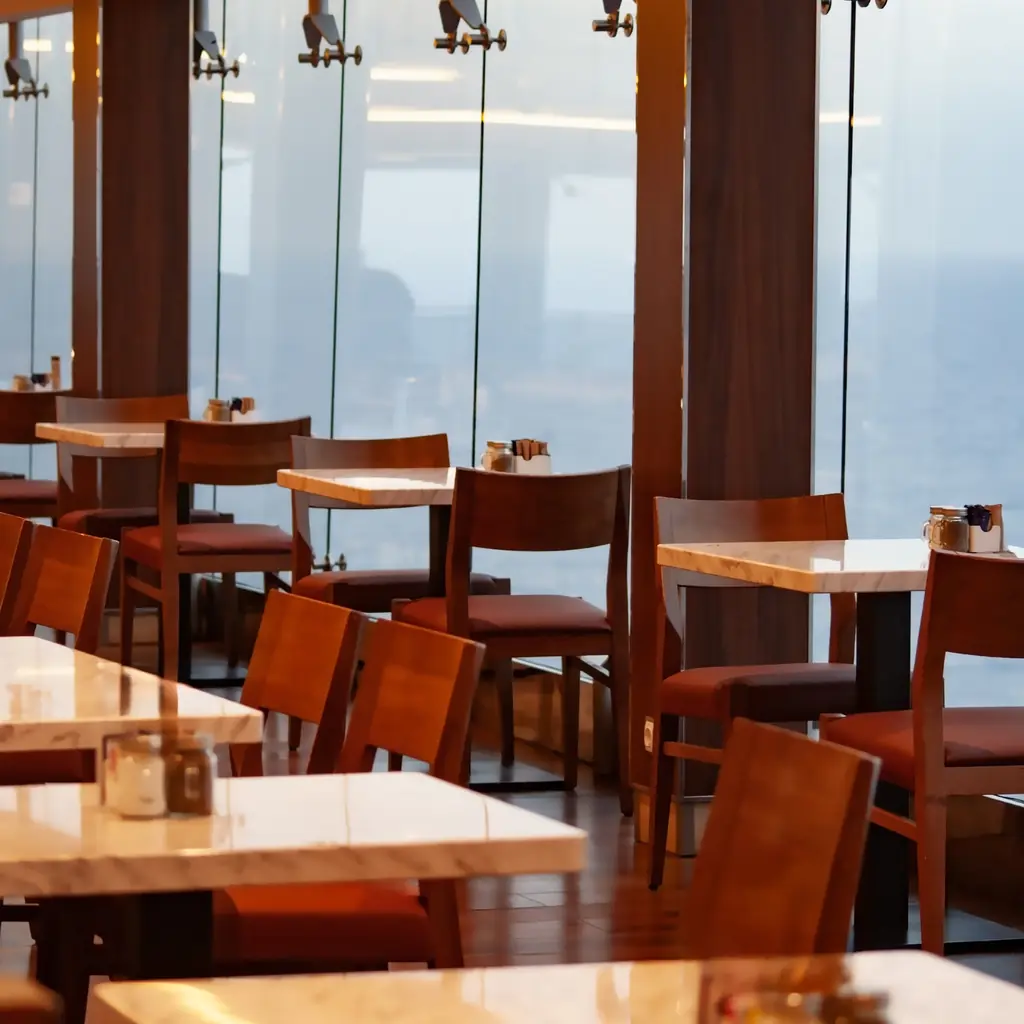
Dinner can take longer than you expect, especially when you are enjoying it. Booking the next event immediately afterward can turn dessert into something to swallow while watching the clock.
If seeing a particular performance matters, choose a meal time and venue that leave room to walk there and find your seat. On another evening, let dinner be the event.
Paid dining does not automatically improve the fit. Check whether a dining upgrade fits the evening you have planned. A relaxed included dinner may be better than a special meal squeezed between two other plans.
17. Report cabin problems early

If a lamp does not work, the cabin feels unusually warm or bedding is missing, describe the specific problem to the appropriate crew member early. Tell them what happens and when, rather than simply saying the room is bad.
A practical request gives staff something to act on. A repair or an extra blanket can improve several nights; a complaint made only on departure cannot do the same.
Some issues will not have an immediate solution, and a cabin change is never something to assume. Start with the smallest clear request that would make you more comfortable.
18. Leave free time in your daily plans
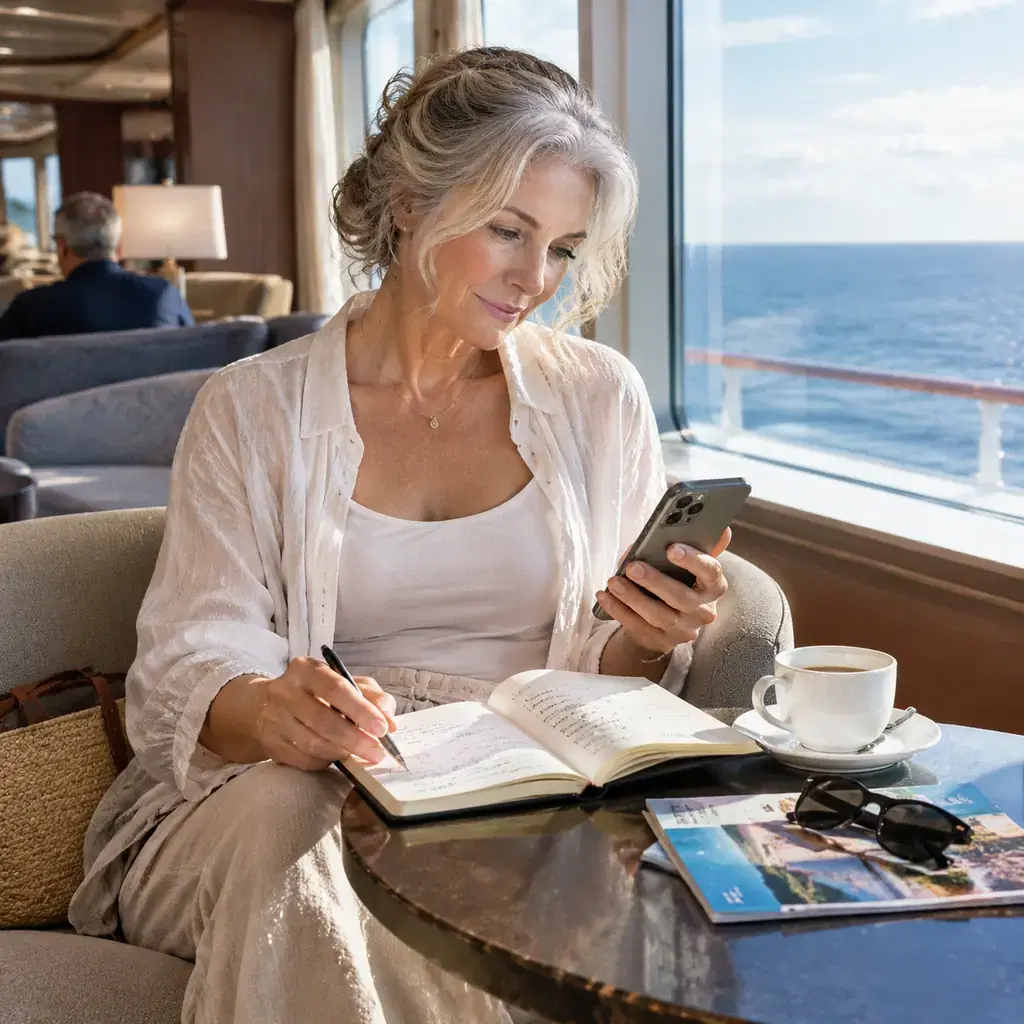
Scan tomorrow’s program for two or three things that interest you. Then notice the open stretches between them. Those are opportunities for the unplanned parts of a vacation, not empty spaces you must fill.
Check venue hours as well as start times. A café closing just before you return from an activity is a small detail that can reshape lunch.
Royal Caribbean allows use of its app on the ship’s guest Wi-Fi without buying an internet package. App guidance If you prefer paper, ask whether a printed daily schedule is available on your sailing.
19. Agree on a meeting place before splitting up

Agree on a recognizable place and time before splitting up. “By the café entrance at four” is more useful than “near the pool later,” particularly when the ship has several pools.
Use the line’s messaging tools where available, but give yourself a fallback if a phone is flat or a notification gets missed. A couple can spend a happy afternoon doing different things without spending the next hour searching for each other.
Carry less when you move around. The same packing-light habits can help keep your cabin and day bag manageable.
20. Pack before dinner on your last evening
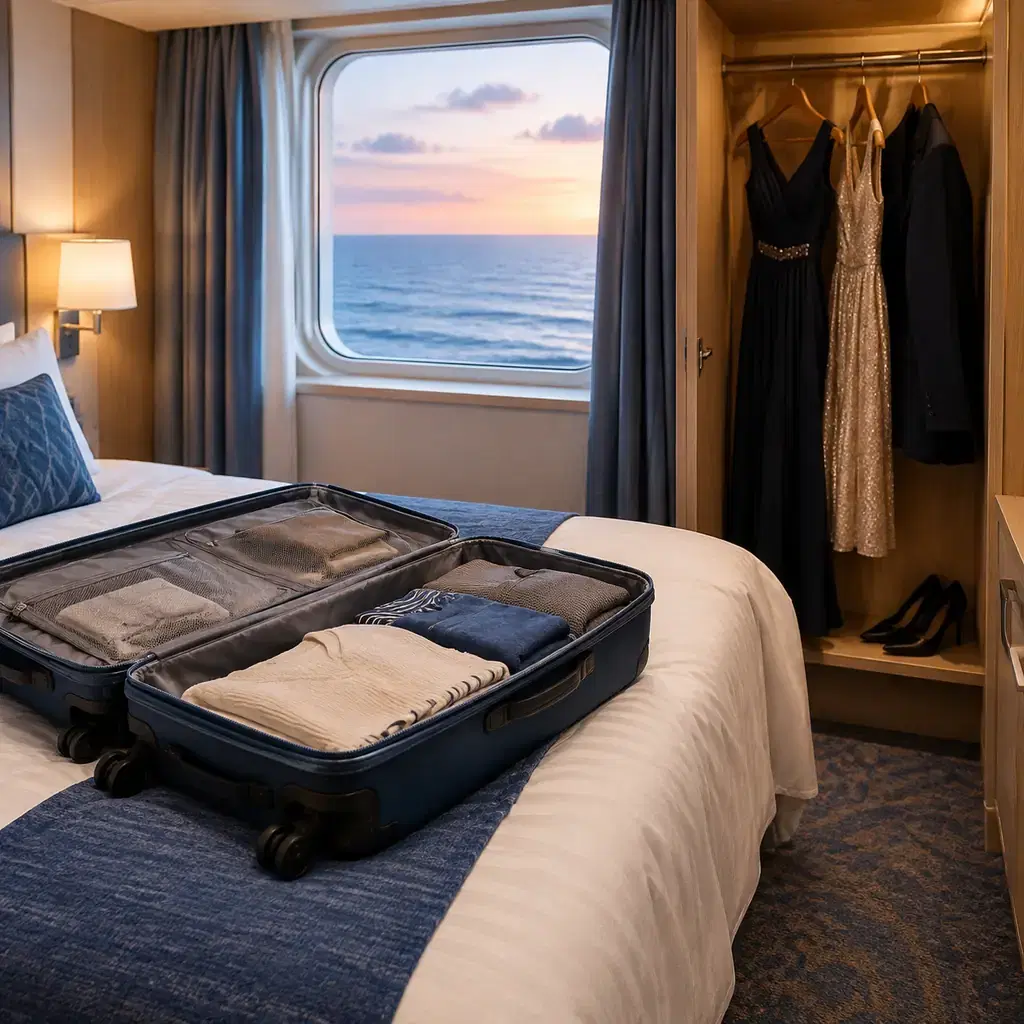
Pack the things you no longer need before dinner, leaving your last evening free for a walk, a show or one more visit to a favorite lounge. Waiting until bedtime can turn the final hours into a hunt for damp swimsuits and misplaced chargers.
Read the luggage instructions for your chosen departure method. If crew will collect your suitcase overnight, tomorrow’s essentials must stay with you.
You have already learned the ship by this point. Enjoy that familiarity for another evening instead of mentally ending the vacation as soon as the packing instructions arrive.
21. Keep your departure-day clothes and essentials with you
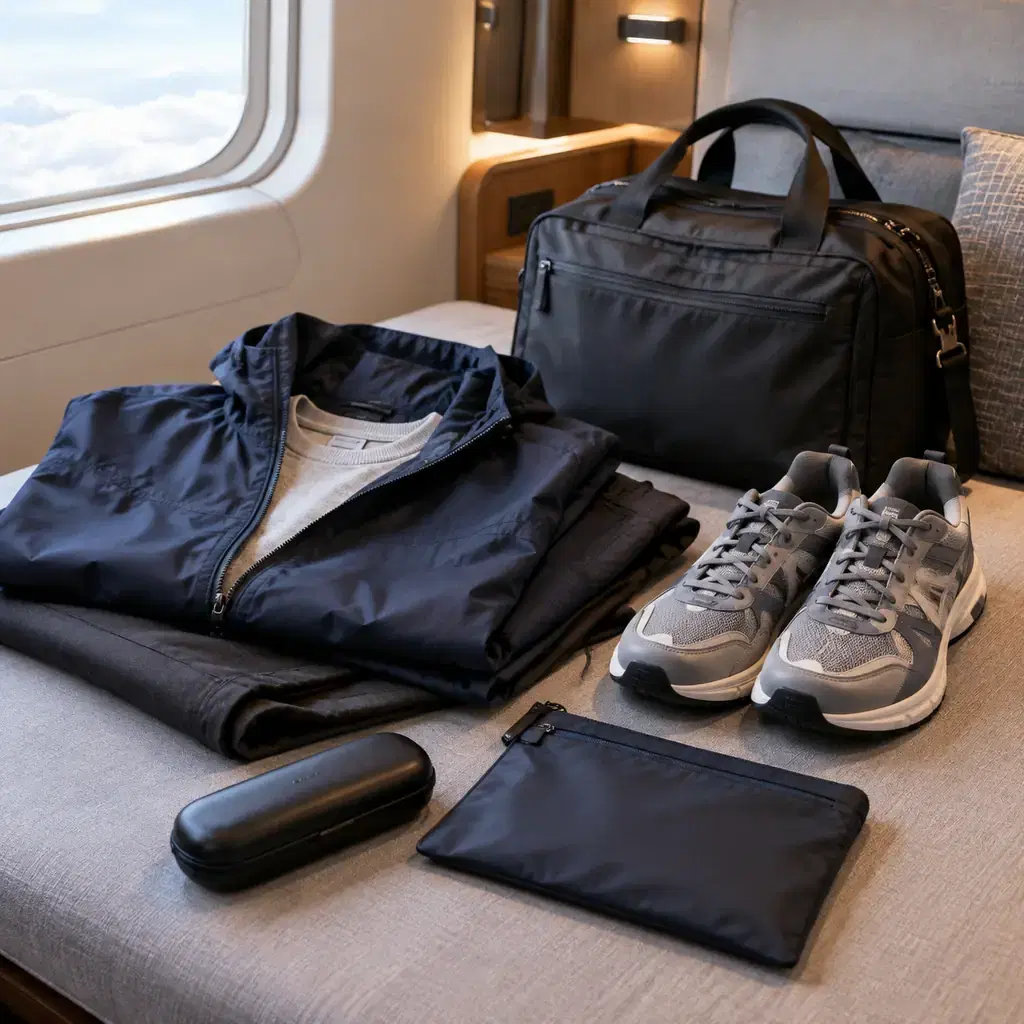
Lay out a complete departure outfit before putting a bag outside for collection. Include shoes, socks, glasses, medication, documents and whatever you need to wash and dress in the morning.
Royal Caribbean’s packing advice specifically calls for an overnight bag because luggage is collected before disembarkation under its assisted procedure. Last-night guidance
It is a wonderfully small precaution with an outsized payoff. Your first cruise can end with breakfast and a calm walk off the ship, rather than the discovery that the only footwear left in the cabin is a pair of pool slides.
Image credits and licenses
- Item 1: Central Park area on the Oasis of the Seas.png by RL0919; CC BY-SA 4.0. Cropped to square and converted to WebP.
- Item 6: MS Queen Anne Royal Court Theatre, a two deck theater with 825 velvet seats.jpg by Richard N Horne; CC BY 4.0. Cropped to square and converted to WebP.
- Item 11: Wine tasting on Viking XPRS.jpg by JIP; CC BY-SA 4.0. Cropped to square and converted to WebP.


