
Editor’s note: This article is an opinion piece based on publicly available passenger reviews, cruise line policies and industry reporting we found online.
Alaska is one of the few cruise itineraries where the upgrade decision is mostly about positioning and access, not pampering. A pricier cabin, excursion, or land add-on buys a better chance at seeing something specific, not a guaranteed sighting.
wp:image {“id”:52678,”sizeSlug”:”large”,”linkDestination”:”none”,”align”:”center”}
/wp:image
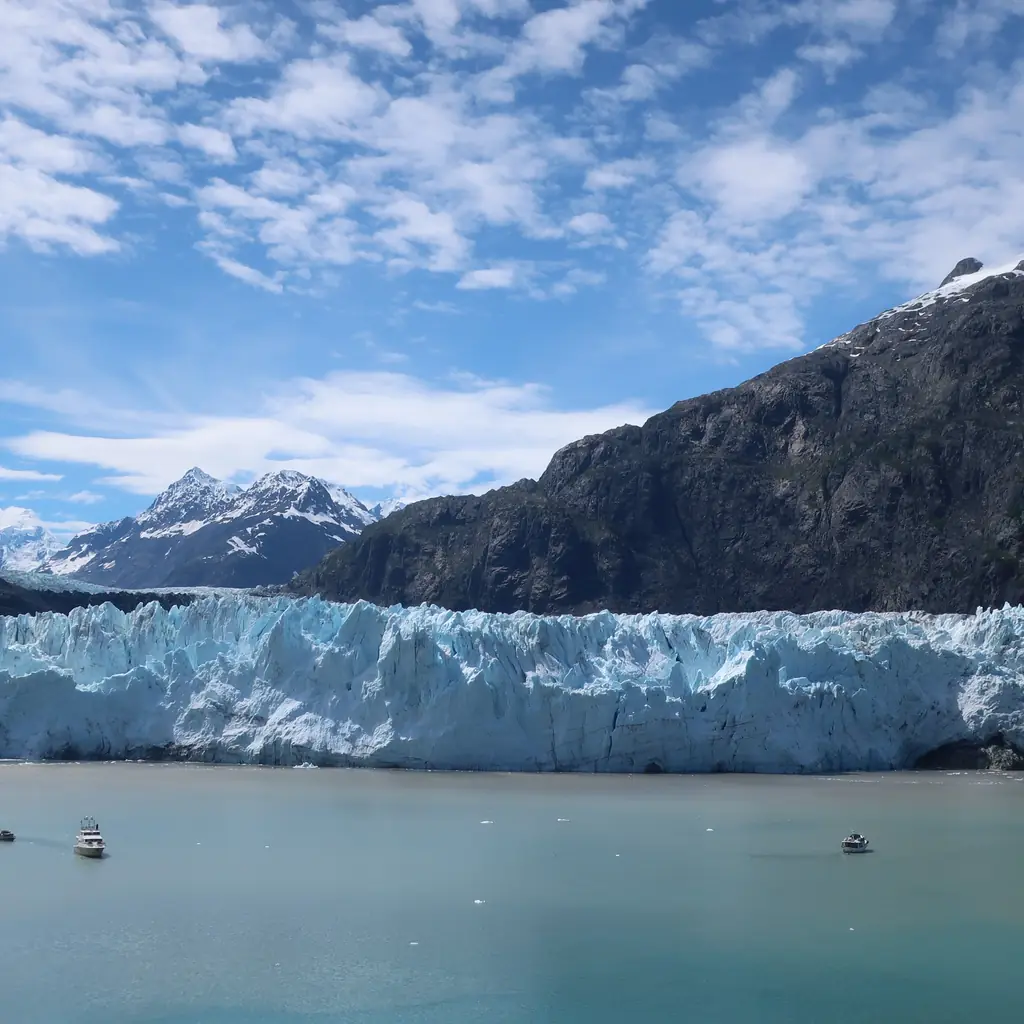
Balcony side on a glacier-approach day
On days built around a single glacier approach, which side of the ship ends up facing the ice depends on how the captain positions the vessel that day, and many ships deliberately rotate or reposition near a glacier so passengers on both sides get a turn facing it rather than permanently favoring one side. A standard balcony assignment is still a gamble on any given day, since currents, ice conditions, or another ship nearby can change the approach with little notice. Corner or wraparound balcony cabins, where a ship has them, see more of the surrounding water from a single fixed spot, which reduces how much a guest has to guess, though it does not guarantee the best angle on every approach.
wp:image {“id”:52688,”sizeSlug”:”large”,”linkDestination”:”none”,”align”:”center”}
/wp:image
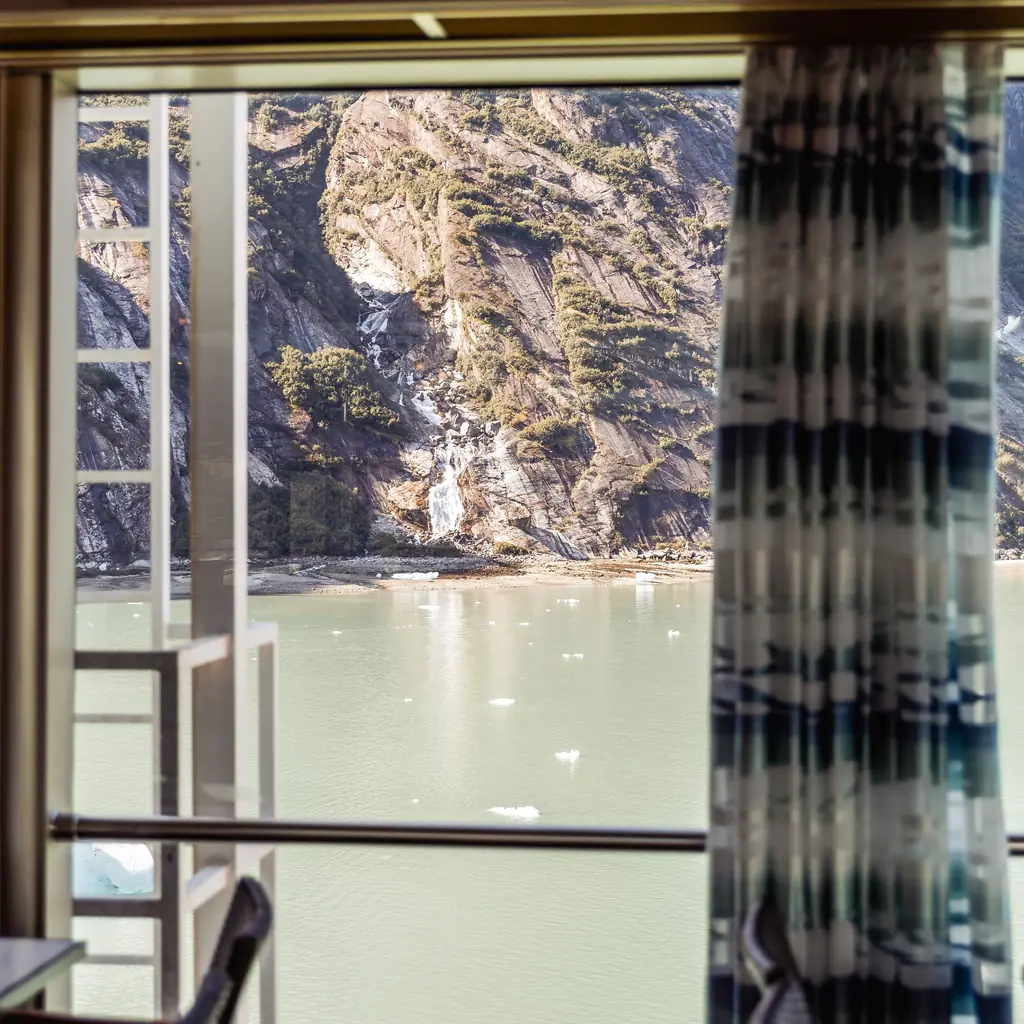
Hubbard Glacier approach versus Tracy Arm or Glacier Bay
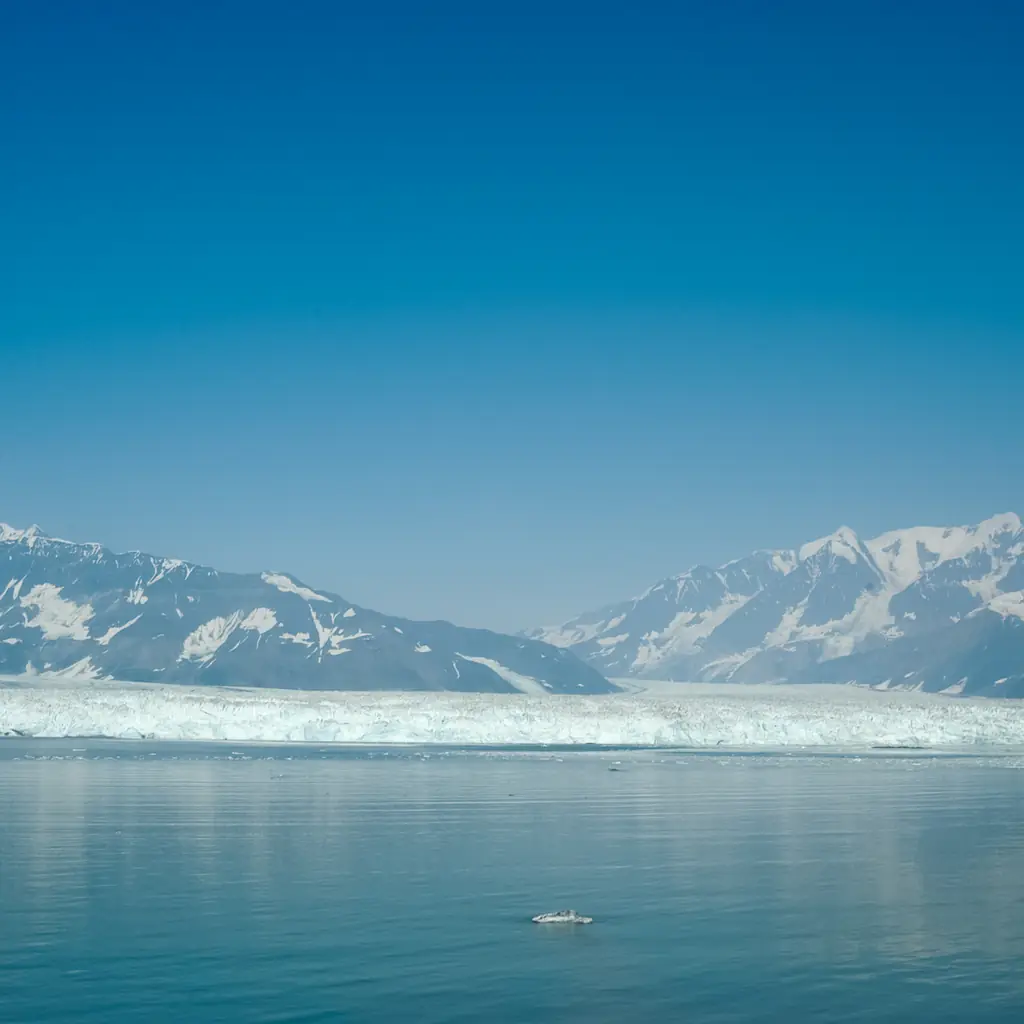
Hubbard is a wide, open approach that most of the ship can see from almost any forward-facing spot, while Tracy Arm and Glacier Bay are narrow fjords where the ship’s track and turn radius matter more. In a tighter fjord, a forward-facing public deck tends to offer a more consistent view than one fixed cabin side, simply because the ship’s heading changes more as it maneuvers through the channel; exactly which side benefits on a given day isn’t something a line commits to in advance. None of this overrides weather or ice density on the day, which can shorten or reroute any of the three.
wp:image {“id”:52679,”sizeSlug”:”large”,”linkDestination”:”none”,”align”:”center”}
/wp:image
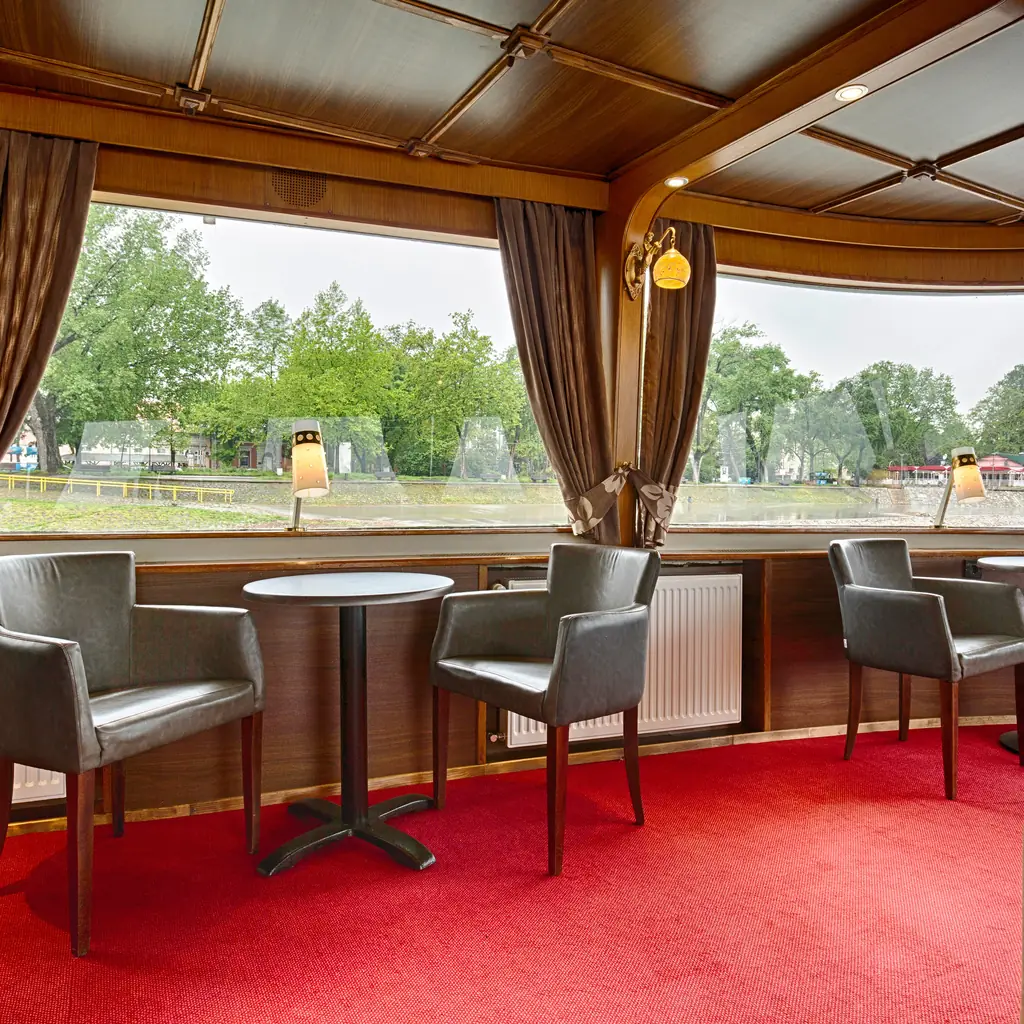
Forward observation lounge access
Some ships reserve forward-facing observation lounges, or the better rows in them, for suite or top-loyalty-tier guests on glacier days. These rooms offer heated viewing without the wind of an open deck, which matters more in Alaska than almost any other itinerary. The tradeoff is capacity: a popular glacier day fills those rooms early even for the guests entitled to use them, so arriving well before the announced approach time still matters.
wp:image {“id”:52689,”sizeSlug”:”large”,”linkDestination”:”none”,”align”:”center”}
/wp:image
Princess’s Direct-to-the-Wilderness rail connection
Princess Cruises owns and operates its own glass-domed railcars linking its Alaska cruises to its network of wilderness lodges, a vertically integrated setup unique to that line. The scenery through the dome cars, rivers, forests, and mountain ranges rolling past floor-to-ceiling glass, is the headline draw, and it is sold only as part of a multi-night cruisetour rather than a standalone upgrade. Guests weighing this against a cheaper cruise-only fare are really deciding whether they want the interior of Alaska at all, not just a better cabin.
wp:image {“id”:52680,”sizeSlug”:”large”,”linkDestination”:”none”,”align”:”center”}

/wp:image
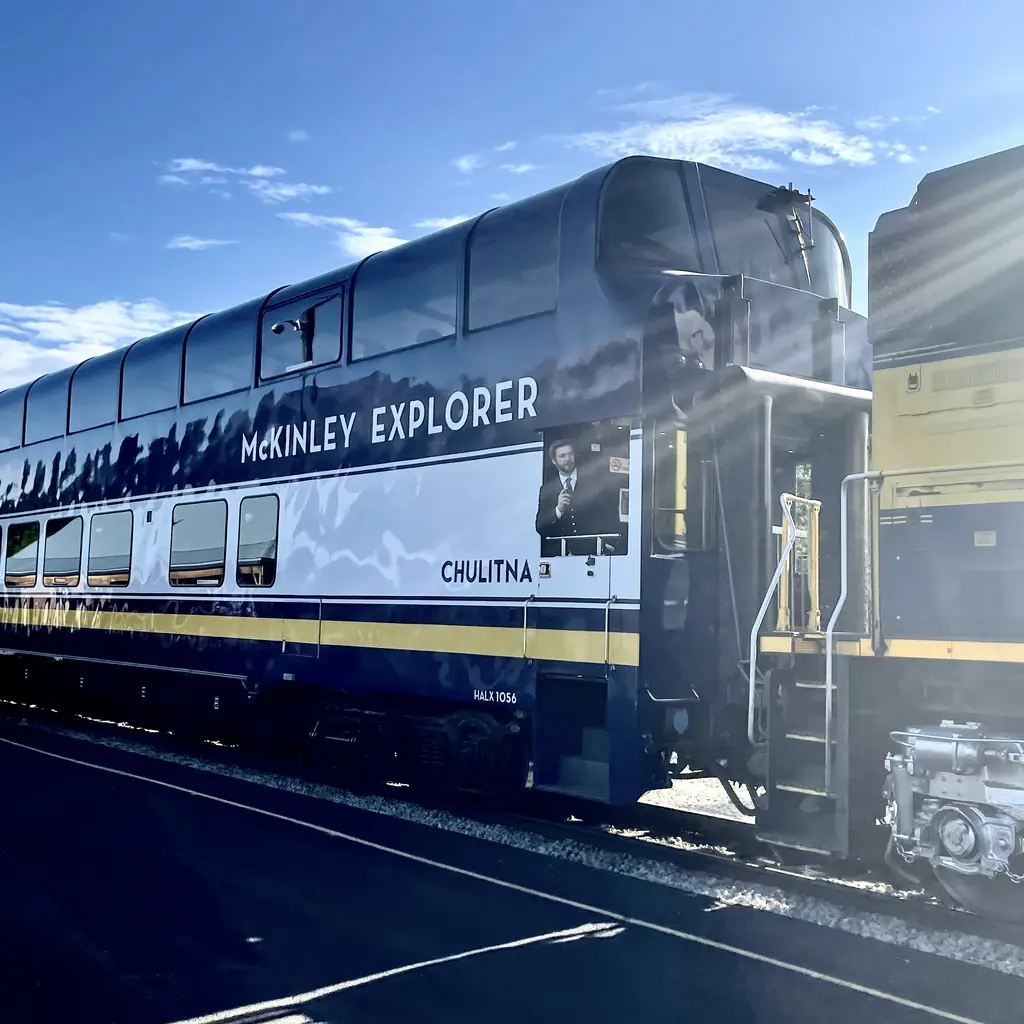
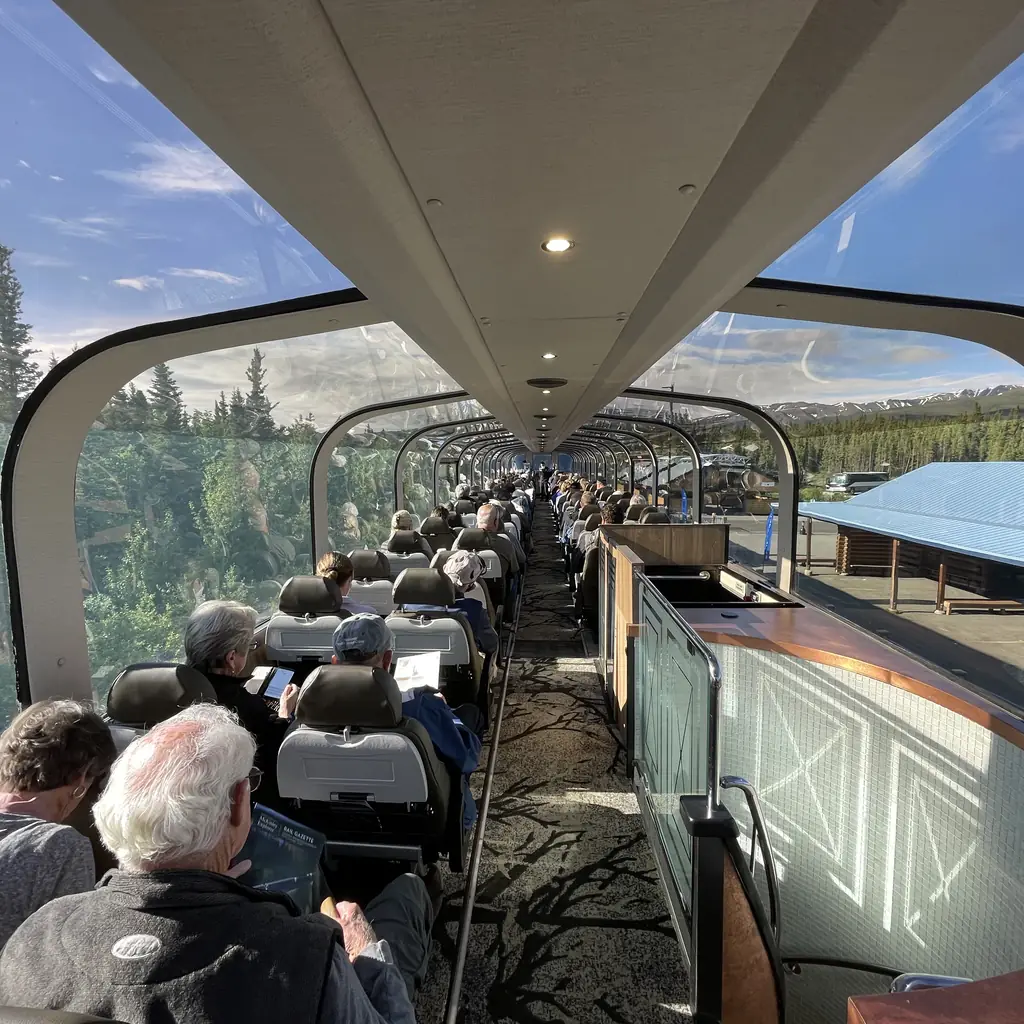
Holland America’s McKinley Explorer versus the base cruise
Holland America’s cruisetours add a ride on its own two-story, glass-domed McKinley Explorer railcars, and several 2026 itineraries also layer in a separate White Pass & Yukon Route segment from Skagway. The upgrade here is largely about reach: cruise-only passengers see Southeast Alaska’s coast and towns, while cruisetour passengers add Denali National Park and the interior. It is a multi-day, multi-thousand-dollar commitment rather than a per-excursion add-on, so it suits travelers who have already decided interior Alaska is part of the trip.
wp:image {“id”:52690,”sizeSlug”:”large”,”linkDestination”:”none”,”align”:”center”}

/wp:image
Celebrity’s cruisetour land packages
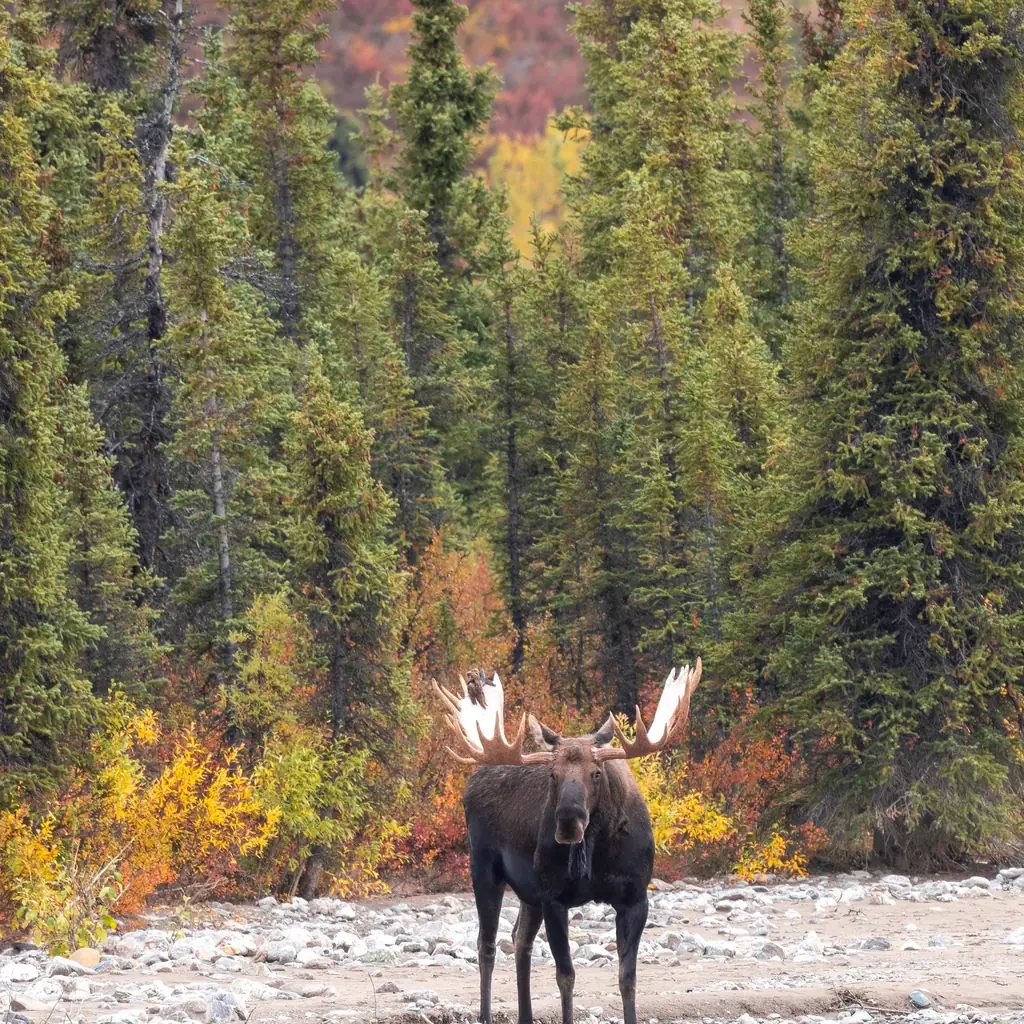
Celebrity’s Alaska cruisetours pair a 7-night Inside Passage sailing with a land portion built around Seward, Anchorage, Talkeetna, and Denali, using glass-domed trains and lodge stays similar in concept to Princess’s and Holland America’s versions. The appeal is seeing wildlife like moose, caribou, and bears in Denali’s open tundra, framed honestly as a chance rather than a promise, since sightings depend on the animals, the season, and visibility that day. Choosing Celebrity’s version over a rival’s mostly comes down to which ship and itinerary the cruise portion uses, not a meaningfully different land product.
wp:image {“id”:52691,”sizeSlug”:”large”,”linkDestination”:”none”,”align”:”center”}
/wp:image
The White Pass & Yukon Route as its own upgrade
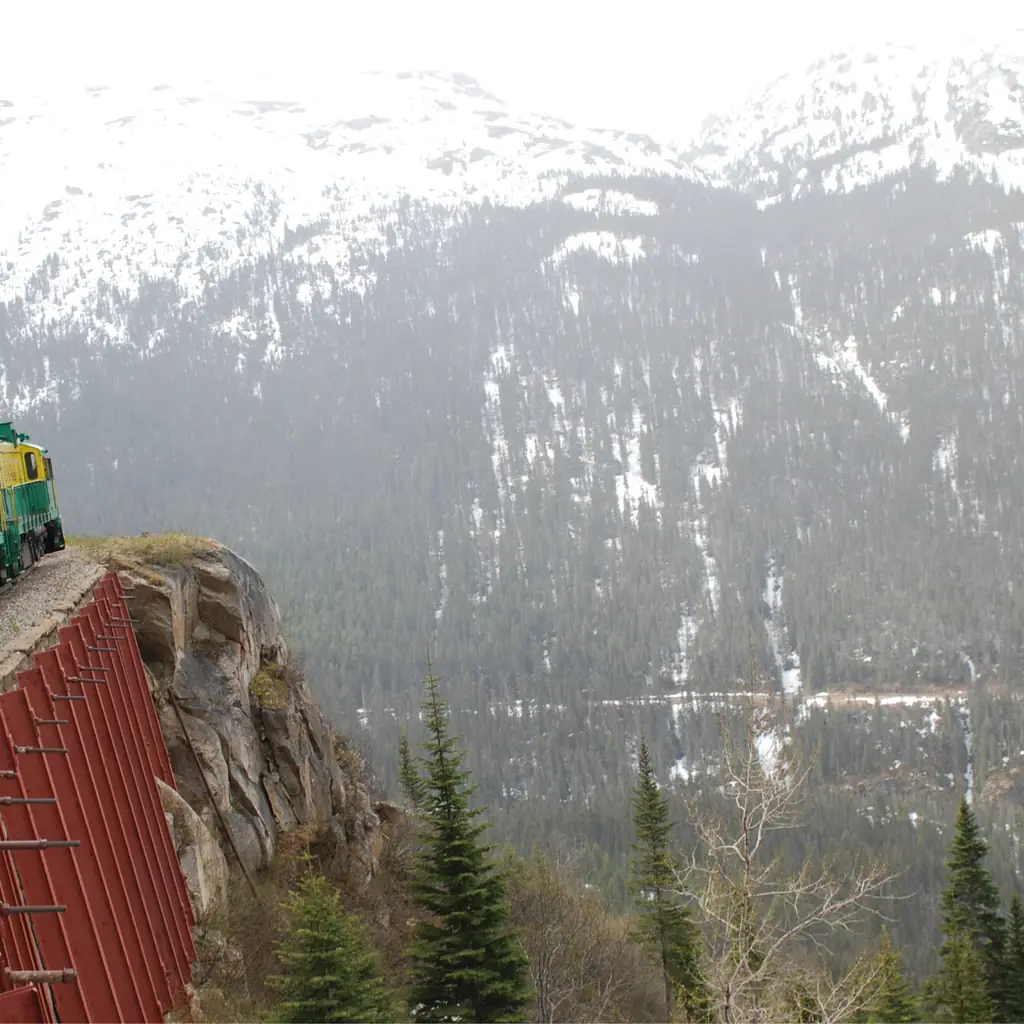
Independent of any line’s land package, the White Pass & Yukon Route narrow-gauge railway out of Skagway is bookable as a standalone shore excursion, with options ranging from a roughly 3-hour round trip to the summit up to an 8-hour Bennett Scenic Journey with a layover. Vintage coaches pulled by a steam or diesel engine climb the same Klondike Gold Rush corridor stampeders used, and seats sell out in peak summer weeks. Only the Summit Excursion trains are wheelchair accessible, which is worth checking before booking for a guest with mobility needs.
wp:image {“id”:52681,”sizeSlug”:”large”,”linkDestination”:”none”,”align”:”center”}

/wp:image
Floatplane flightseeing from Ketchikan or Juneau
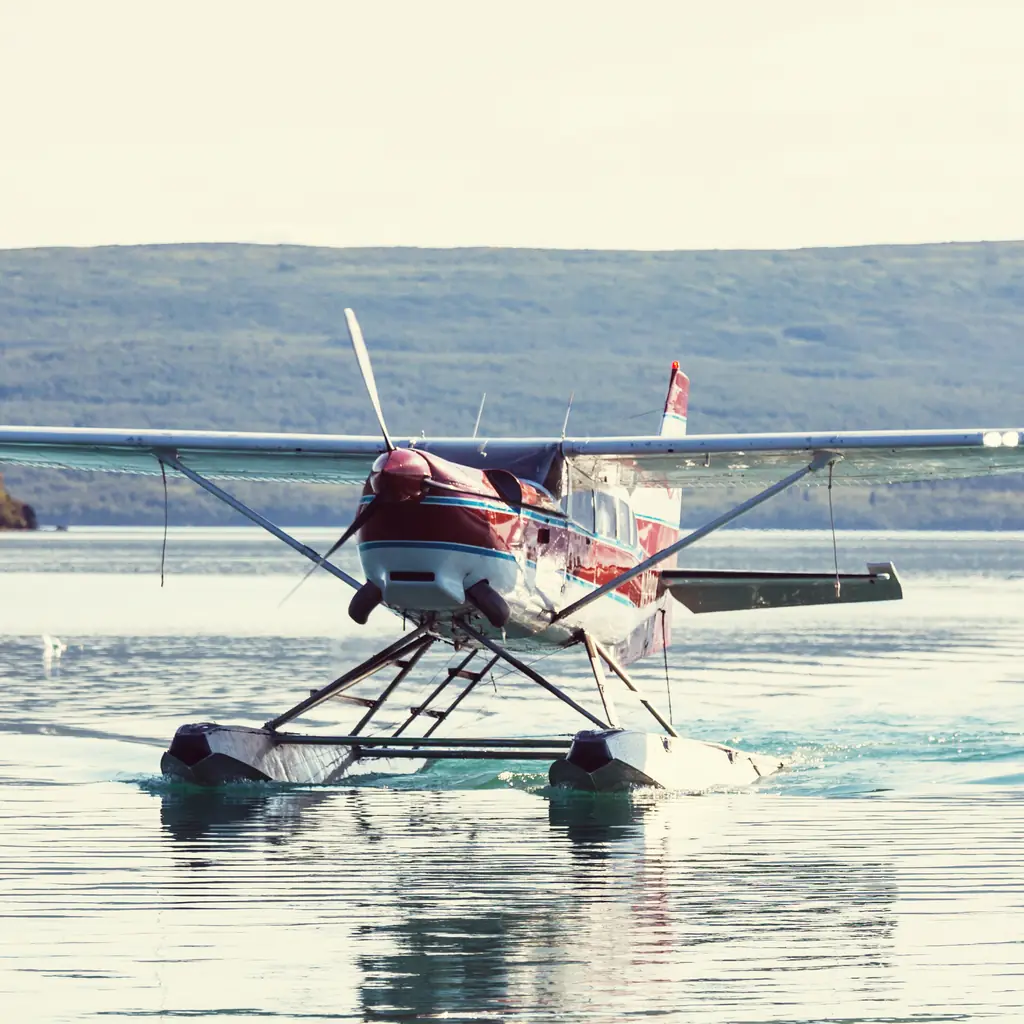
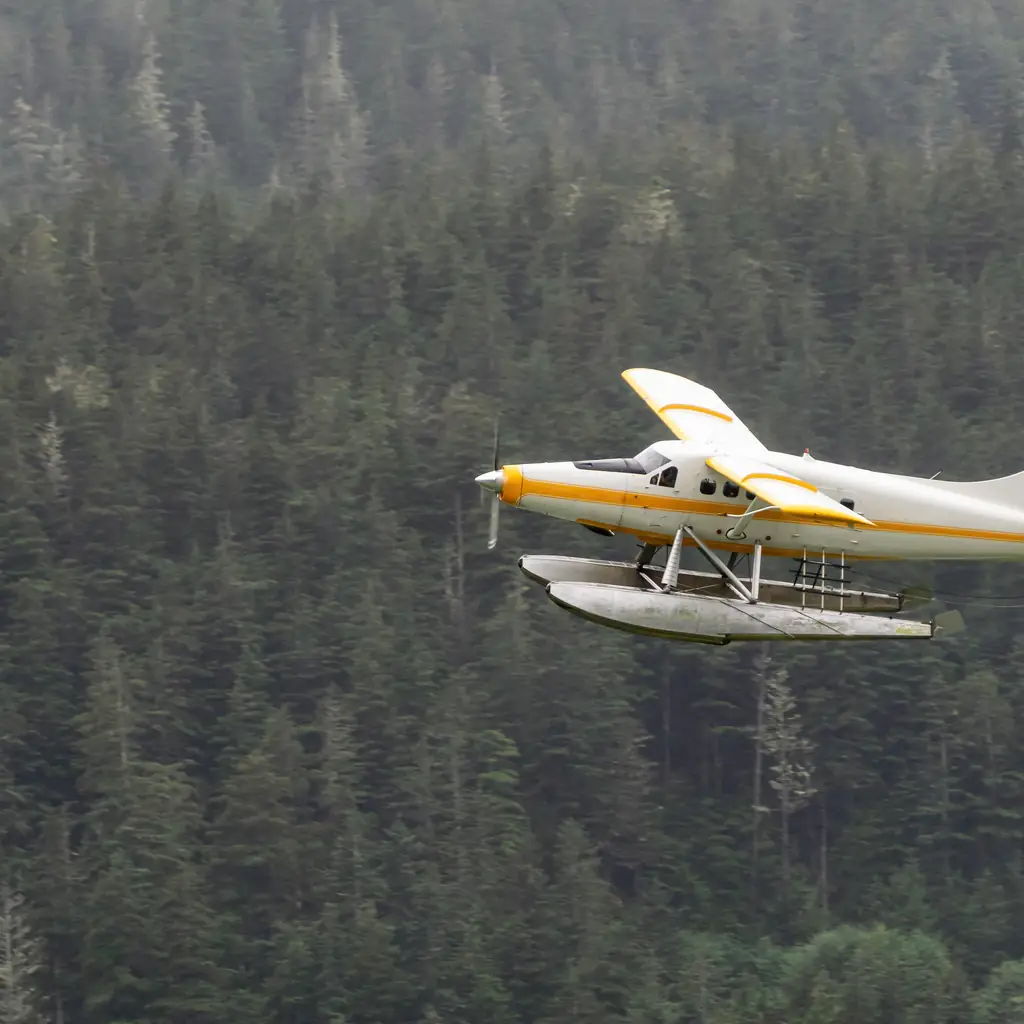
Operators like Taquan Air in Ketchikan and Wings Airways in Juneau fly small floatplanes, Wings uses 10-passenger De Havilland Otters, over the Tongass and Misty Fjords or Juneau’s glacier fields, often cruise passengers’ first experience in a small aircraft. Wings pairs its 5-Glacier Discovery route with a stop at Taku Glacier Lodge for a meal, turning the flight into a half-day event rather than just transportation. Weather grounds these flights more readily than ship-based excursions, so a tight connection to all-aboard time is a real risk to plan around.
wp:image {“id”:52682,”sizeSlug”:”large”,”linkDestination”:”none”,”align”:”center”}
/wp:image
Helicopter glacier landings
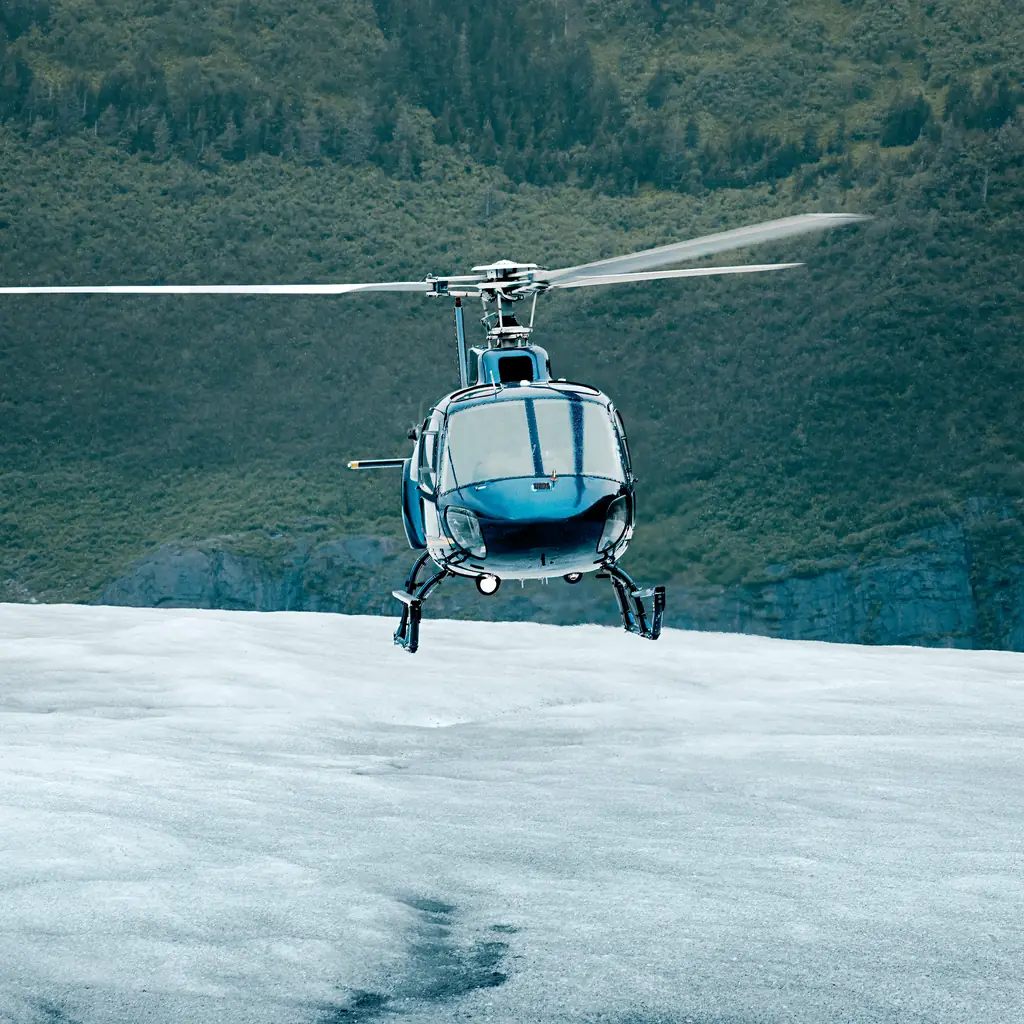
TEMSCO Helicopters, which originated helicopter glacier tours in Alaska and still flies out of Juneau, Skagway, and Denali, offers landings on glacier ice that floatplanes generally do not. A Skagway glacier discovery flight runs in the neighborhood of $439 per person, reflecting the specialized aircraft, licensed pilots, and fuel costs behind any Alaska helicopter operation. Some itineraries pair the flight with dog-sledding on the ice, which is a different and separately priced add-on from the flightseeing itself.
wp:image {“id”:52683,”sizeSlug”:”large”,”linkDestination”:”none”,”align”:”center”}
/wp:image
Choosing a landing flight over a flyover
Within flightseeing, the biggest price jump is usually between a flyover and a tour that includes an actual glacier or backcountry landing, with landing tours commonly running well over $300 to 500 per person against roughly $150 to 275 for a scenery-only flight. The landing adds a walk on the ice or a remote island stop that a flyover cannot offer, but it also adds weather sensitivity, since landing conditions are stricter than flying conditions. Travelers prone to motion sickness or short on time before reboarding may get more reliable value from the flyover tier.
wp:image {“id”:52692,”sizeSlug”:”large”,”linkDestination”:”none”,”align”:”center”}
/wp:image
Before layering on a rail package or a landing flight, it’s worth running the same math that applies to cruise tips that make your vacation money go further: an Alaska-specific upgrade competes with excursions, onboard spending, and gratuities for the same travel budget, not just with a cheaper cabin.
Small-ship wildlife cruises from Valdez
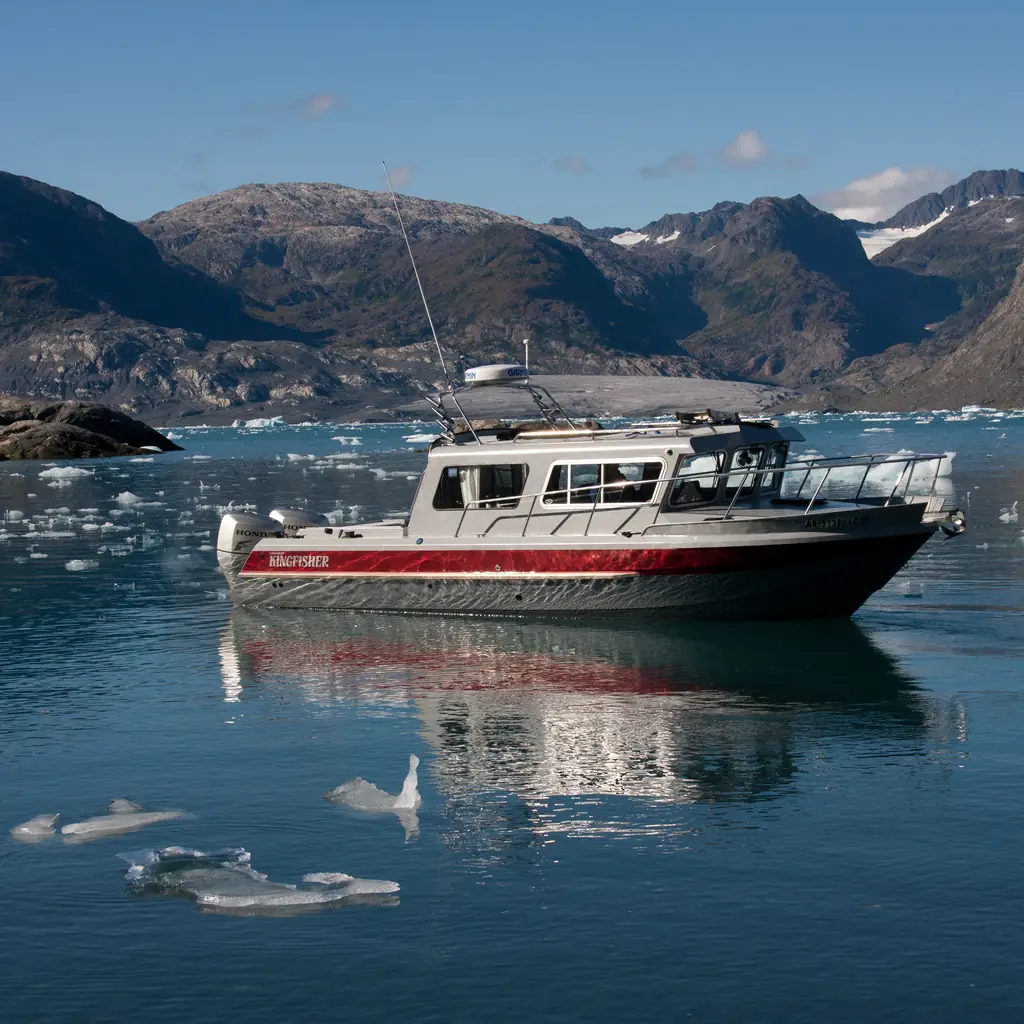
Stan Stephens Glacier & Wildlife Cruises runs out of Valdez into Prince William Sound toward Columbia or Meares Glacier, with two daily departures in season and meals included. Because the operation isn’t tied to a cruise ship’s schedule, the captain can idle near a group of sea otters, seals, or porpoise rather than holding a fixed course, which is the core advantage small-boat wildlife tours have over anything a large ship itself can do. This only works as a pre- or post-cruise add-on for itineraries that call at or connect through Prince William Sound ports.
wp:image {“id”:52693,”sizeSlug”:”large”,”linkDestination”:”none”,”align”:”center”}
/wp:image
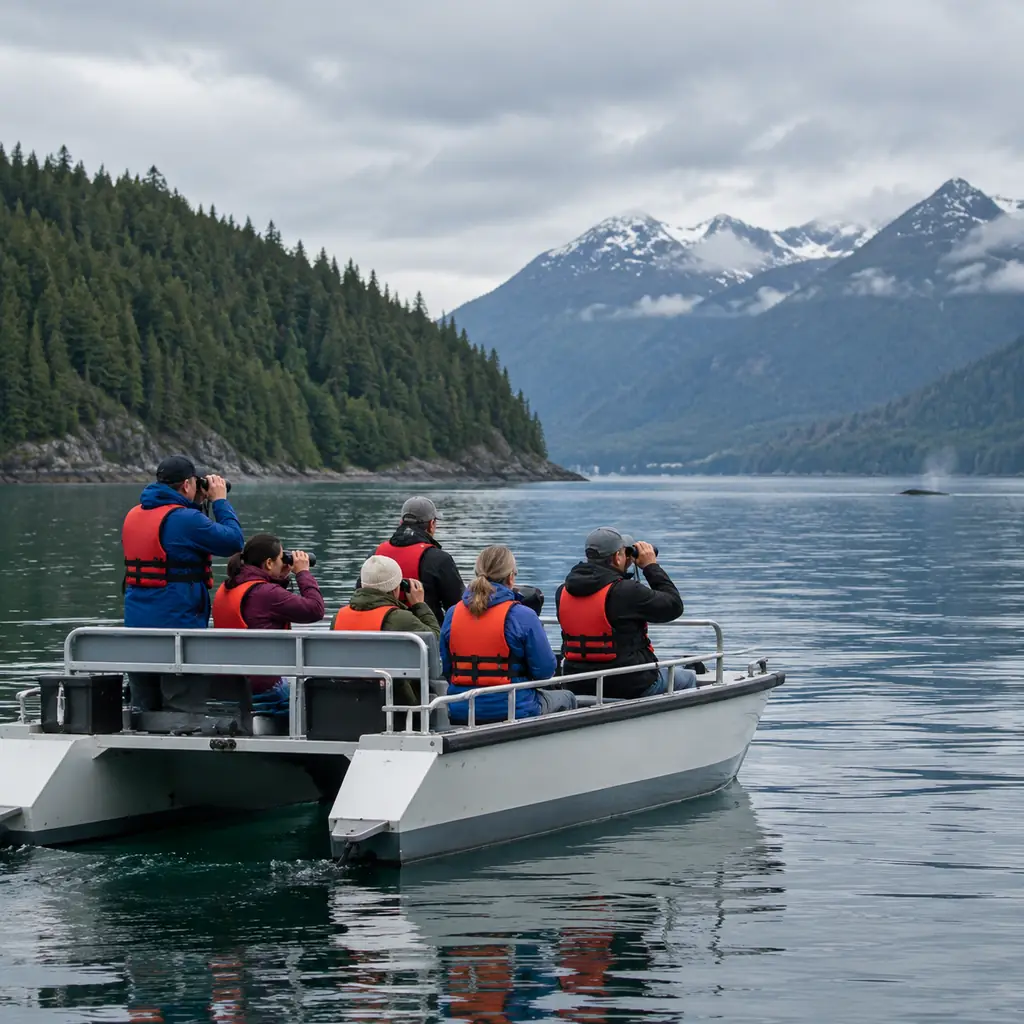
Allen Marine’s small-group tours from Juneau, Ketchikan, and Sitka
Allen Marine Tours has operated in the Inside Passage for more than 45 years and offers whale and wildlife-watching cruises from three major Alaska ports, with chances to see sea otters, whales, sea lions, bald eagles, and brown bears along the shoreline. Because it is a family-run operator rather than a megaship excursion desk, group sizes and vessel maneuverability sit closer to Stan Stephens’ model than to a 2,000-passenger ship’s tender-based shore trips. Wildlife counts vary tour to tour and season to season, and no operator can promise a bear or whale sighting on a given sailing.
wp:image {“id”:52684,”sizeSlug”:”large”,”linkDestination”:”none”,”align”:”center”}
/wp:image
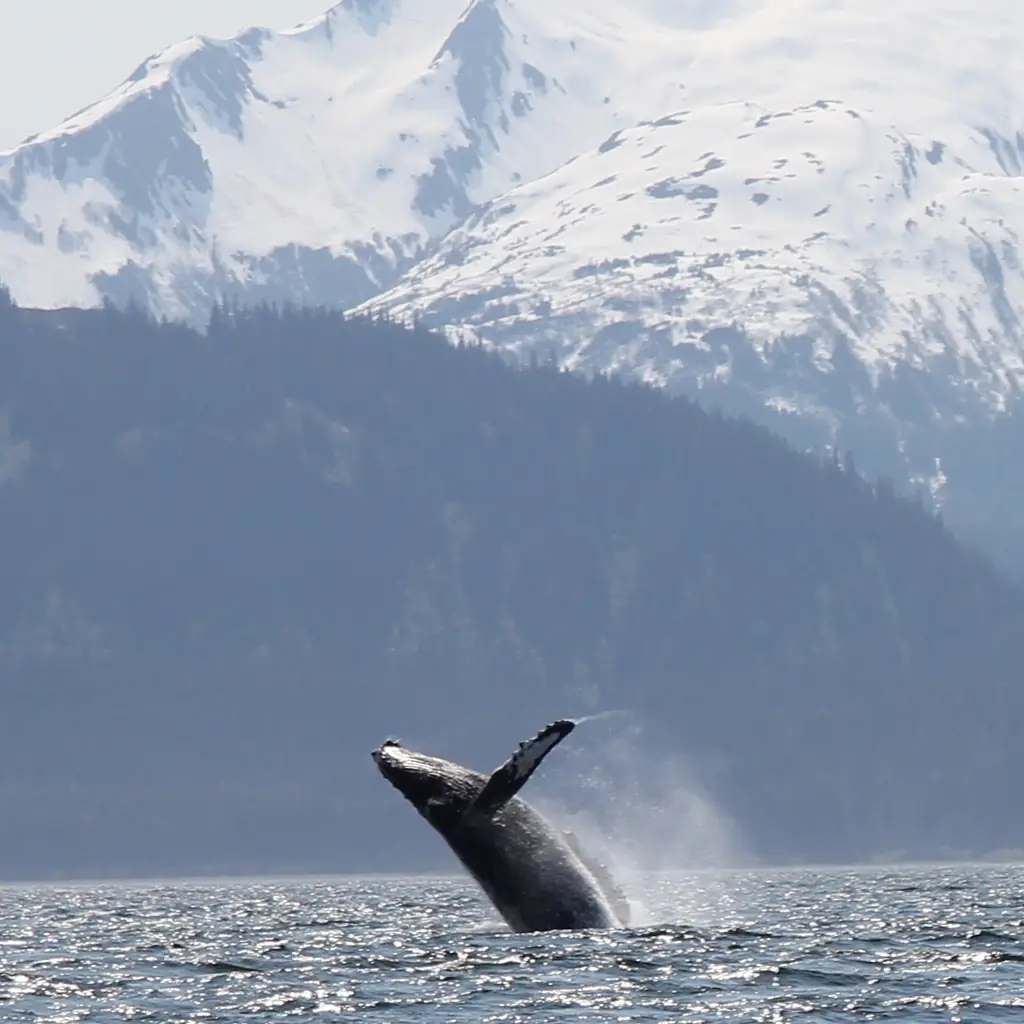
UnCruise Adventures and Lindblad Expeditions as a different trip, not a better cabin
UnCruise runs ships as small as 22 to 86 passengers, several with kayaks and paddleboards onboard, while Lindblad holds a National Park Service permit allowing it to spend a full day inside Glacier Bay National Park, something most large ships cannot do. These aren’t an upgrade tier on a mainstream sailing; they’re an entirely separate booking, usually at a meaningfully higher per-night cost, that trades pools, theaters, and multiple restaurants for closer wildlife approaches and narrower fjord access. Travelers who want casinos, splash parks, or a dozen dining venues alongside Alaska scenery are generally better served by a large ship.
wp:image {“id”:52685,”sizeSlug”:”large”,”linkDestination”:”none”,”align”:”center”}

/wp:image
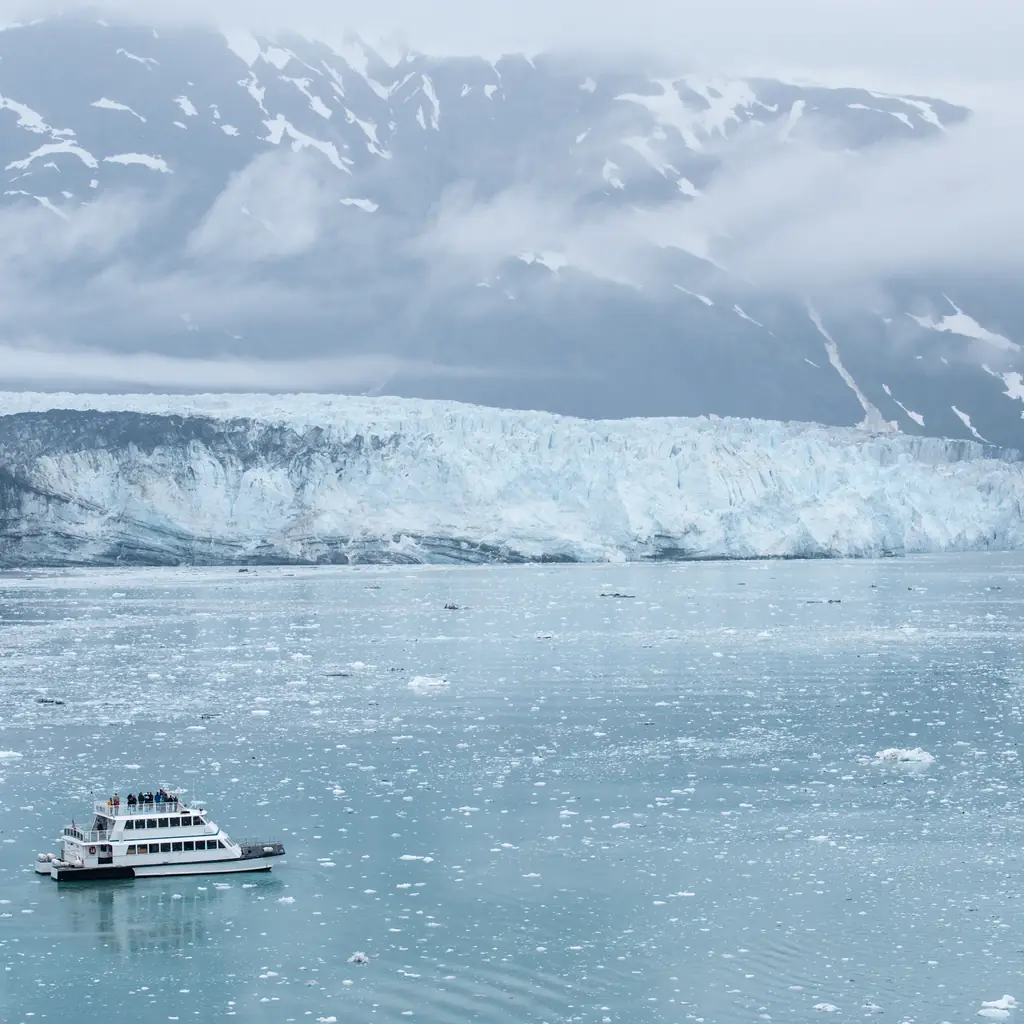
Kenai Fjords and 26 Glacier day cruises as pre/post-cruise upgrades
Phillips Cruises & Tours’ 26 Glacier Cruise departs Whittier on a roughly 5.5-hour run through Prince William Sound’s College Fjord and Esther Passage, narrated by the captain with a hot lunch included, while a related Kenai Fjords sailing departs from Seward. These work well bolted onto the start or end of a cruise that begins or ends in Whittier or Seward, letting a traveler see additional tidewater glaciers the ship’s own itinerary skips. They are priced and booked independently of the cruise line, so comparing them against a similar ship-sold excursion on cost and duration is worth the extra step.
wp:image {“id”:52694,”sizeSlug”:”large”,”linkDestination”:”none”,”align”:”center”}
/wp:image
Because a cruisetour effectively changes the shape of the trip, it belongs in the same conversation as cruise packages and routes that aren’t always worth the hype: the extra nights and rail segments are worth paying for only if the interior scenery and wildlife chances matter more to the traveler than extra sea days or a different region entirely.
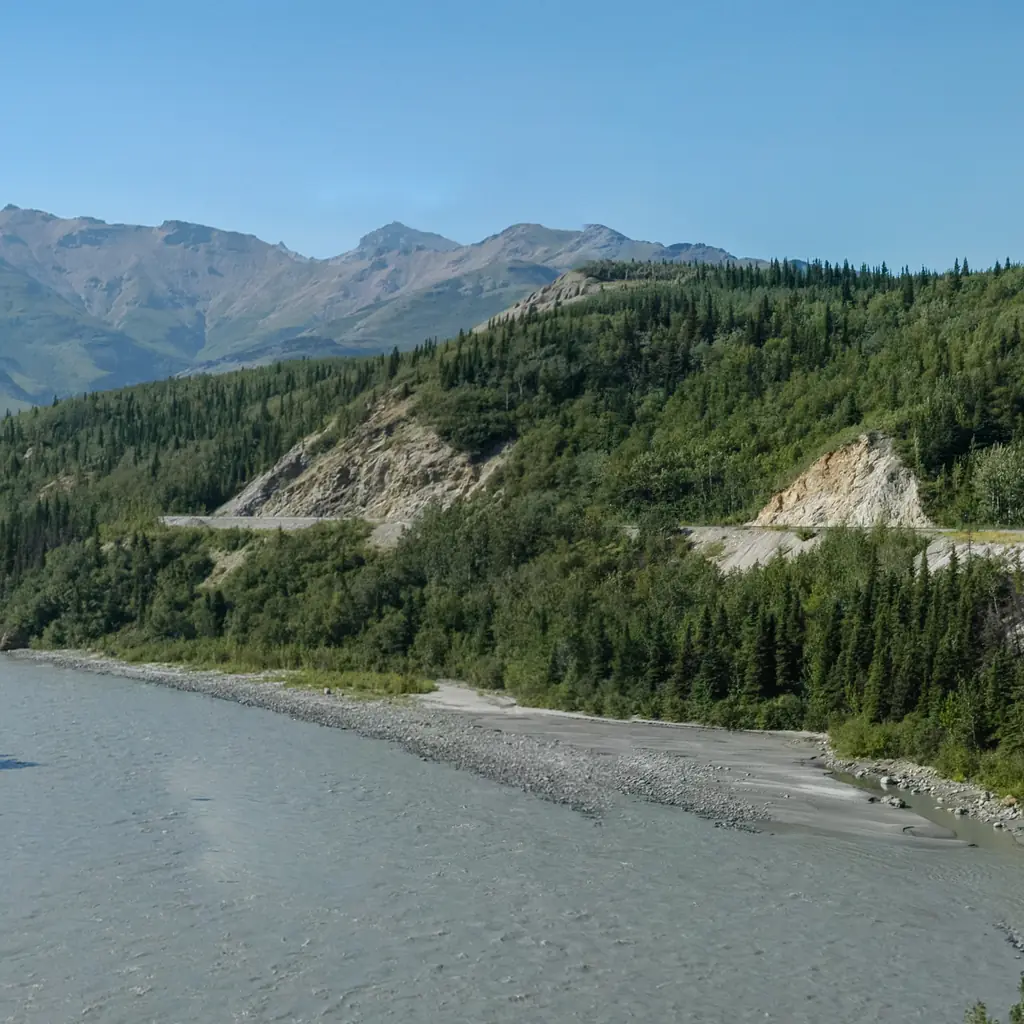
The Alaska Railroad’s GoldStar dome service as a transfer upgrade
Between Seward and Anchorage, the standard transfer is a motorcoach, but the Alaska Railroad’s GoldStar Dome class adds upper-level glass-dome seating, a private outdoor viewing platform, and meals and drinks in the fare. A new passenger dock and rail terminal in Seward, debuting in 2026, connects arriving or departing cruise passengers directly to this rail network without a separate shuttle to the station. Dome seats on this route are popular enough to sell out, so this upgrade needs booking well ahead rather than at the pier.
wp:image {“id”:52686,”sizeSlug”:”large”,”linkDestination”:”none”,”align”:”center”}
/wp:image
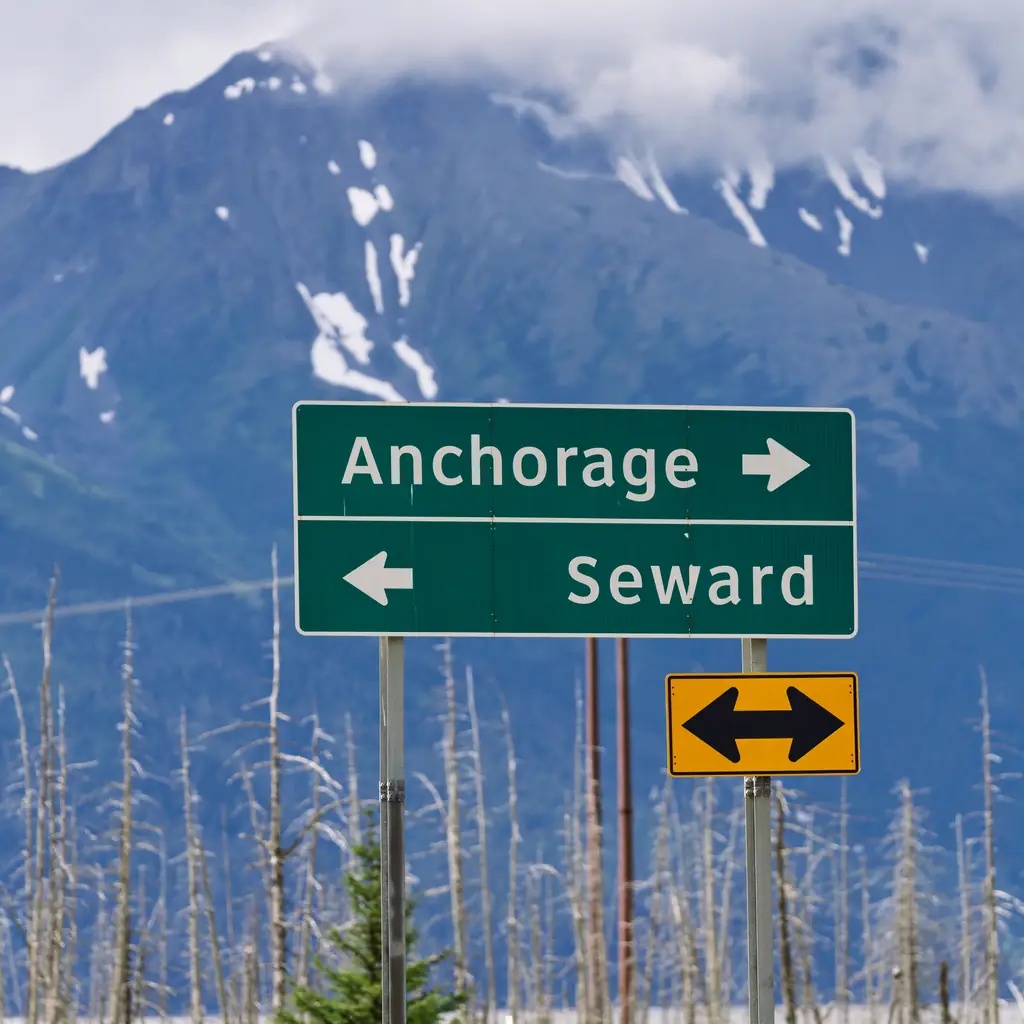
Private transfers at Whittier and Seward versus the included shuttle
Cruise lines typically move passengers between Anchorage and the Whittier or Seward port on contracted motorcoaches, but private transfer operators offer smaller vans, often Mercedes Sprinters for up to eight guests, with a dedicated driver-guide and a flexible schedule instead of a fixed departure time. Full-day guided versions from Anchorage run in the low hundreds of dollars per person, more than a standard transfer, for added stops and narration along the Seward Highway or Turnagain Arm. This mainly benefits travelers who want sightseeing built into the transfer itself rather than treating it as dead time.
wp:image {“id”:52695,”sizeSlug”:”large”,”linkDestination”:”none”,”align”:”center”}
/wp:image
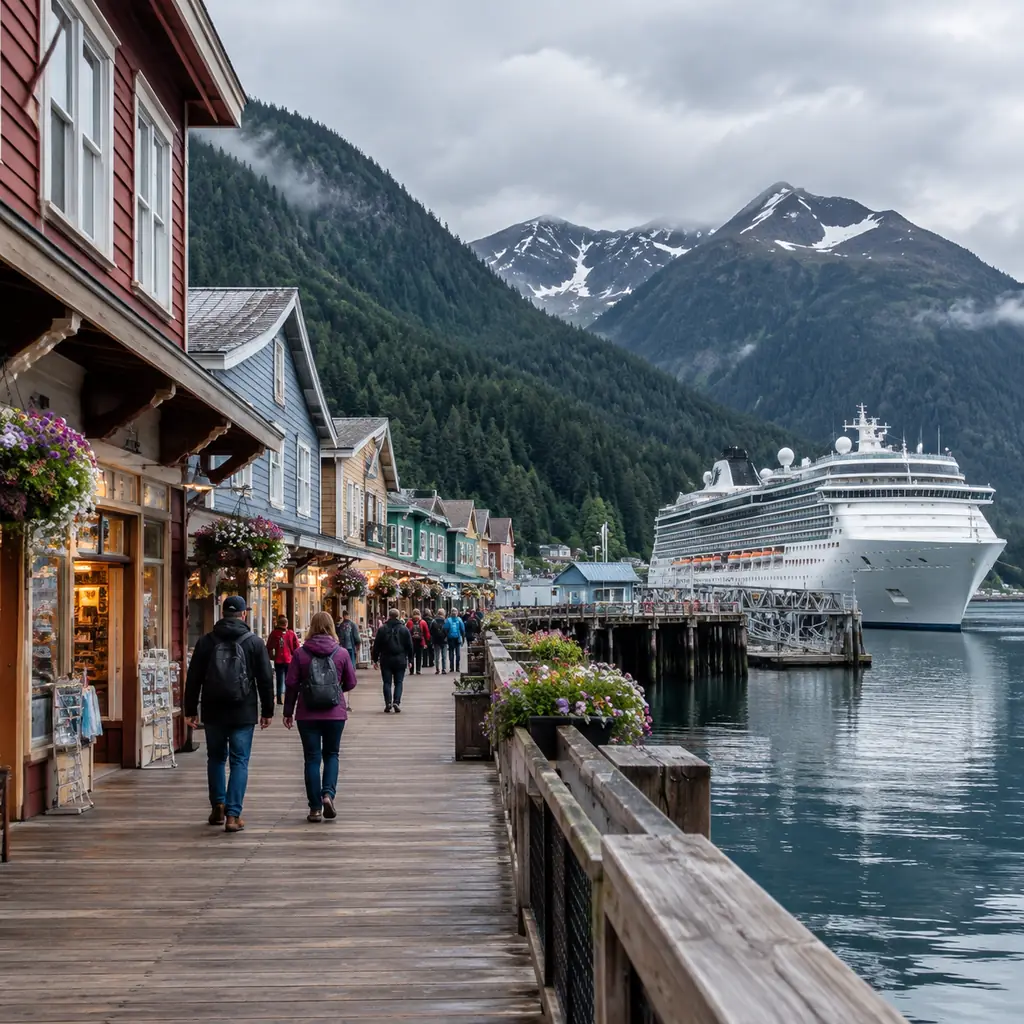
Juneau, Skagway, and Ketchikan port-day private transfers
In the smaller Southeast Alaska ports, most shore activity is excursion-based rather than transfer-based, since the towns themselves are compact and walkable from the dock. A private vehicle or guide mainly adds value for travelers heading further out, to a trailhead, a specific wildlife viewing spot, or a flightseeing terminal on the edge of town, than walking distance covers. Comparing a line-sold shore excursion against a locally booked private guide on cost and flexibility is worth doing before assuming the ship’s version is the only option.
wp:image {“id”:52687,”sizeSlug”:”large”,”linkDestination”:”none”,”align”:”center”}
/wp:image
Loyalty and suite-tier priority on tender and excursion days
On ports where the ship anchors and tenders passengers ashore, mainstream lines often let suite guests and top loyalty tiers disembark earlier, which matters for anyone trying to catch a timed flightseeing or rail departure. This priority is a real time advantage on a tight port day, but it does not change the weather, wildlife, or glacier conditions once ashore. It is most valuable paired with an excursion that has its own strict departure window, like a floatplane or train, rather than a self-guided walk around town.
wp:image {“id”:52696,”sizeSlug”:”large”,”linkDestination”:”none”,”align”:”center”}
/wp:image
The same logic that experienced passengers use to avoid cruise cabins they won’t book again applies on Alaska sailings specifically to glacier-day positioning: a cabin that’s fine on a Caribbean itinerary can be a poor seat for the one or two days the ship’s whole purpose is the view outside.
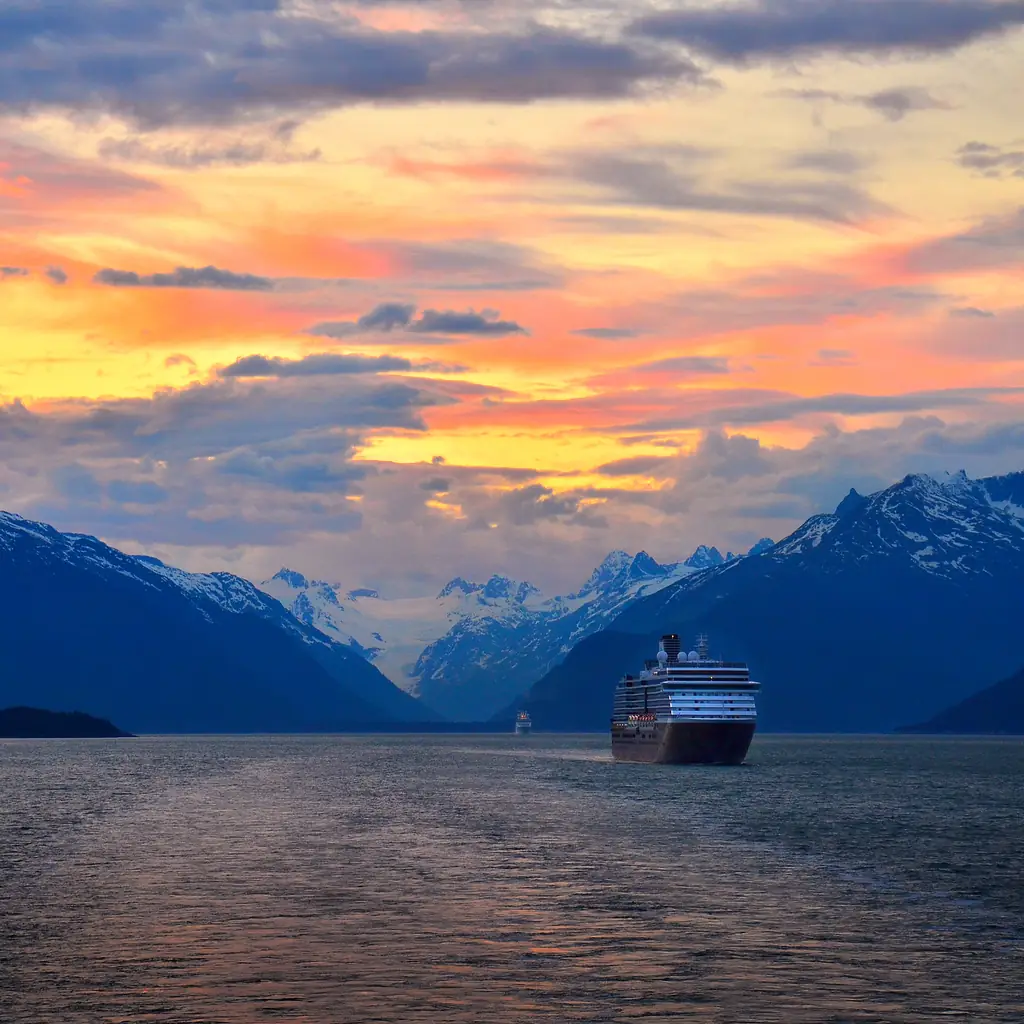
Signature or premium suite categories built around Alaska’s scenery
Several mainstream lines sell forward- or side-facing premium suite categories specifically marketed around glacier-day views, bundling priority tender access, concierge excursion booking, and sometimes a reserved spot in a forward lounge. The scenery benefit is real on the specific days the ship is near a glacier or fjord, but on port-heavy days in town, the extra space and perks matter more than the view itself. Buyers should weigh the suite premium against how many of the sailing’s days are actually scenic cruising versus docked port time.
wp:image {“id”:52697,”sizeSlug”:”large”,”linkDestination”:”none”,”align”:”center”}
/wp:image
Multi-generational and family considerations on Alaska-specific add-ons
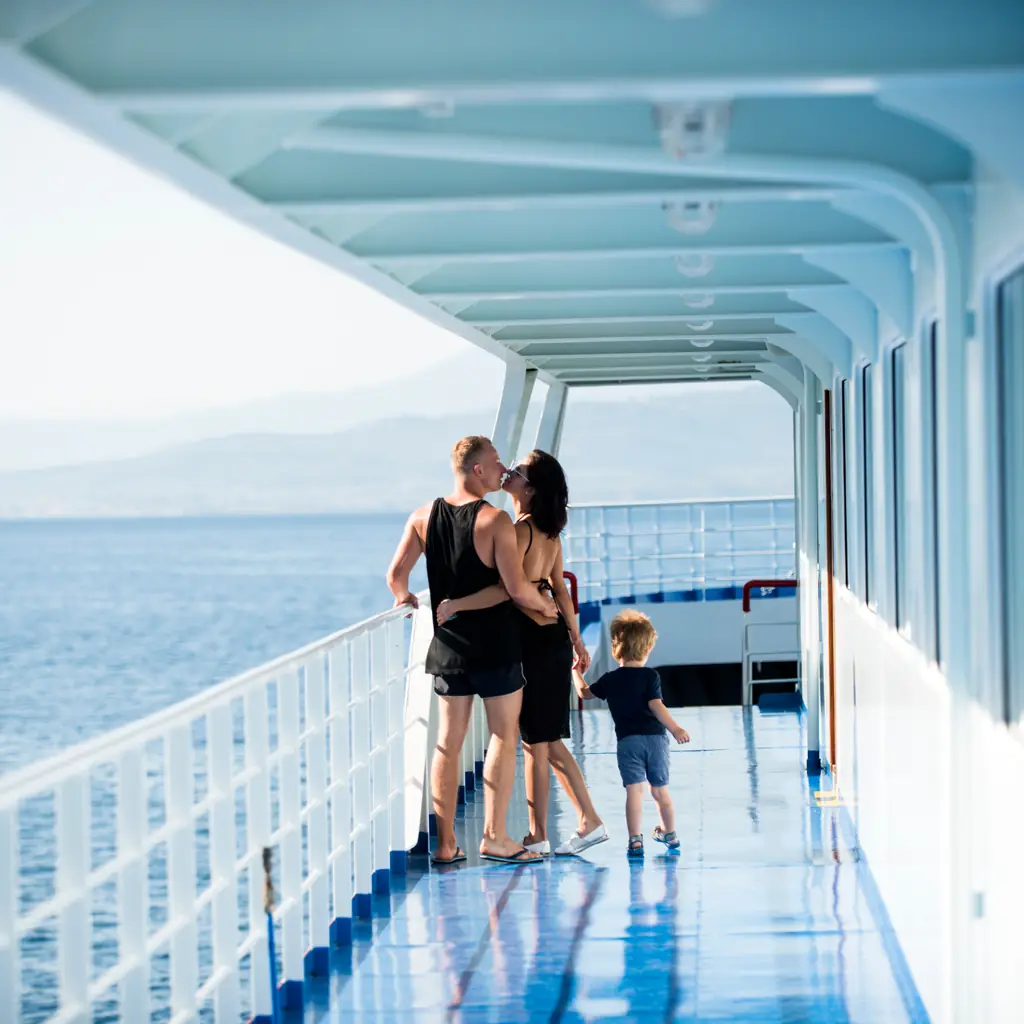
Rail cars, floatplanes, and small-boat wildlife tours all have different minimum ages, mobility requirements, and seating limits than typical onboard activities, which matters more for families mixing generations on one sailing. A grandparent with limited mobility may do better on the Alaska Railroad’s dome service than a floatplane with a step-up boarding process, while young children are often excluded from helicopter or glacier-landing tours by operator policy. Checking each operator’s age and mobility rules before booking avoids an expensive upgrade that part of the traveling group can’t actually use.
wp:image {“id”:52698,”sizeSlug”:”large”,”linkDestination”:”none”,”align”:”center”}
/wp:image
Top loyalty tiers can matter here beyond the general perks covered in cruise loyalty perks worth chasing, since priority tender disembarkation and earlier excursion booking windows are genuinely more valuable on Alaska’s time-sensitive rail and flightseeing days than on a typical port call elsewhere.
Timing the upgrade to the sailing’s exact route
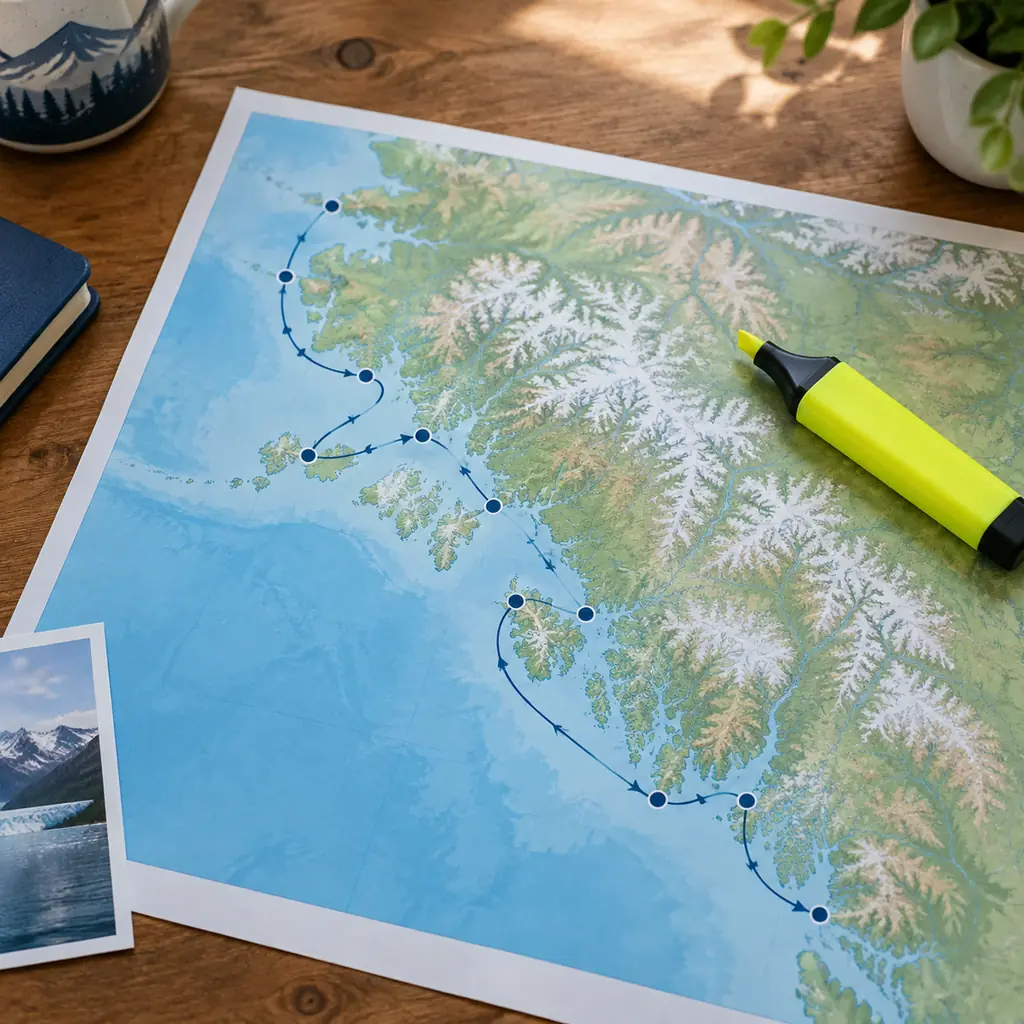
Not every Alaska sailing visits Hubbard Glacier, Tracy Arm, or Glacier Bay, and not every port call includes Skagway or Whittier, so an upgrade built around a specific glacier view, rail line, or flightseeing base only pays off if the itinerary actually calls there. Checking the day-by-day port and scenic-cruising schedule before buying a glacier-facing suite or booking a Skagway rail excursion avoids paying for access the sailing never reaches. This is a more common mismatch on Alaska itineraries than on Caribbean routes, where most ships in a region visit a similar set of islands.
wp:image {“id”:52699,”sizeSlug”:”large”,”linkDestination”:”none”,”align”:”center”}
/wp:image
What no upgrade can promise
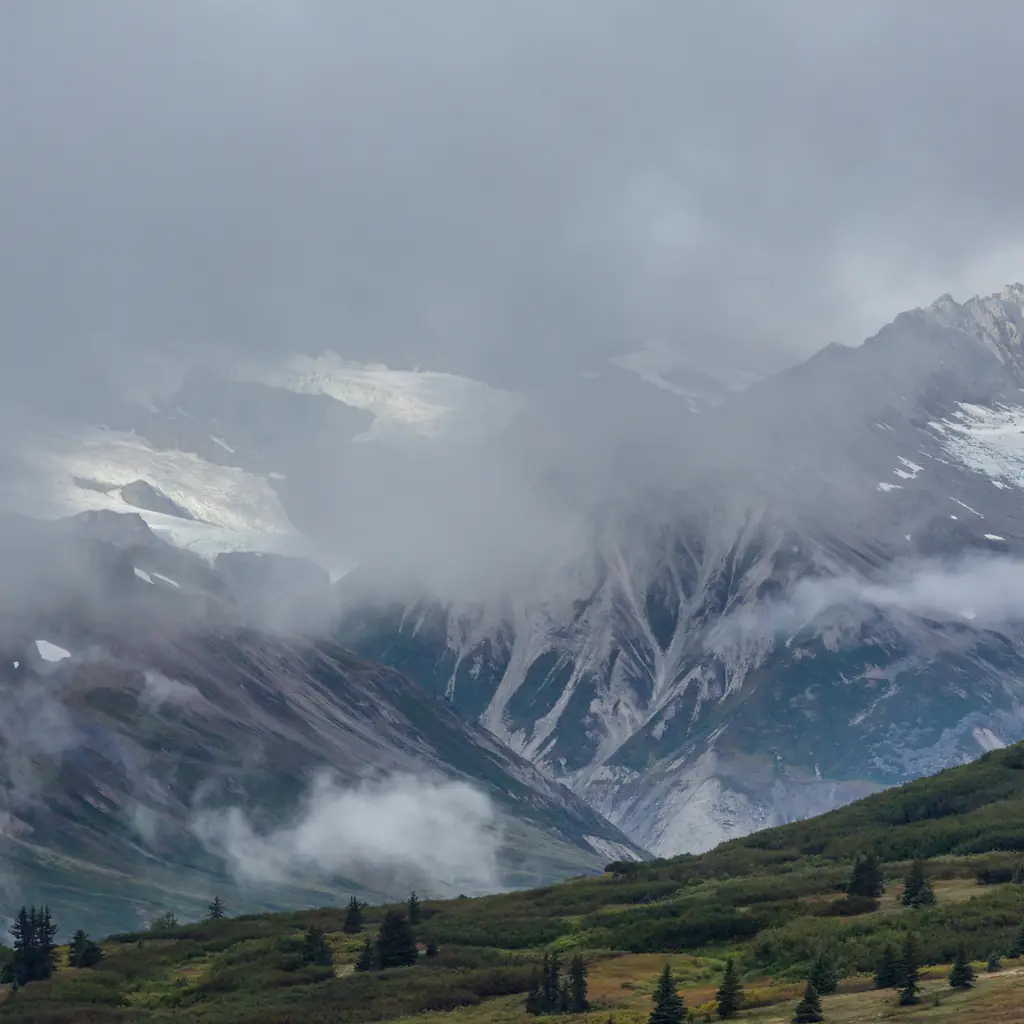
Every operator named here, from the major cruise lines to the small floatplane and wildlife-boat companies, qualifies its own marketing with some version of the same caveat: wildlife sightings, glacier calving, and clear weather are never guaranteed on any tier of excursion or cabin. A higher-priced suite, a landing-tour helicopter flight, or a small-ship permit inside Glacier Bay improves the odds and the access, putting a traveler in a better position to see something notable, but none of it controls whether a bear, a whale, or a clean view of the ice actually shows up that day.
wp:image {“id”:52700,”sizeSlug”:”large”,”linkDestination”:”none”,”align”:”center”}
/wp:image
Much of this only matters once the basics are settled. Readers newer to cruising generally benefit from starting with how to get the most out of your first cruise before deciding which Alaska-specific upgrade, if any, is worth the extra spend, and families bringing multiple generations should also see what grandparents wish they’d known before taking the grandkids on a cruise for age and mobility considerations that apply directly to the rail, flightseeing, and small-boat options above.
Sources and references
- What to Expect on a Princess Alaska Cruisetour and Princess Cruises cruisetour pages, accessed October 2026
- HAL releases 2026 Alaska cruisetours, TravelMole
- Holland America Line Reveals the 2026 Alaska Cruisetours, Porthole
- By Land and Sea: Experience the Full Beauty of Alaska with Celebrity Cruisetours, AAA Club Alliance
- The scenic Alaskan train ride on the White Pass Yukon Railroad from Skagway, Cruise Critic
- Skagway guide for cruise passengers, The Points Guy
- Alaska Cruise Shore Excursions: Best Picks by Budget 2026, Cruisebound
- TEMSCO Skagway Dog Sledding and Glacier Flightseeing by Helicopter, Alaska.org
- Wings Airways tours, Wings Airways official site
- Flightseeing tours, Tongass National Forest, Alaska.org
- Stan Stephens Glacier & Wildlife Cruises, Explore Fairbanks
- Allen Marine Store FAQs, Allen Marine Tours official site
- Small ships in Alaska: a guide to cruising off the beaten path, Cruise Critic
- The small ship advantage, Adventure Life
- Phillips Cruises & Tours, 26 Glacier Cruise, Alaska.org
- Phillips Cruises and Tours introduces Kenai Fjords sailings, Anchorage.net
- How to get from your cruise ship to Anchorage, AlaskaTravel.com
- Guest feedback, Alaska Railroad Seward-Anchorage GoldStar Dome, AlaskaTravel.com
- Private transfers, Whittier/Seward/Anchorage, AlaskaTravel.com
- Private Full Day Guided Sightseeing Transfer from Anchorage to Seward Cruise Port, Shore Excursions Group