
Editor's note: This article is an opinion piece based on publicly available passenger reviews, cruise line policies and industry reporting we found online.
Cabin numbers look interchangeable on a booking screen, but passengers who have slept in the wrong ones can usually name the exact position they will not book twice.
This list covers positions and cabin types rather than price tiers: first the cabins regulars avoid and why, then what they ask for instead, with the aft-versus-midship argument given from both sides.
1. Directly under the pool deck, the buffet and the running track
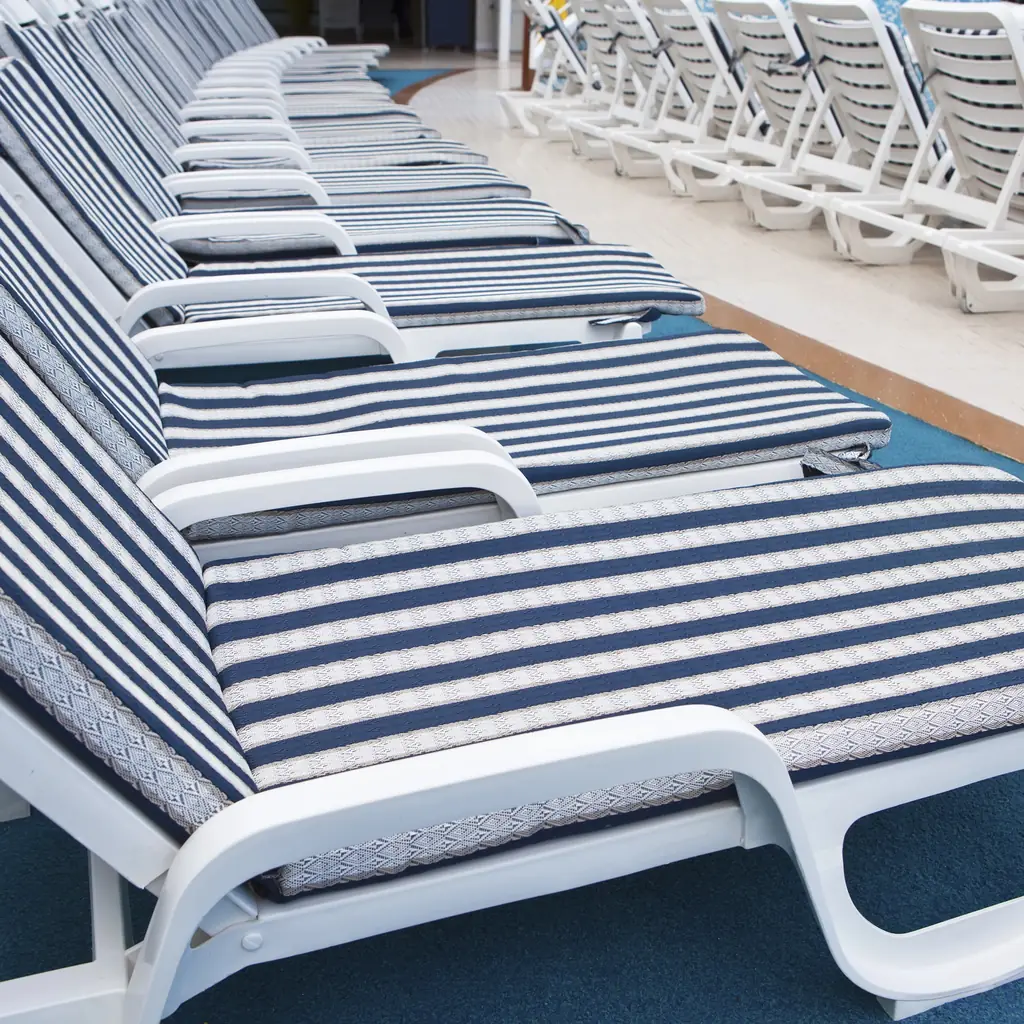
The pool deck is the loudest ceiling on the ship, and the noise starts before sunrise. Crew hose the deck and drag the loungers back into rows, and the scrape of metal legs travels straight into the cabin below. The buffet usually shares the deck, so trolleys join in before breakfast.
Look at the deck above, not just your own. A cabin guide to Oasis of the Seas names Deck 14, directly under the Deck 15 pool area, as consistently noisy (Cruise Booking).
A jogging track overhead adds a steady thump from six in the morning, and forum regulars describe the vibration reaching two decks down.
2. Directly above the theater, the nightclub or the late lounge
The problem below a cabin is bass. A show band or a club DJ plays until midnight or later, and low notes travel through steel in a way a wall cannot block. Light sleepers describe feeling the beat in the mattress before they hear it.
The same Oasis guide lists Deck 6 cabins 6130 to 6164 and 6530 to 6564 as the ones most affected by the main theater beneath them. Those are one ship’s numbers. Find the venue on the plan, then look one deck up.
Ask what the blank spaces are. A large unlabeled area with no cabin numbers is usually a venue ceiling, a galley or a crew space.
3. Beside the elevator lobby or opening onto the atrium
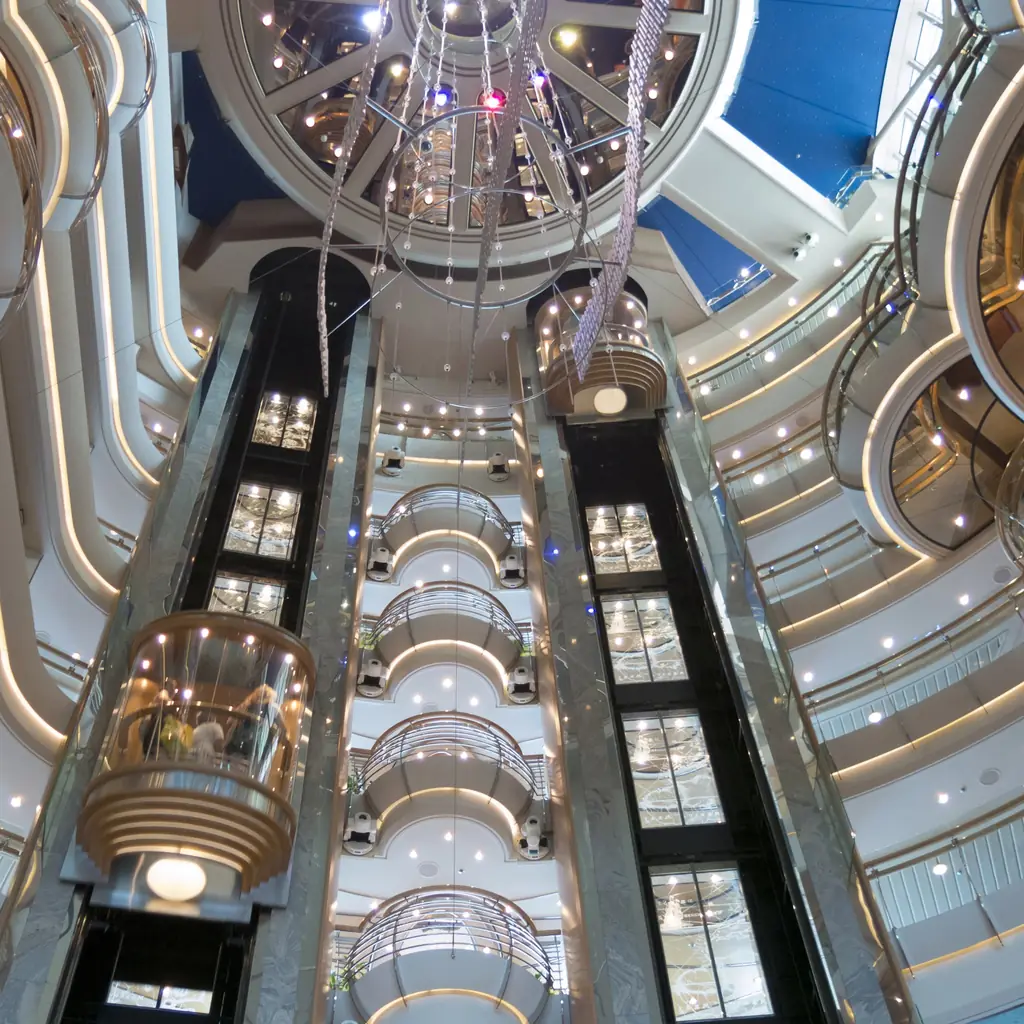
Elevator lobbies look convenient on a deck plan. In practice they are where groups gather and chat at midnight, and where every car announces itself with a chime. Cabins facing the lobby hear all of it.
Atrium-facing cabins have a different problem: the atrium is a vertical sound channel. A piano trio on Deck 5 drifts up to inside cabins on Deck 8 with the door closed.
Better move: choose a cabin two or three doors down the corridor from the elevators. You keep the short walk without the lobby outside your door. The midship “hump” cabins on some Royal Caribbean ships get this right, and they have their own entry below.
4. Across the hall from the self-service laundry room
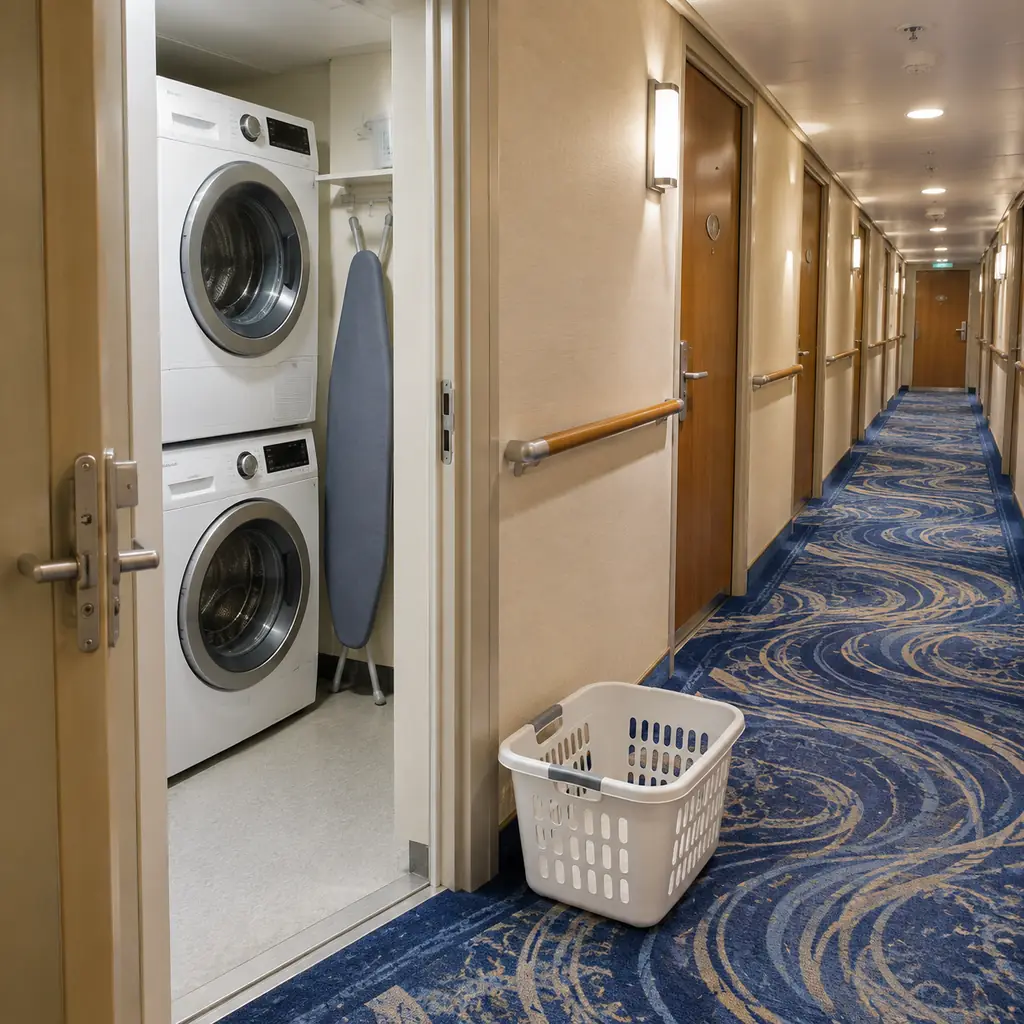
On ships that have self-service laundry rooms, they sit on cabin decks in a small room off the corridor. Dryers rumble and the door bangs. Cruise Mummy’s list of cabin locations to avoid describes people coming and going at all hours and talking outside the door (Cruise Mummy).
Spot it on the plan. The room appears as a small washing-machine or iron icon in the legend, often labeled “launderette.” Lines such as Carnival and Princess generally have them; check your ship’s legend rather than assuming.
Six or eight cabins away, the corridor traffic disappears and the machines are inaudible.
5. Next to a crew door or a housekeeping pantry
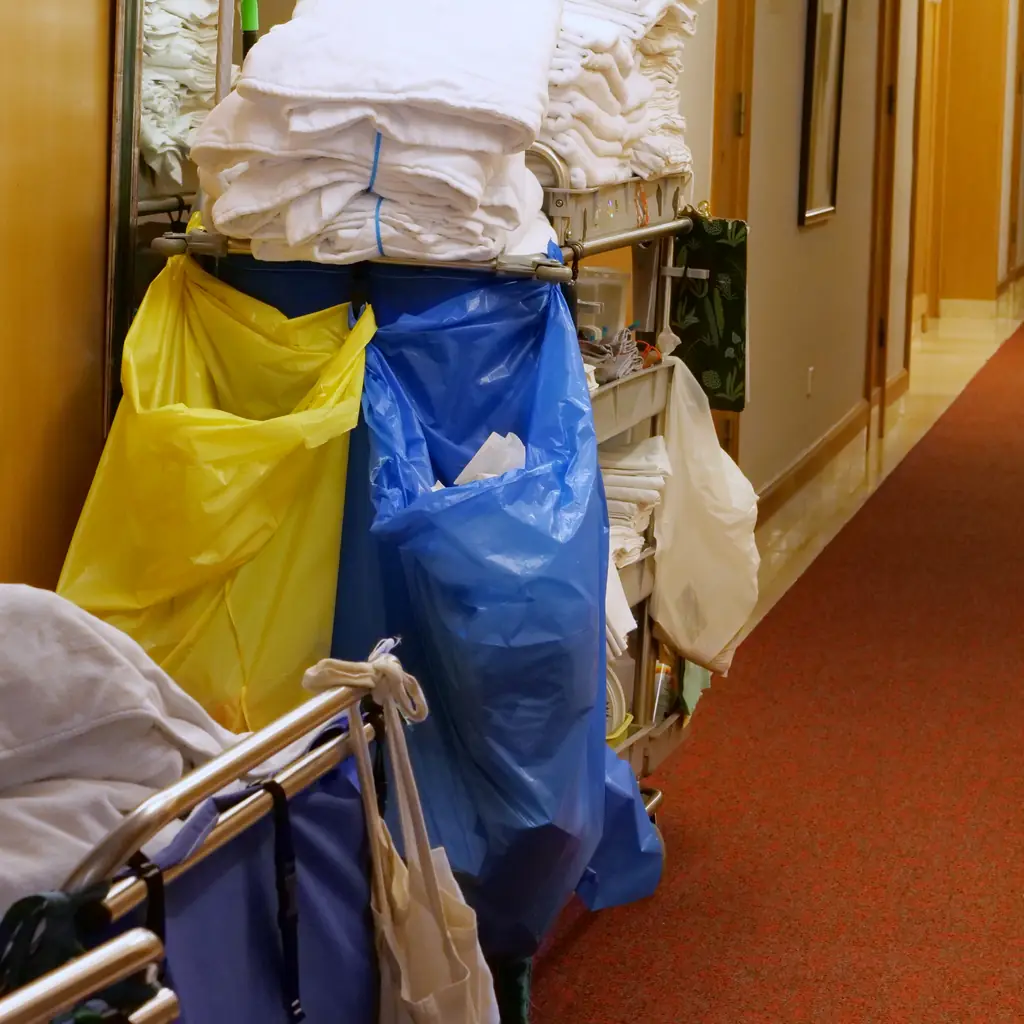
Every cabin corridor has doors marked “Crew Only.” Behind one of them is usually the housekeeping pantry where carts are loaded and vacuums are stored. The cabin beside it hears the cart wheels at seven, the vacuum at ten and the door latch all day.
What to look for: a crew door shows on the plan as a small unlabeled room or a gap in the numbering between two cabins.
Ask the line or your agent what is behind a gap before you book next to it. Sometimes it is a linen store nobody opens after breakfast, and sometimes it is the ice machine.
6. Far forward on a low deck, over the anchor and the thrusters
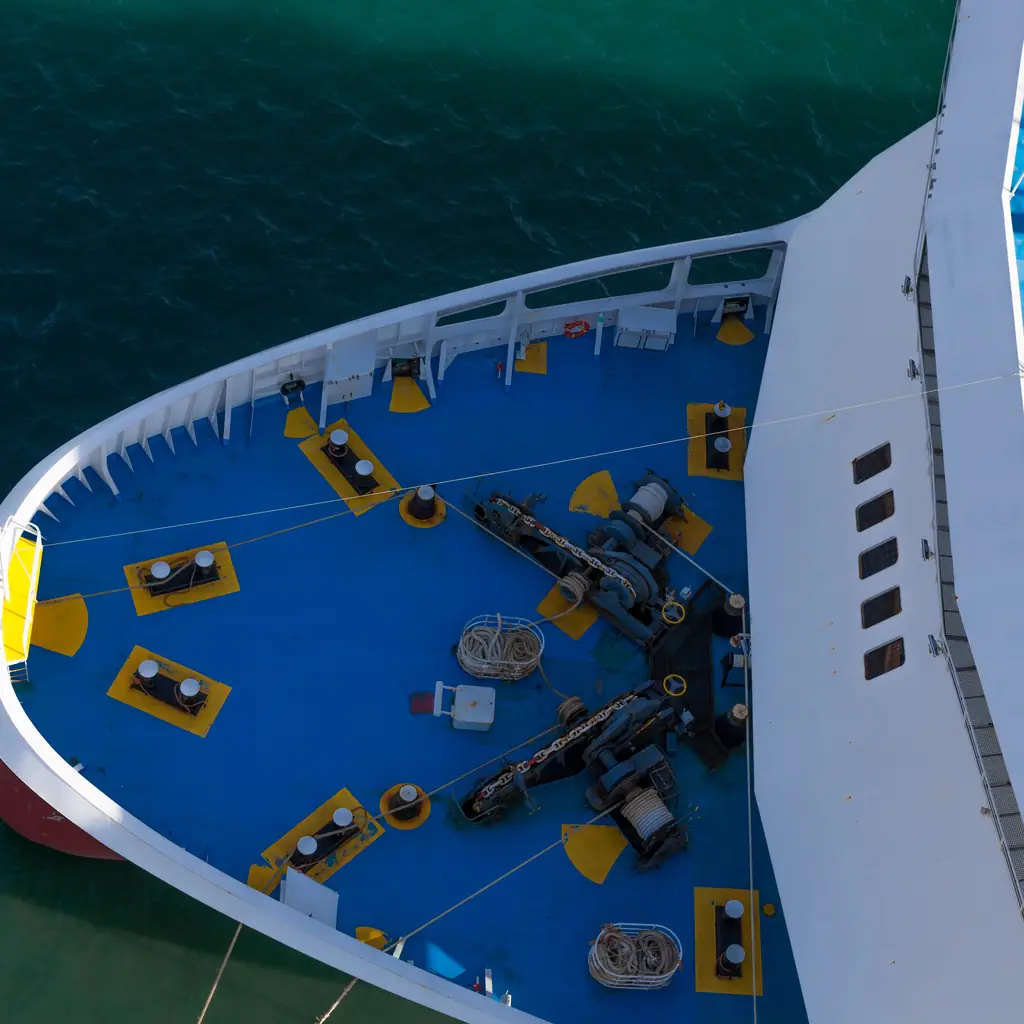
The front of the ship holds two things that make noise at the worst hour. The anchor chain runs out when a ship arrives at a tender port, often before six in the morning. Bow thrusters push the ship sideways against a pier and vibrate the forward hull for ten or twenty minutes on every docking.
Cruise Mummy’s guide describes the early anchor drop as a metal-on-metal clang that jolts people awake (Cruise Mummy).
Quick check: find the bow on the lowest cabin deck of the plan. The first ten or so cabins back from it, on the two lowest cabin decks, are the ones to skip when the itinerary has early tender ports.
7. The highest, most forward cabins when motion worries you
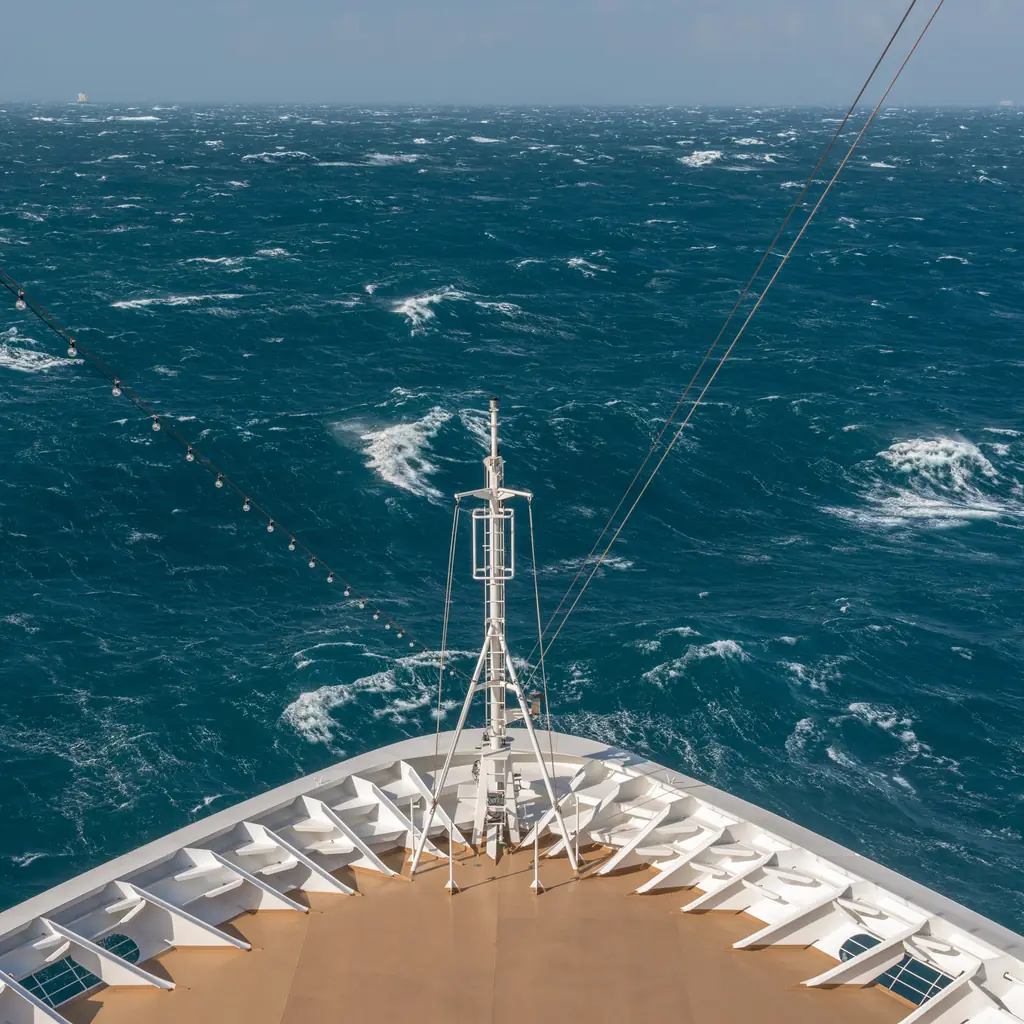
A ship pivots roughly around its middle. The bow rises and falls the most, and the higher the deck, the longer the arc each roll traces. A forward cabin on the top cabin deck therefore moves more than any other position on the ship.
This is general motion guidance, not medical advice. Stabilizers reduce roll in most conditions. But passengers who know they feel motion generally avoid forward and high positions, and the Oasis guide notes that high forward cabins feel more movement in rough seas.
Forward-facing balconies add a second issue. At cruising speed the wind makes them hard to use, so the premium view is mostly a port-day view.
8. The low cove balcony on a rough-water itinerary
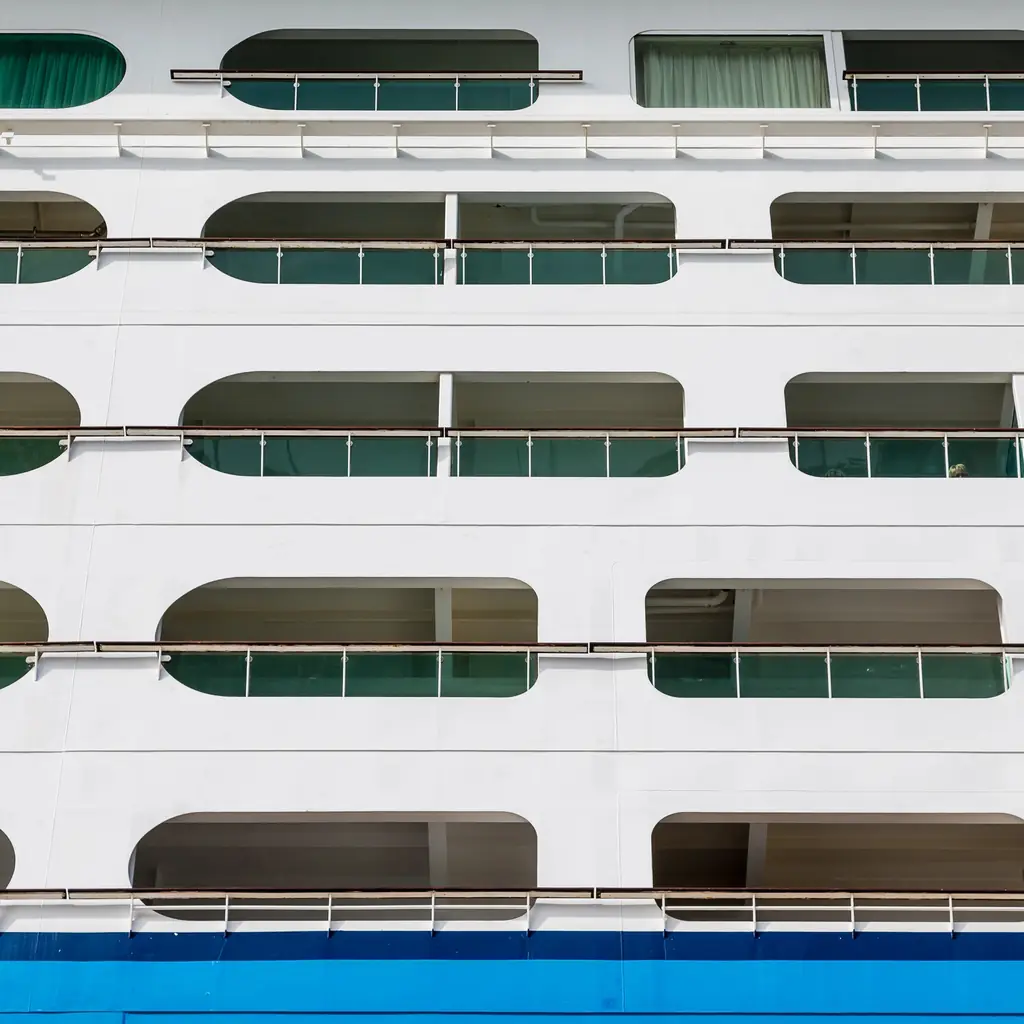
Carnival’s Cove Balcony cabins sit on Deck 2 or Deck 5, cut into the hull with solid steel sides and a lifeboat overhead (Cruise Mummy). Fans like the privacy, the shade and the sound of the water a few yards below.
The catch is weather. In a following sea the spray reaches the balcony, the chairs stay wet and salt crusts on the rail. In rough conditions the crew close the steel storm doors until the sea settles.
Match the cabin to the route. A cove on a calm Caribbean week is a bargain. A cove on a winter crossing in a swell can be a sealed window for three days.
9. The "partially obstructed" balcony with a lifeboat at eye level
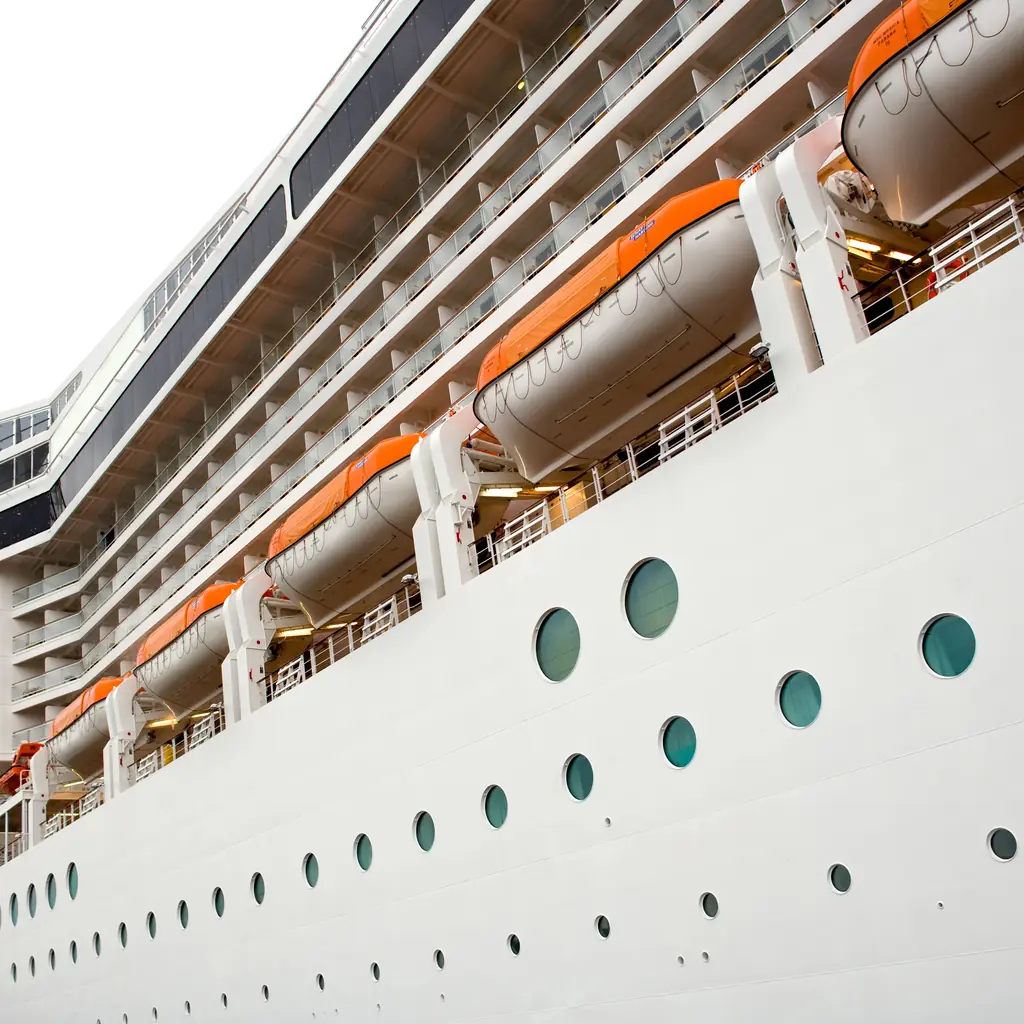
Lines sell obstructed-view balconies at a discount. The question is how much view the obstruction takes. Princess defines the view from the balcony railing and says obstructions do not include items like handrails, dividers or ship hardware (Princess Cruises). What the definition does include is the lifeboat.
A lifeboat hung below the railing leaves you the horizon. One hung at eye level leaves you orange fiberglass. The deck-plan legend tells you whether the symbol means partial or full.
Price it against a plain window. An obstructed balcony often costs more than an oceanview two decks down with a clear view. Before you pay for the door, work out what the balcony costs per night.
10. The big extended balcony that the deck above can see into
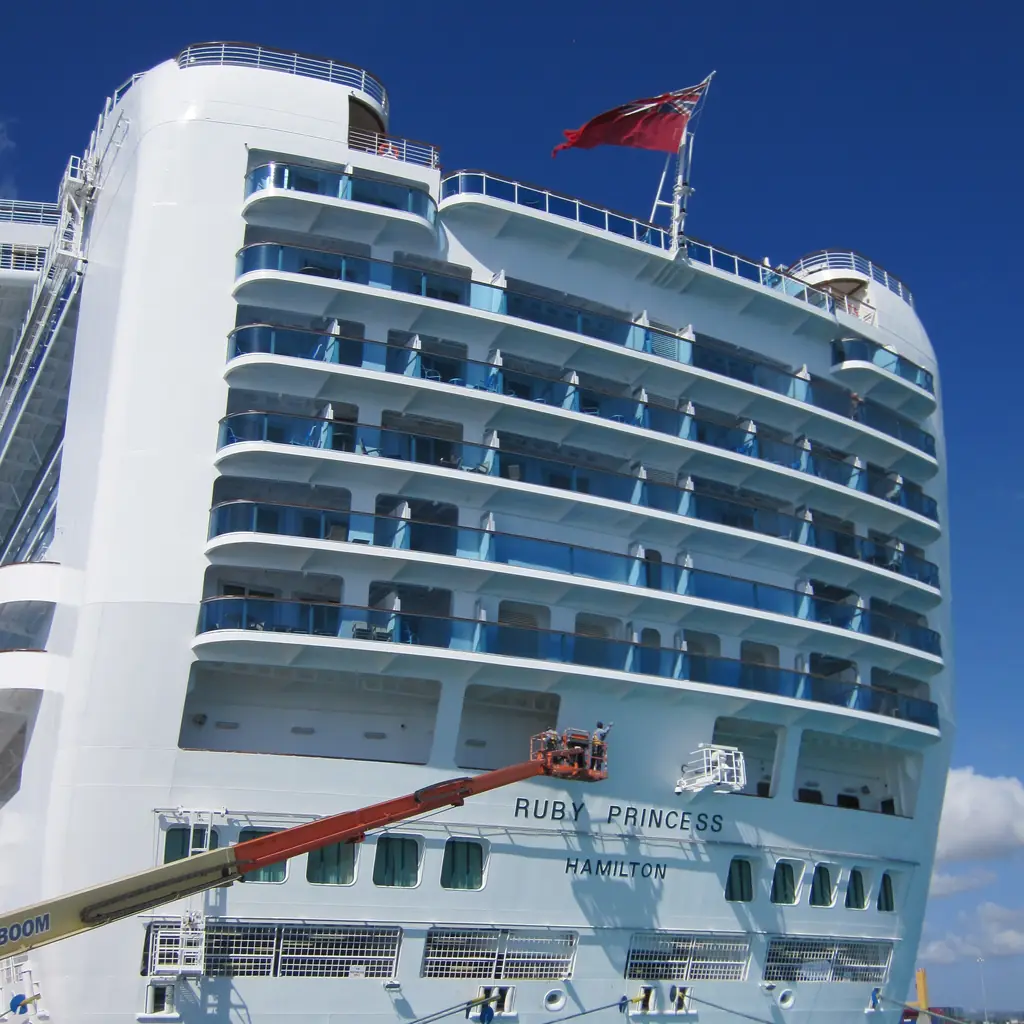
Some of the largest standard balconies stick out past the line of the hull. On Princess’s Grand-class ships, regulars on cruise forums single out the Caribe deck: half of each balcony is covered, half is open, and together they are the largest balconies outside the suites (Cruise Addicts). The decks above are fully covered and set back.
That geometry means the open half is visible from every balcony above it. You get the sun; they get a view of your breakfast.
Decide which half you want. Readers in the shade get an excellent deal. Sunbathers who want privacy should take a smaller covered balcony a deck up.
11. The Boardwalk balcony under the late AquaTheater movie
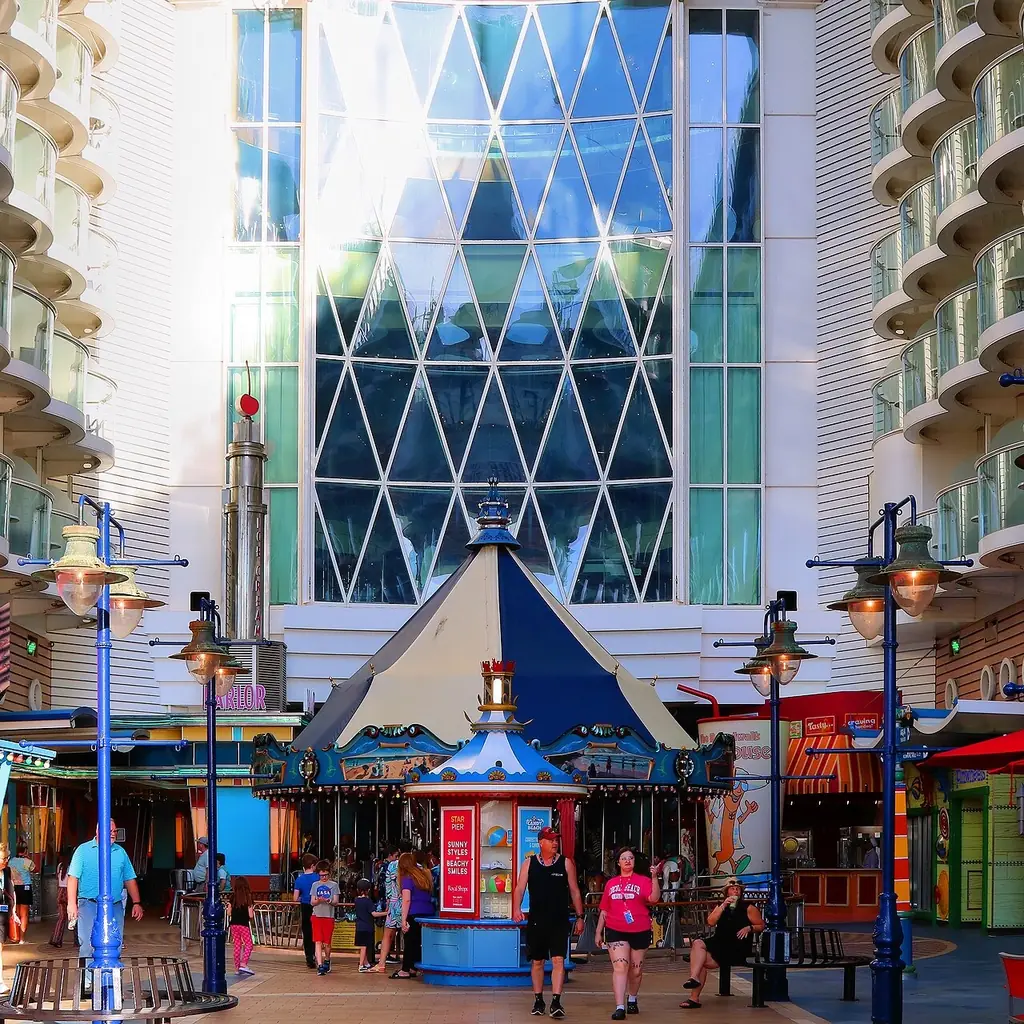
Royal Caribbean’s Oasis-class ships sell neighborhood balconies that face inward over the Boardwalk or Central Park instead of the sea. The aft-facing Boardwalk cabins look straight at the AquaTheater.
Cruise Fever’s review of one on Allure of the Seas found the dive shows manageable because they ran early, but movies on other nights could be heard in the cabin, sometimes until 1 a.m. (Cruise Fever). The balconies also face other balconies, so curtains stay closed.
Watch for: a guarantee booking can land here without asking. Royal Caribbean’s terms say Oasis and Icon class guests may be assigned a Neighborhood View Balcony based on availability (Royal Caribbean). Central Park faces a garden rather than a stage and is the quieter of the two.
12. The cabin with a connecting door you did not ask for
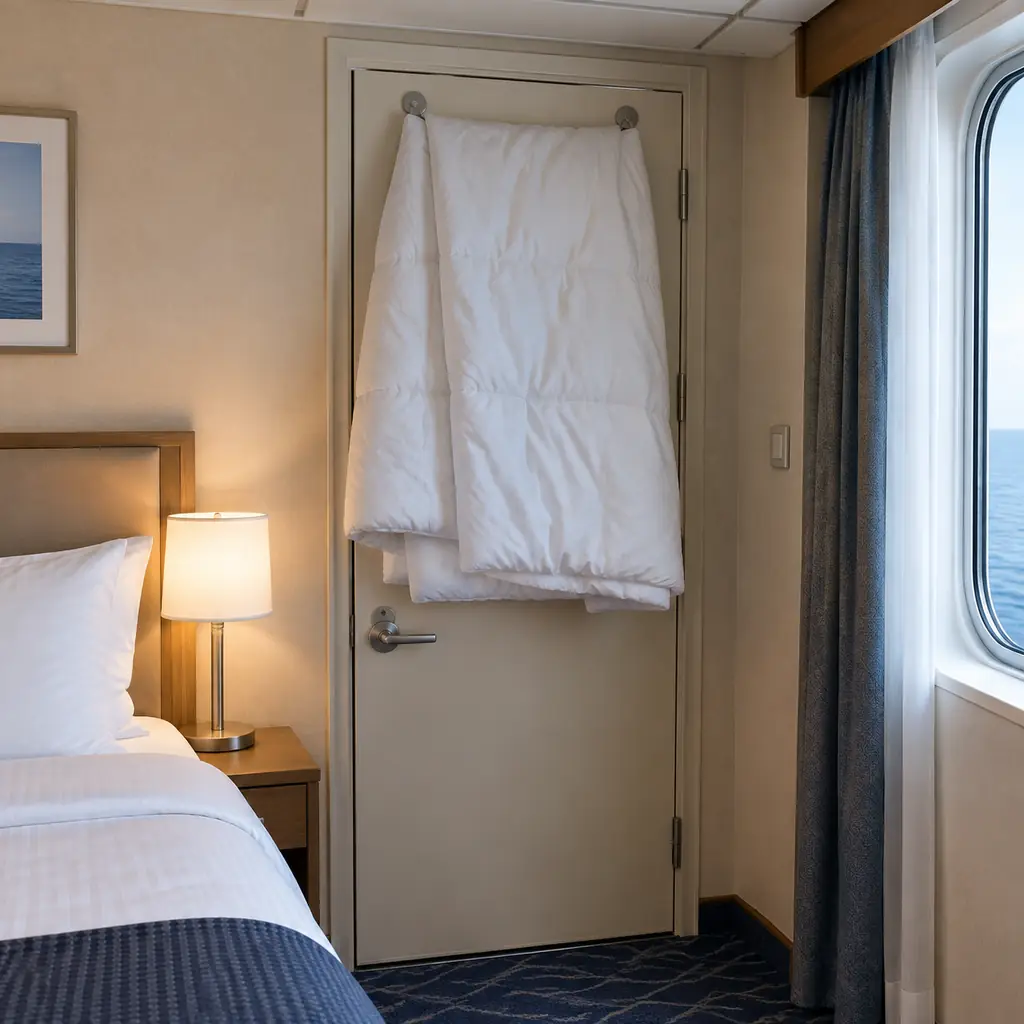
Connecting cabins are wonderful when you book both sides; book one side and you share a door with strangers. The door is thinner than the wall, so television and a crying toddler come through.
A Royal Caribbean passenger’s complaint about three young children heard through a connecting door circulated widely in 2026, and the advice that followed was blunt: do not book one unless you are booking the other room too (Cruise Mummy). Icon of the Seas and Star of the Seas now use exterior hallway doors for connecting rooms instead (Fox News).
Check the plan for the door symbol, usually a small arrow or bracket between two numbers. If you are already in one, the magnetic hooks that experienced cruisers pack will hold a spare comforter over the door as a baffle. Grandparents sailing with the grandkids are the exception; they book both sides.
13. The family corridor by the kids club on a holiday sailing
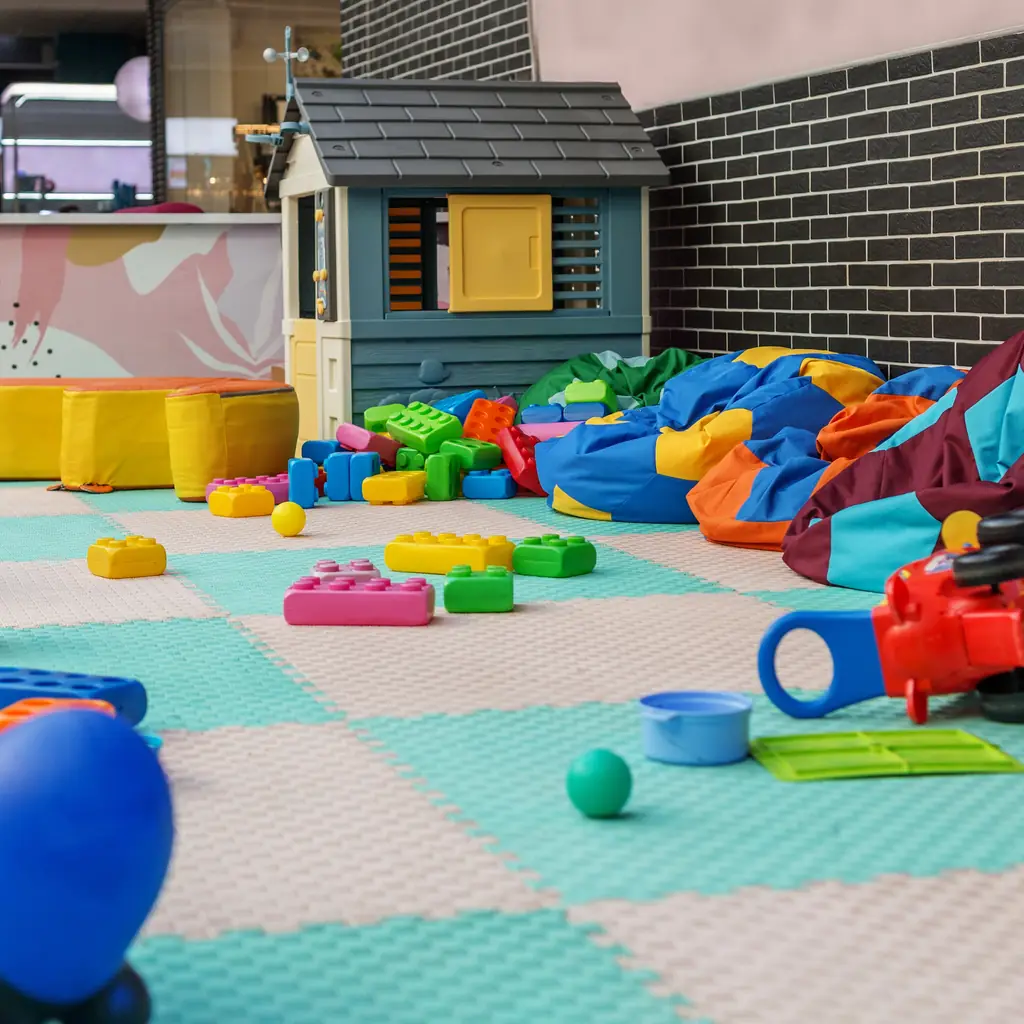
Kids clubs sit on a specific deck, and the cabins around them fill with families because the walk is short. On a holiday sailing it becomes the busiest corridor on the ship, with cabin doors opening and closing from seven in the morning until the club closes.
Check the dates before the deck. Thanksgiving falls on Thursday, November 26, 2026, and the sailings on either side of it carry more children than almost any other week. The same is true over Christmas and spring break.
If you are not traveling with children, book a deck or two away from the club. If you are, the opposite applies, and what cruising over Thanksgiving, Christmas or New Year’s is really like covers the rest.
14. The Lanai cabin that opens onto the walking deck
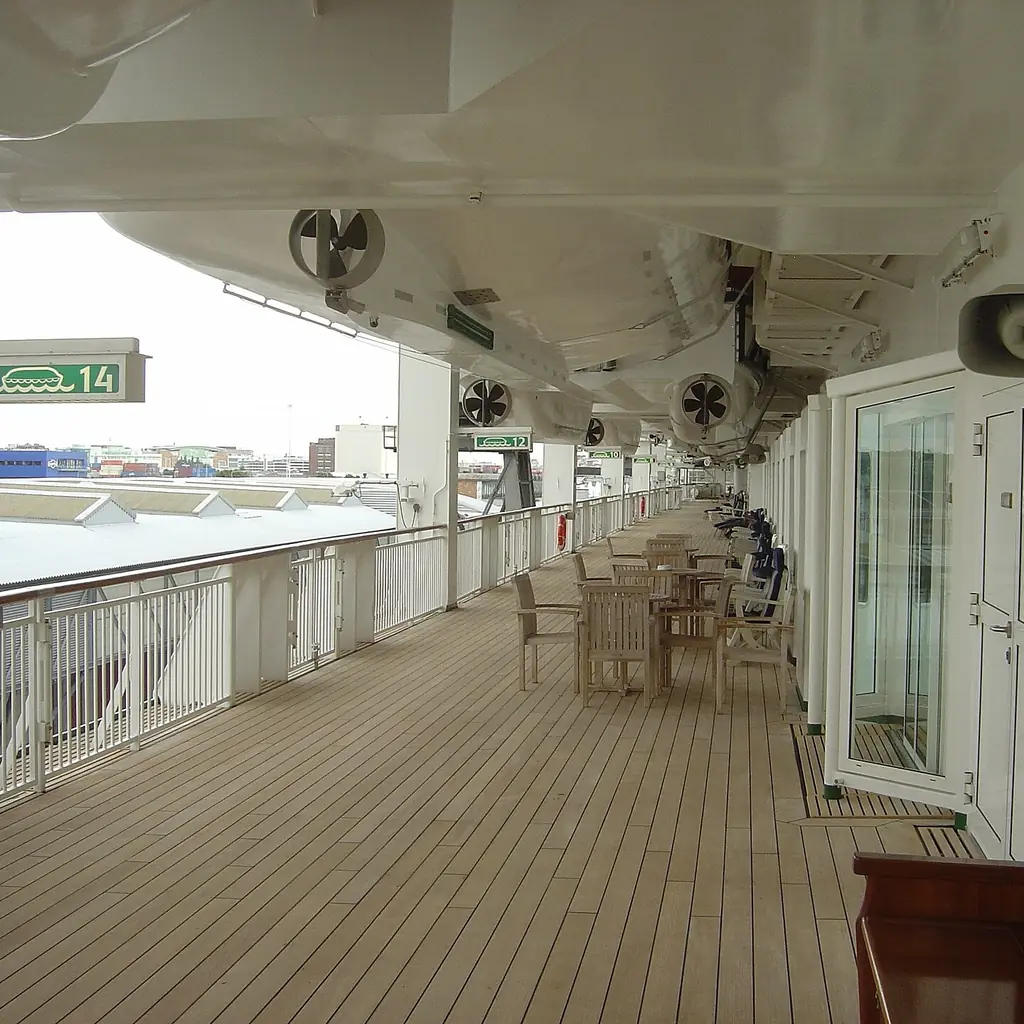
Holland America’s Lanai staterooms, on ships such as Volendam, replace the window with sliding glass doors that open onto the Lower Promenade, the teak walking deck that circles the ship, with reserved deck chairs outside (Cruise Industry News).
The glass has a one-way mirrored coating for privacy. Even so, the walking deck is a public space a few feet from the bed, and many passengers who have tried a Lanai say they kept the curtain closed after dark and heard the morning walkers pass.
Who should ask for one: someone who will use those deck chairs at six in the morning and does not mind foot traffic. Anyone who wants a balcony where nobody passes should pay for a veranda.
15. The aft balcony, as its critics remember it

Regulars split on aft balconies, and the critics have a list. Life Well Cruised’s rundown puts the complaints in order: thrusters and reversing engines make the stern shudder on every docking, some passengers wake to a film of soot on the furniture, and the cabin sits at the end of the longest corridor on the ship (Life Well Cruised).
The soot depends on the wind and the ship. The vibration does not; it comes whenever the propellers work hard, which on a port-intensive itinerary means early every morning.
The walk matters more than it sounds. Stern to theater is several hundred feet on a large ship, several times a day. Knowing where the dining room sits relative to your bed is one of the dining habits that separate regulars from first-timers.
16. The Infinite Veranda booked as if it were a balcony
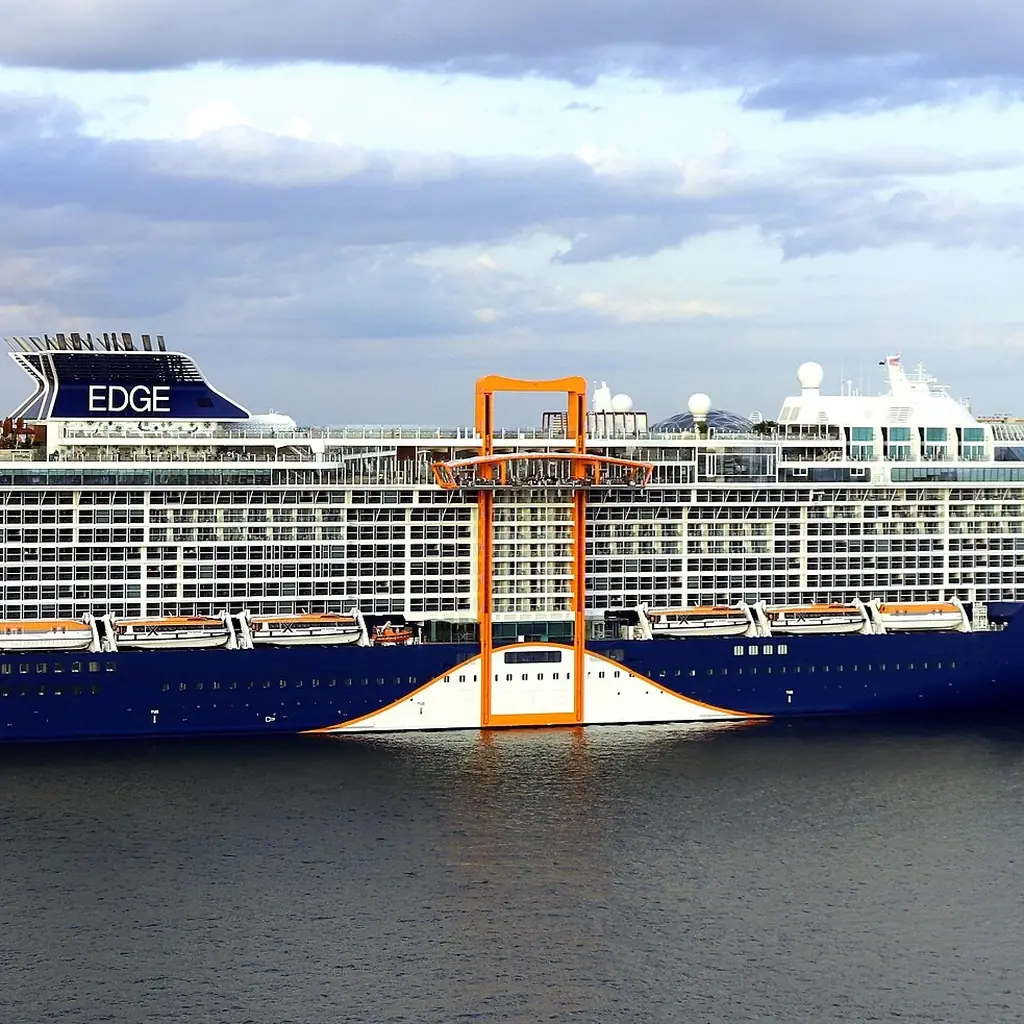
Celebrity’s Edge-class ships sell most of their balcony-grade cabins as Infinite Verandas. The top half of the floor-to-ceiling window lowers at the press of a button, and the whole cabin becomes the veranda. Celebrity says the rooms are 23 percent larger than its Solstice-class veranda cabins (Emma Cruises).
The window takes around 20 seconds to open, the mechanism is noisy, and the air conditioning cuts out while it is open. Celebrity’s president called the design “very polarizing” in 2024 and said the line is re-evaluating the ratio on future ships (Cruzely).
Know which one you booked. The two types carry different category codes on Edge-class plans. Passengers who want to sit outside with a door closed behind them should book a traditional veranda.
17. The guarantee cabin on a ship you have never sailed
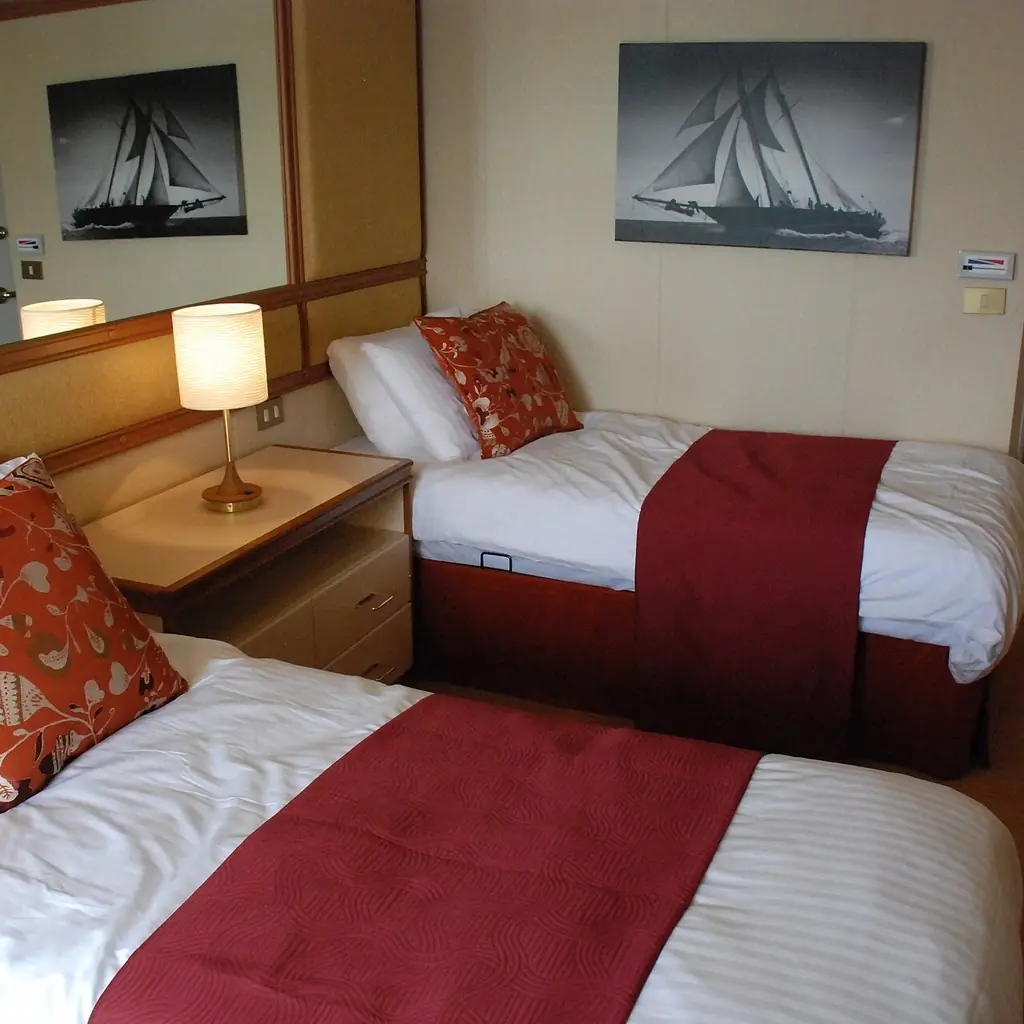
A guarantee fare buys a category, not a position. Royal Caribbean’s terms say the stateroom can be allocated at any time up until check-in at the port, that it may have an obstructed view, and that guests on guarantees may not be placed near companions on a separate booking (Royal Caribbean). Norwegian’s Sail Away fares work the same way: the guest cannot select the cabin location (Direct Line Cruises).
So every position in items 1 through 12 is a possible assignment. Once a number is issued, a change request depends on what is unsold and has low odds on a full ship (Cruise Bite).
When regulars still book one: on a ship where they would be happy anywhere in the category and when the saving is real. Where status gives upgrade priority, the loyalty perks longtime passengers chase are a more predictable route.
18. A low midship cabin, even an inside one, for the steadiest night
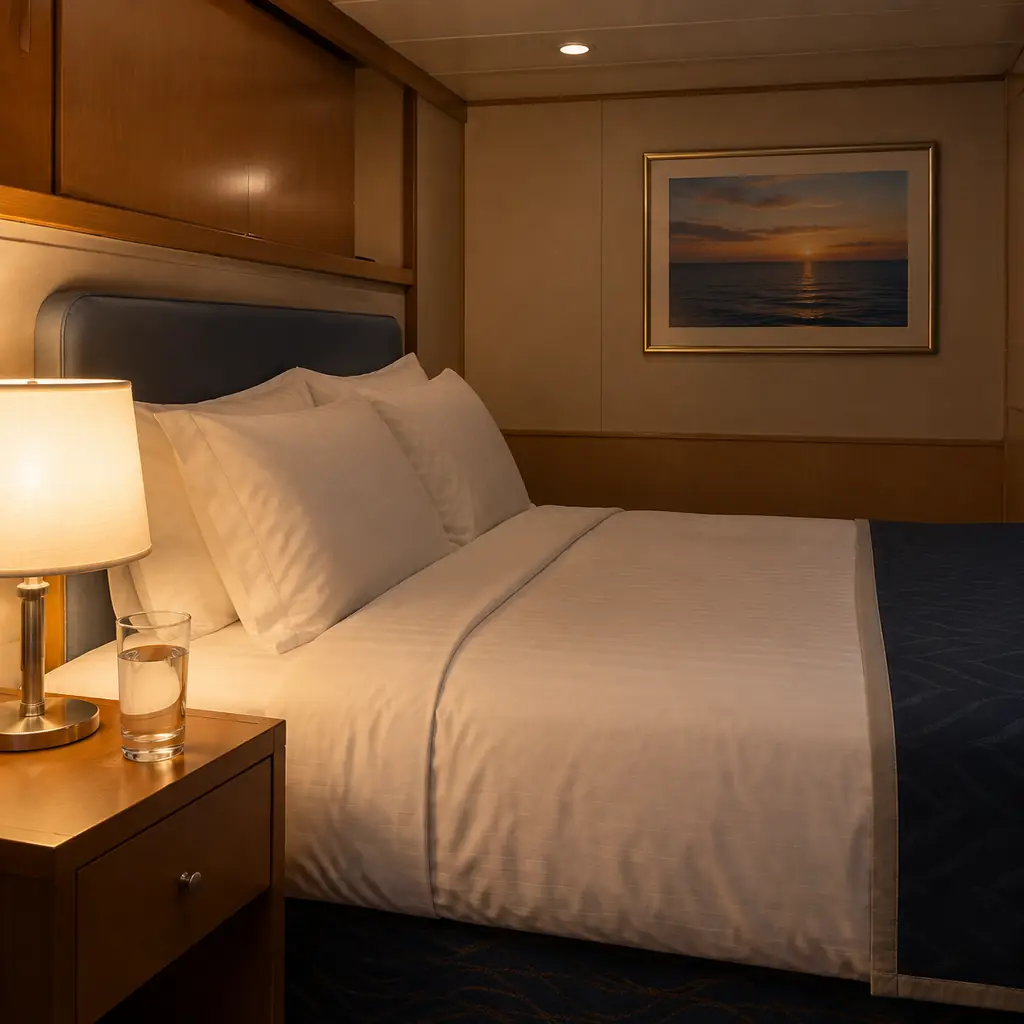
The cabin regulars recommend to a nervous first-timer is rarely expensive. It is a low deck, as close to the middle of the ship as the plan allows, often an inside or an oceanview. The ship pivots around its middle, so that position traces the smallest arc in a swell. This is general motion guidance, not a promise.
An inside cabin there has no window to let in the dawn, so people who struggle to sleep on a bright ship sleep late.
On the plan: pick a cabin in the middle third of your deck, then read the decks above and below, because a midship cabin under the pool is still under the pool. First-timers should read the other first-cruise mistakes that spoil a vacation beside the deck plan.
19. A cabin with staterooms above and below it on all three plans
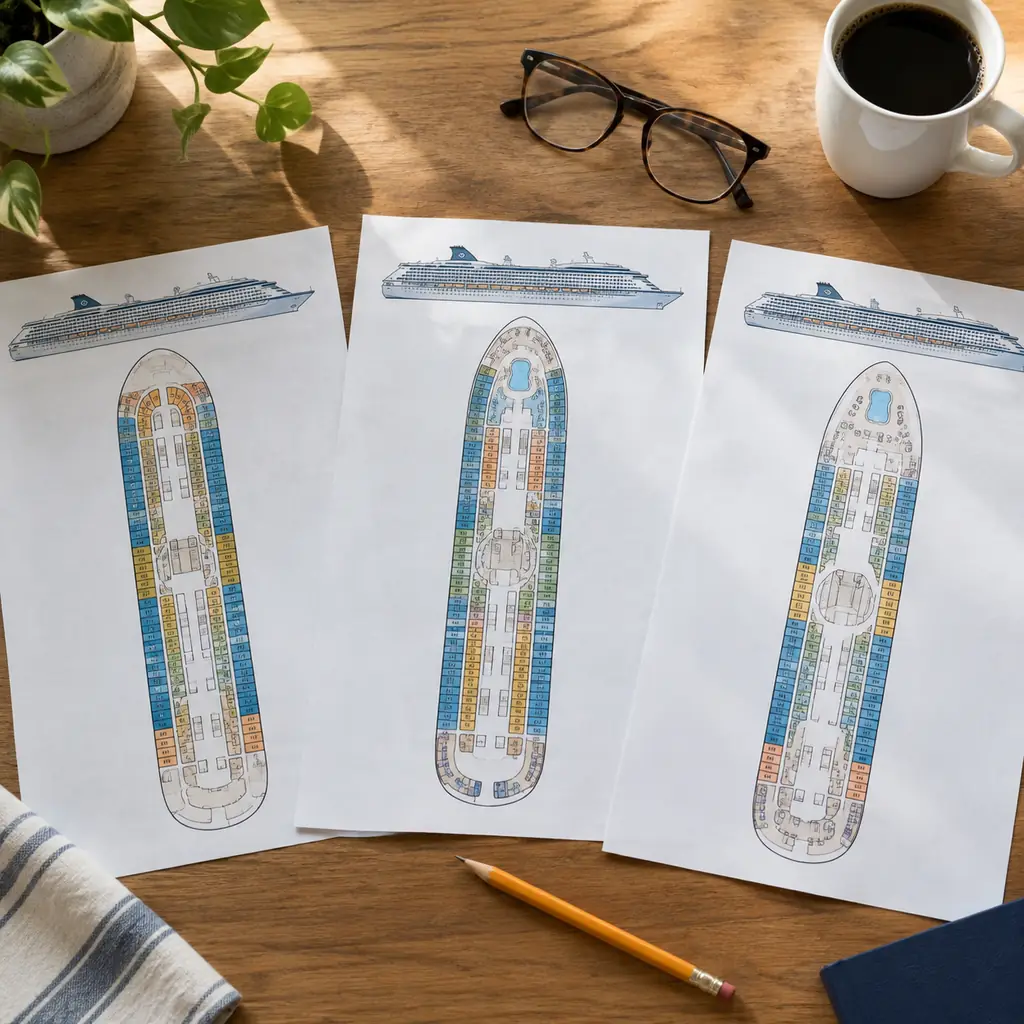
Open the plan for your deck, the deck above and the deck below, and book only where all three show cabins. A cabin sandwiched between two cabin decks cannot be under the pool, over the theater or beside anything that opens at six.
Then read the legend. Dotted or shaded outlines mark obstructed views on most plans, a bracket or arrow between two numbers marks a connecting door, a small icon marks the laundry room, and a blank unnumbered space on a cabin deck is a crew area.
Use the line’s own current plan, not a screenshot. Ships are refitted and venues move. On Oasis of the Seas, the guide cited above points to Decks 10, 11 and 12 as the ones with cabin decks above and below.
20. A low-deck cabin near the gangway on a port-heavy itinerary
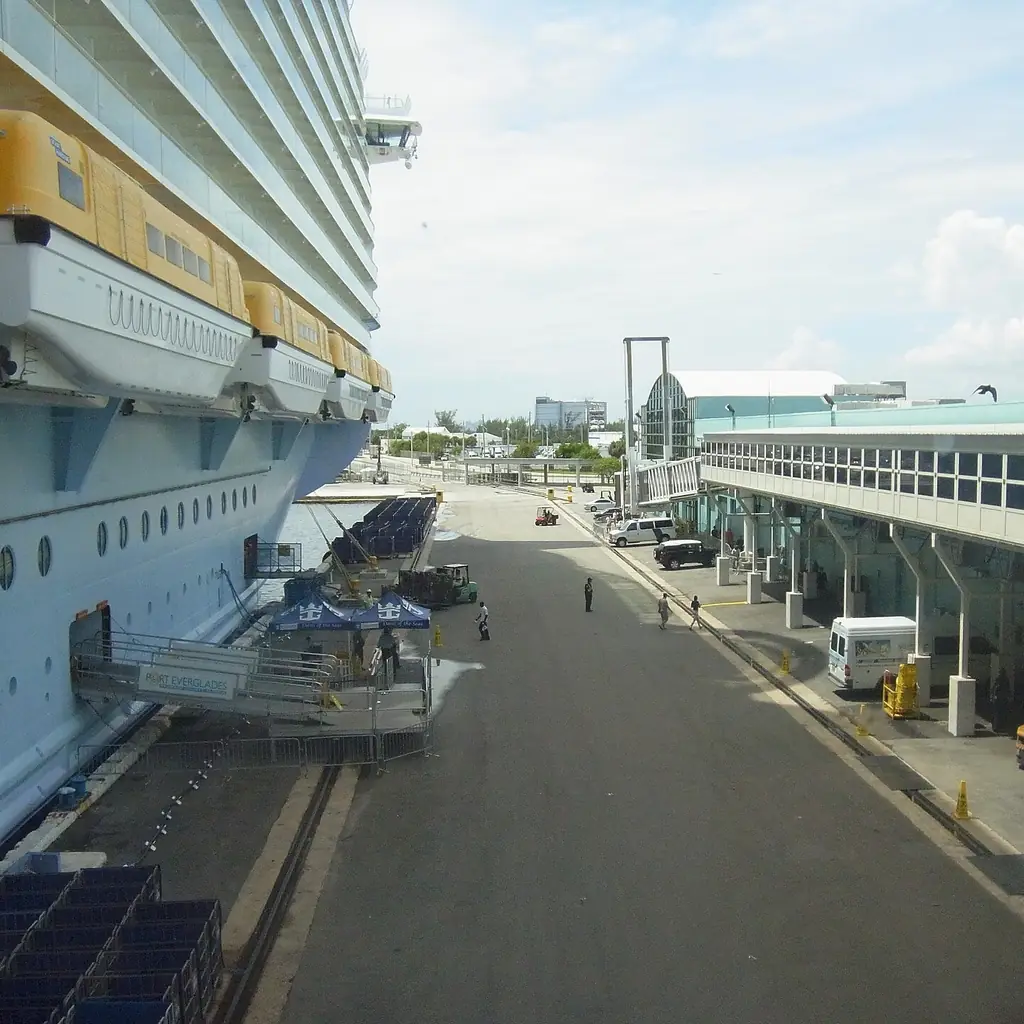
On a seven-night itinerary with five port days, the walk off the ship matters more than the walk to the pool. On most large ships the gangway and the tender platform open from a low deck near the middle. A cabin two decks up and a few doors from the midship stairs puts you ashore in minutes.
Regulars on port-intensive routes, such as the Greek islands or a Caribbean week with tender stops, often book an oceanview on the lowest cabin deck for this reason. It is also among the cheapest outside cabins.
One caution: the lowest cabin decks also hold the anchor and the thrusters forward. Low and midship is the sweet spot; low and far forward is the cabin from item 6.
21. The hump balcony on Voyager, Freedom and Radiance class ships
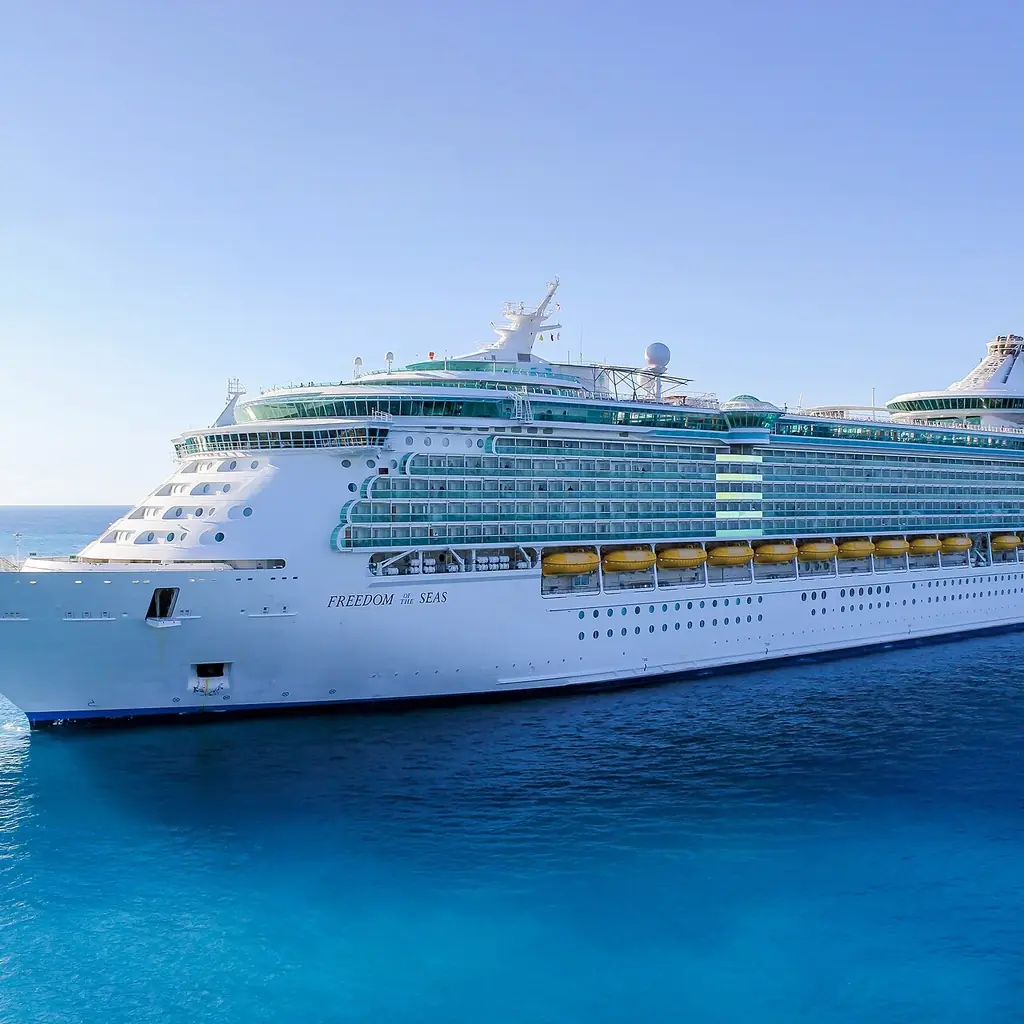
On the deck plans for Royal Caribbean’s Voyager, Freedom and Radiance class ships, the side of the ship bulges outward around the midship elevator tower. Regulars call it the hump and book its balconies by name. Because the hump sticks out past the hull line, the balconies in the middle of it see forward and aft along the ship as well as out to sea, and the lifeboats are not directly below (Cruise Addicts).
Hump cabins also sit a short walk from the elevators without the lobby outside the door, the balance item 3 asked for.
Caveat on size. Forum regulars say the Radiance-class hump includes some larger balconies, while on Voyager and Freedom class the balcony matches its neighbors and the angle is the whole gain.
22. Starboard northbound to Alaska, and why the Panama Canal matters less

On a one-way Alaska cruise the side matters. Northbound from Vancouver, the mainland and most glaciers sit to starboard; southbound, they sit to port (Cruise Mummy). At Hubbard Glacier ships typically turn a full circle, and in Glacier Bay the National Park Service says ships spend a full hour at a tidewater glacier (National Park Service).
The Panama Canal is the opposite case. Cruisebound notes that since the expanded locks opened, the side matters far less than people expect, and it recommends the open decks and the bow over any balcony (Cruisebound).
Sunset side depends on heading, not the itinerary name. Sailing north, the sunset is to port; sailing south, to starboard. Confirm which glaciers the route includes first; some Alaska cruises miss the glaciers passengers assume they will see.
23. An accessible cabin near a midship elevator, booked through the access desk
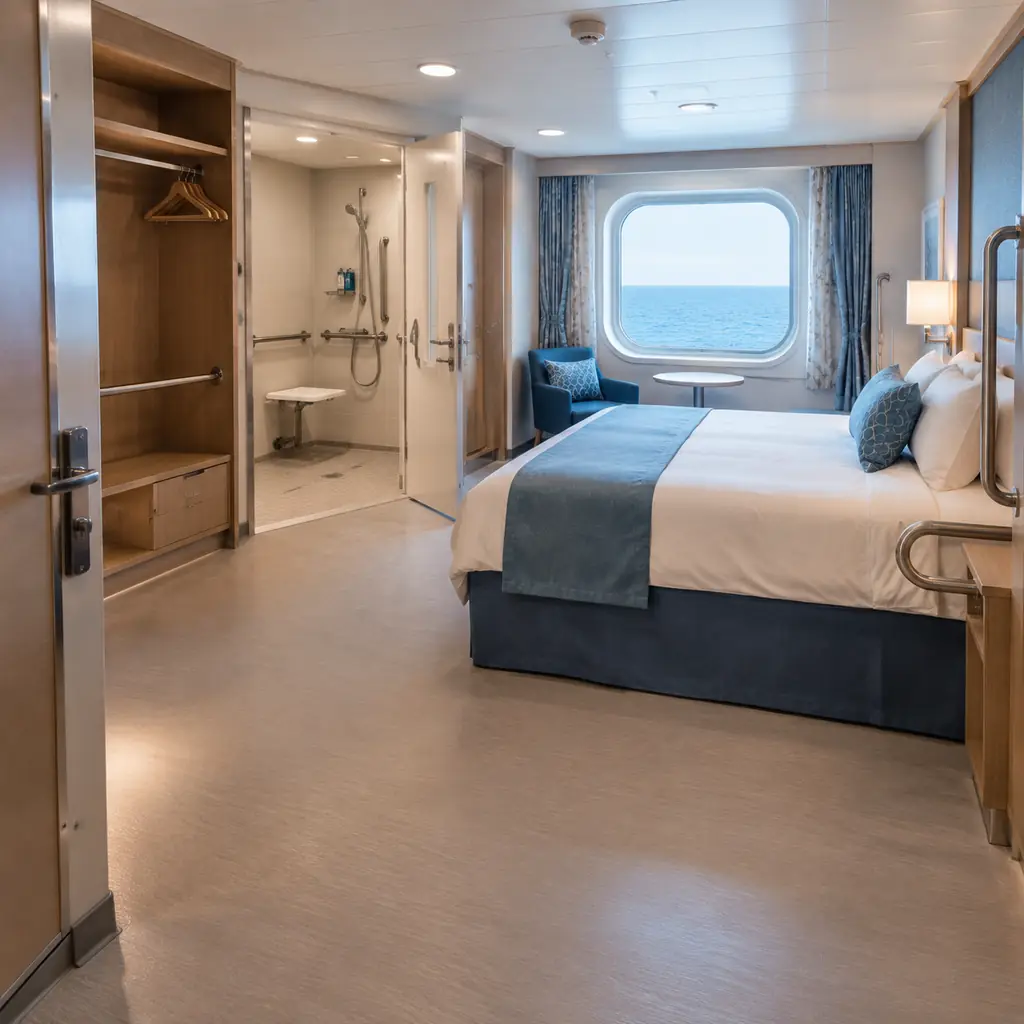
Accessible cabins are not just wider. Royal Caribbean’s accessible staterooms have doors 32 to 34 inches wide, a five-foot turning radius in the sleeping, sitting and bathroom areas, ramped thresholds and roll-in showers, and the line says many are located near elevators (Royal Caribbean).
On older ships, position matters as much as the room. A cabin at the far end of a long corridor adds several hundred feet to every trip to the elevators.
Book it the right way. Ask the access desk for the accessible cabins closest to a midship elevator bank, and submit the special needs form early; Royal Caribbean asks for it at least 30 days before sailing. Then walk the route to the places you will use most on the first afternoon.
24. The aft-wake balcony, as its fans book it
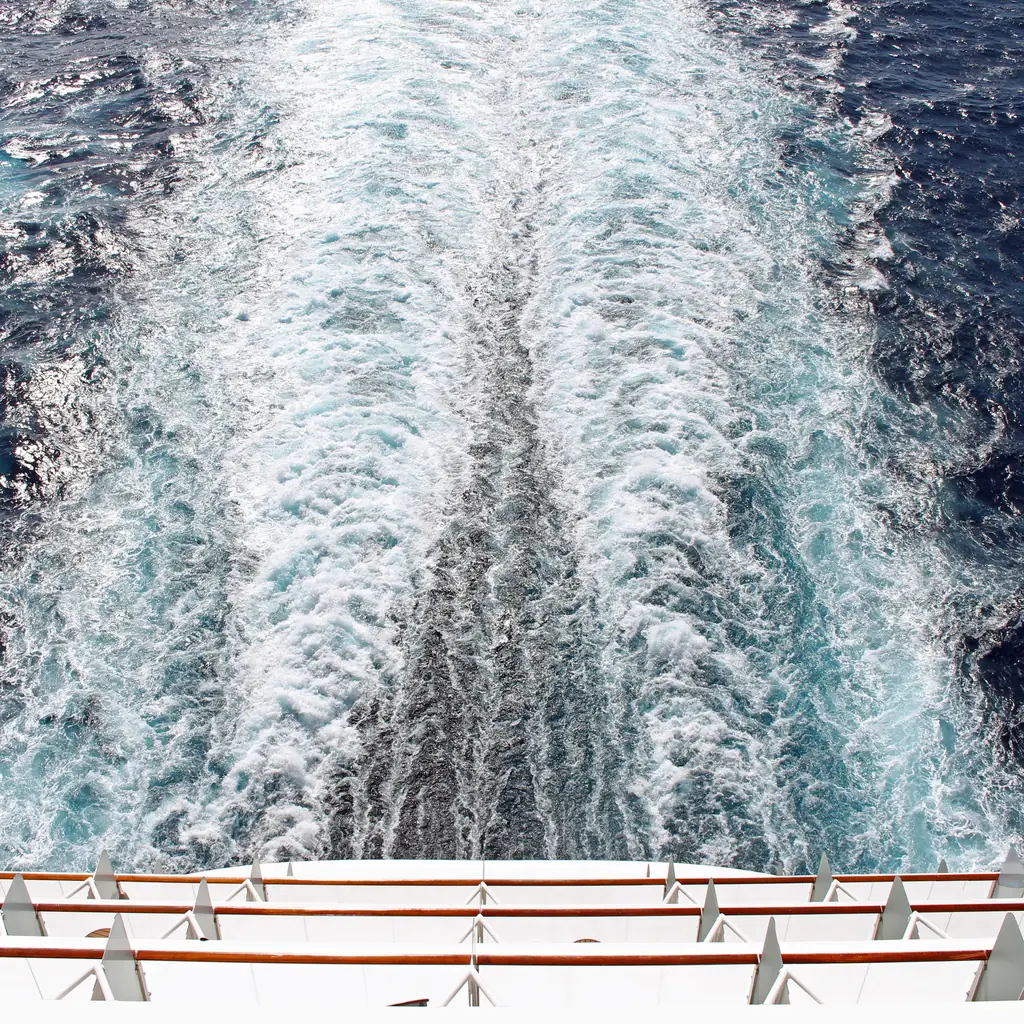
Now the defense. Aft-facing balconies are usually deeper than side balconies, sometimes double the size, and they look over the wake rather than at the sea sliding past (Life Well Cruised). The stern is away from the elevators, the pool and the atrium, so the corridor is quiet.
The vibration lasts for the docking and then stops, and the soot is occasional and wipes off. The walk is exercise, and on ships with the main dining room aft, dinner is close. Many regulars book nothing else, and aft cabins sell out first.
Who it suits: passengers who spend their time on the balcony rather than at the pool, do not mind an early shudder, and book early. Anyone who wants the quickest route to the gangway should look midship.
25. The wrap-around aft corner balcony regulars book the day the schedule opens
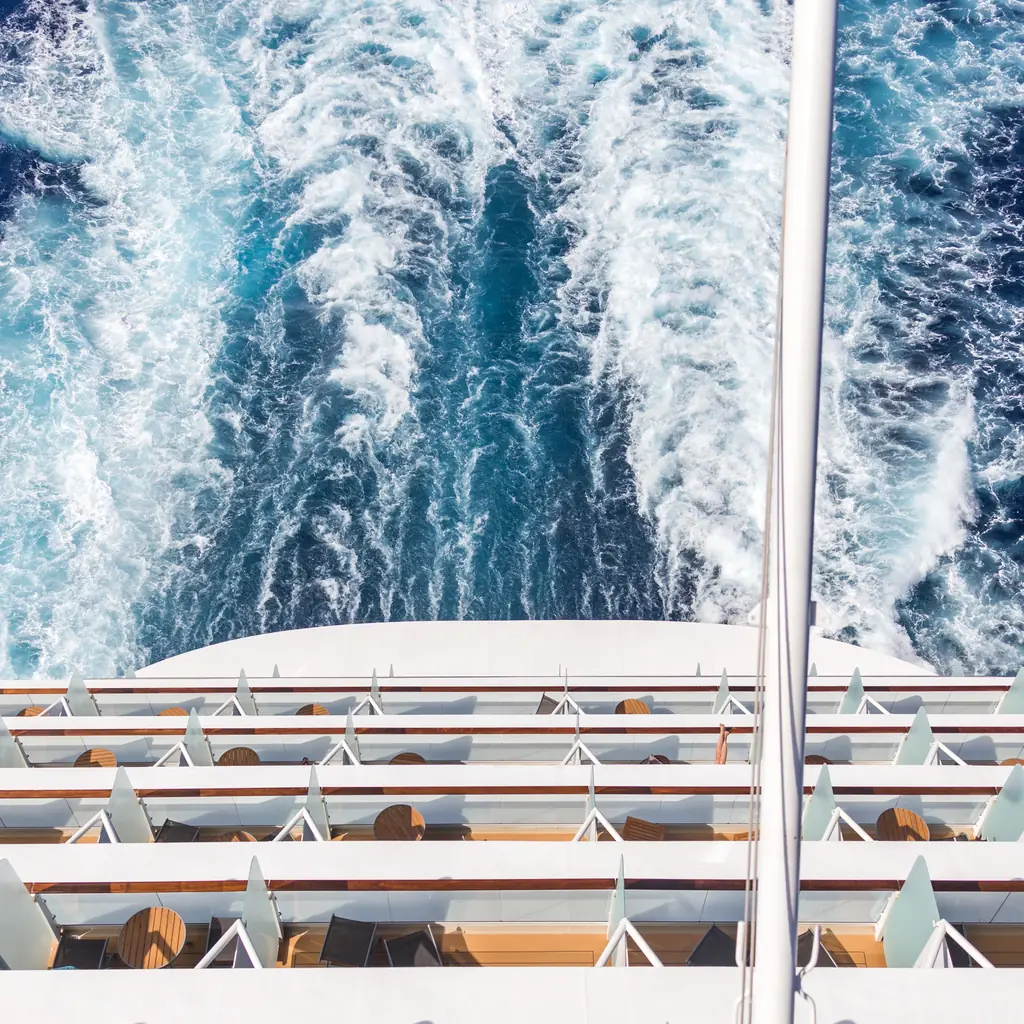
The cabin regulars ask for by name sits where the stern meets the side. On Carnival’s Conquest-class ships and Carnival Sunshine, the Premium Vista Balcony cabins on the upper decks wrap around that corner, giving the largest balcony on board, with a view through roughly 270 degrees, priced between a standard balcony and a suite (Cruise Radio).
Why they go first: a corner balcony has the wake view of an aft cabin, the side view of a hump cabin and only one neighbor. Regulars put their names down the day a new season opens for sale, often more than a year ahead.
The compromise is the one from item 15: the corner is still the stern. If you have never slept aft, try a standard aft balcony first and learn which side of the argument you are on before you chase the corner.
None of this requires a particular budget. It requires three deck plans, the legend and ten minutes before the deposit, which is about the time most passengers spend choosing a dinner seating.