
Editor's note: This article is an opinion piece based on publicly available passenger reviews, cruise line policies and industry reporting we found online.
A repeat cruiser is often easy to spot before the first dinner is served. The signs are small: a dining choice made weeks earlier, a quiet word with the head waiter on boarding afternoon, and a buffet visit timed to miss the rush.
This list collects habits that longtime passengers commonly describe in cruise forums and travel reporting, applied to the main dining room, the buffet, specialty restaurants, room service and the dress code. None of them is a promise about what a ship will do for you, and the policies cited here vary by line, ship and sailing, so read them as patterns worth borrowing rather than rules.
1. They chose set or anytime dining weeks before boarding
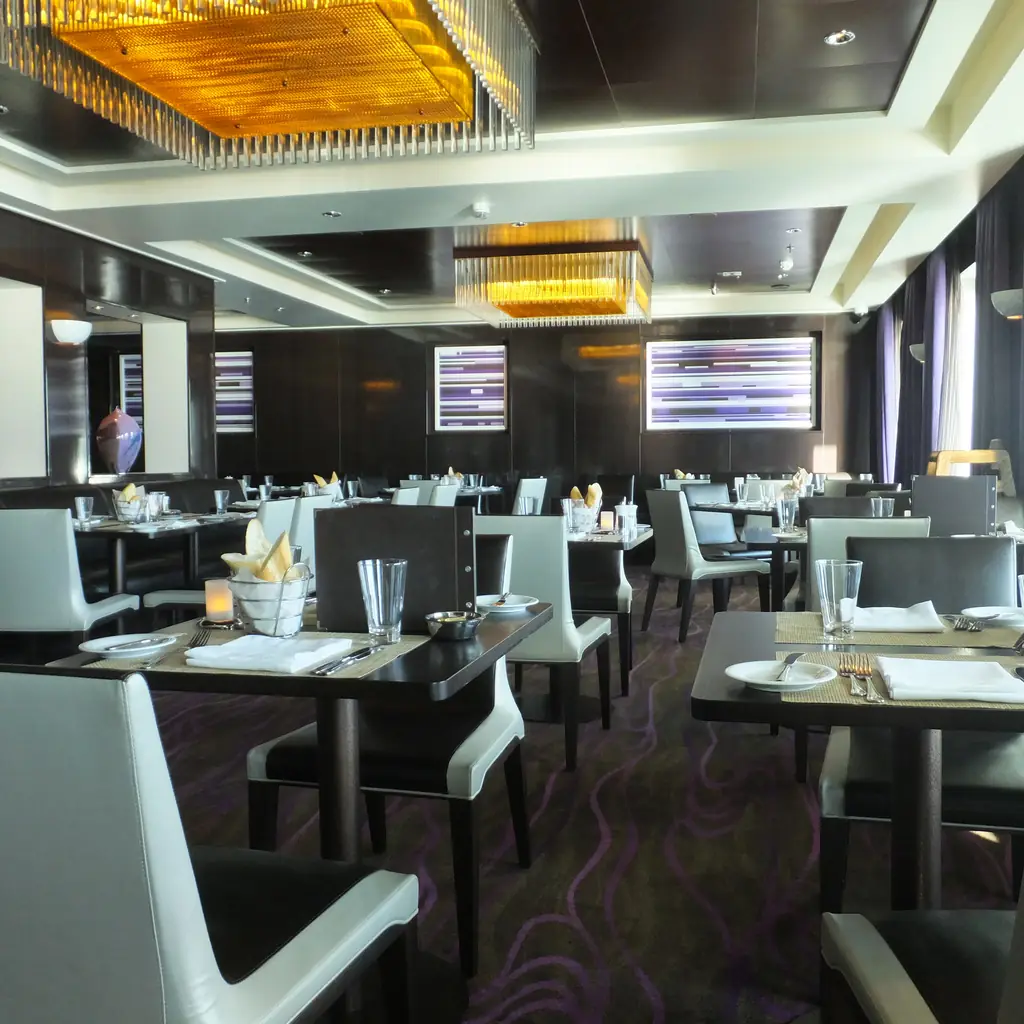
The choice between a fixed dinner time and open seating is made at booking or in the app, and regulars treat it as trip planning rather than a first-night question. First-timers often discover the difference in a line at 7 p.m.
What the choice looks like today: Royal Caribbean offers traditional seatings (its FAQ’s examples are 5:30 and 8:00 p.m.) or My Time Dining, where you eat when you like, with reservations strongly recommended. Royal Caribbean dining FAQ Princess split its fleet into three rooms from September 2024: traditional, reservable and walk-in anytime. Princess dining announcement
Regulars pick the version that fits their evenings and stop thinking about it. That decision shapes most of this list.
2. They find the head waiter on boarding afternoon, not at dinner
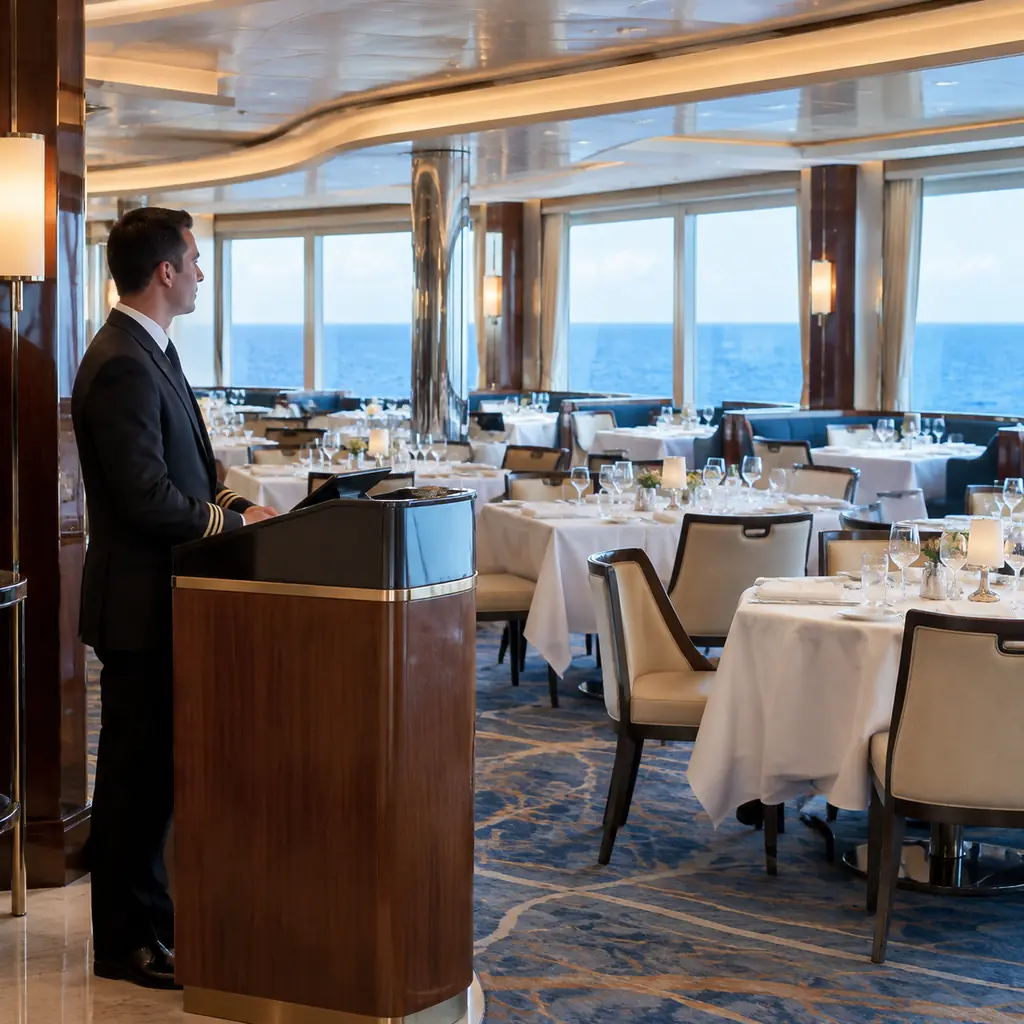
On embarkation day, while new passengers crowd the buffet, repeat cruisers often walk down to the main dining room. On many ships it opens in the afternoon so passengers can check their table assignment, and the head waiters have time to talk.
Why the timing matters: Royal Caribbean Blog’s guide to special dining requests says to speak with the head waiter on embarkation afternoon, and warns that not every request is possible. How to make dining requests An allergy, a table away from the service door or a larger group is easier to arrange before the first seating fills.
The visit takes ten minutes and saves an awkward conversation on night one.
3. They ask for the table size they want, and mean it
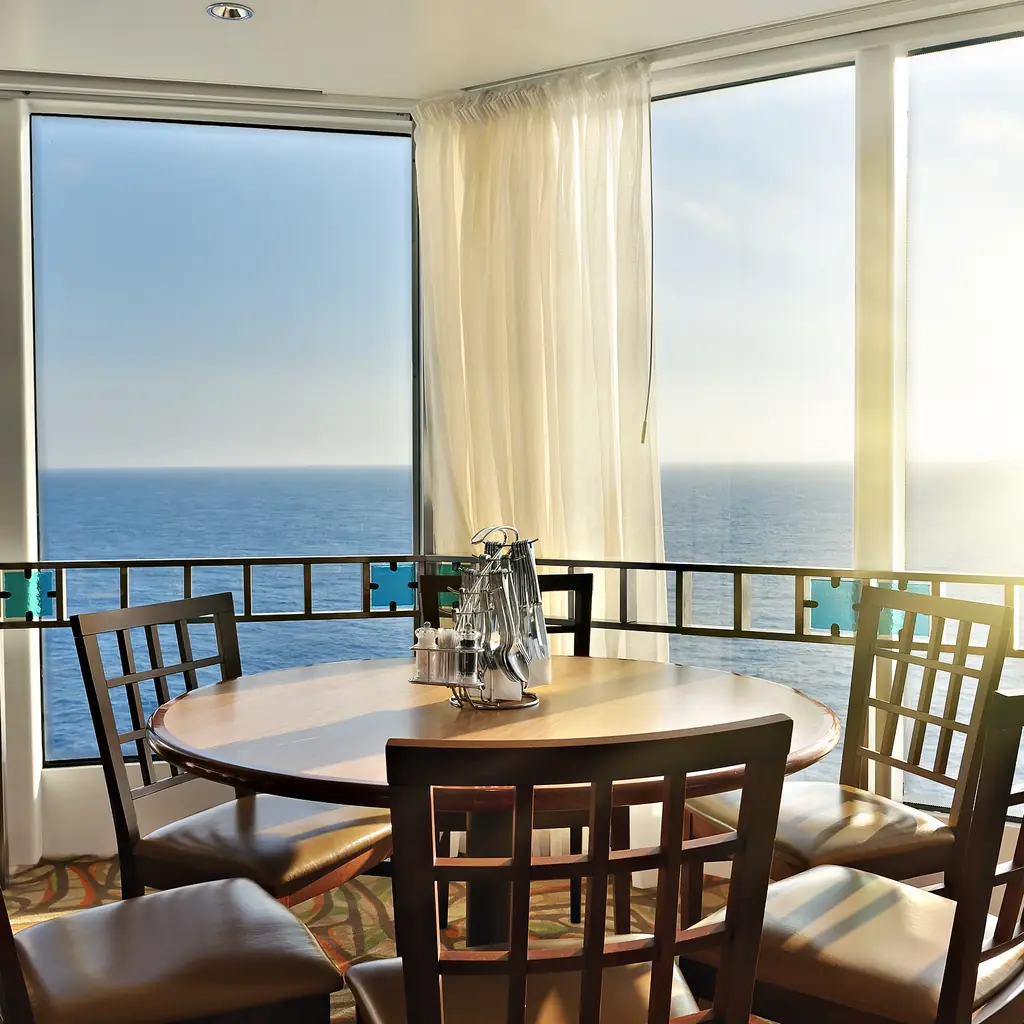
A table for two and a table for ten produce very different weeks, and regulars decide which they want before anyone asks. Some want a quiet dinner by the window. Others want the eight strangers who have become friends by Thursday.
The trade-off: cruise.blog’s comparison of dining styles notes that set dining puts you with the same companions and waiters nightly, while flexible dining lets you choose a different table size each evening, sometimes after a wait. Flexible versus traditional dining
First-timers often accept whatever the host offers, then spend three nights wishing they had spoken up. Asking politely on the first evening is normal and expected.
4. They learn their waiter's name on night one and use it
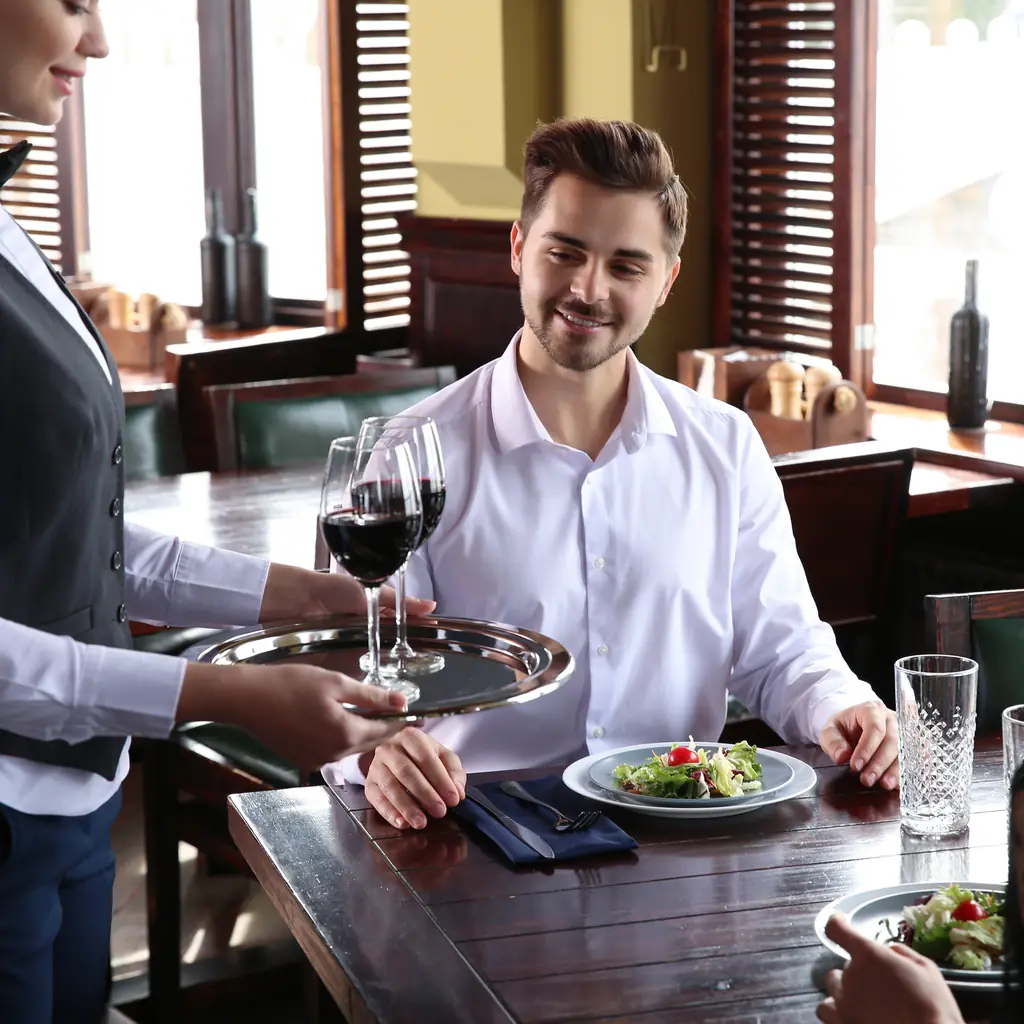
Watch a set-dining table of regulars on the second night. The waiter already knows who takes decaf, who wants the fish without the sauce, and who will ask for two desserts. That starts with a name and a few minutes of conversation on the first evening.
Why it works: The same team serves you nightly in traditional dining, and cruise.blog notes that dietary needs then only have to be explained once. Flexible versus traditional dining Princess describes its traditional option as the same waiter, same table and same time each night. Princess dining announcement
This is not a trick for better food, just ordinary courtesy that makes a week of dinners smoother for both sides.
5. They order two appetizers, or an entrée as a starter, without apology
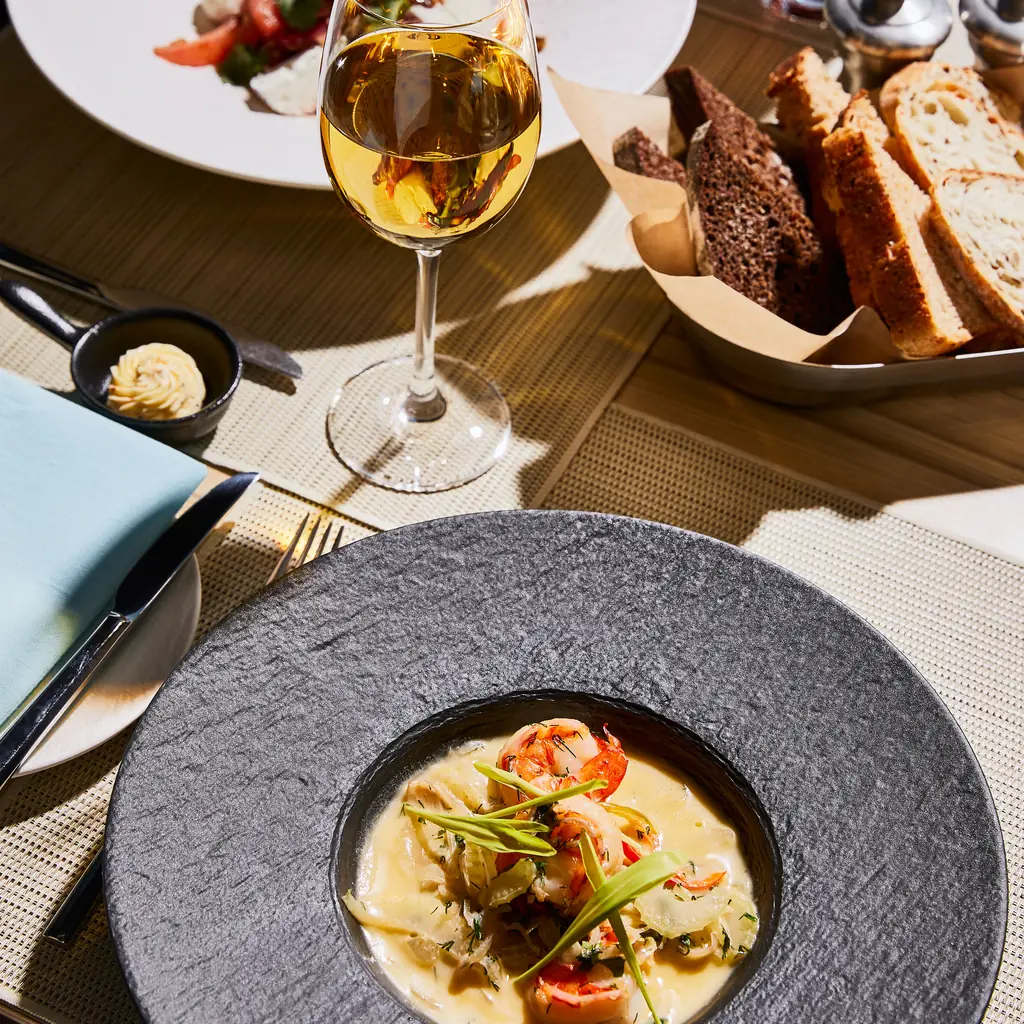
The main dining room menu is included in the fare on the big lines, and the galley is built for volume. Regulars treat it that way. Two appetizers, a half portion of pasta before the steak, or a second dessert to share are ordinary requests.
The line’s own words: Carnival’s food and beverage tips state that you can order as much as you would like in the dining room. Carnival dining tips Other lines behave similarly, although some list surcharged premium dishes on the main menu, so look for a price before assuming a dish is included.
First-timers often ration themselves as if a bill were coming; it is not.
6. They ask the waiter what to order tonight, and take the advice

A dining room waiter serves the same menu to dozens of tables and sees which plates come back untouched. Regulars use that knowledge. The question is simple: what is good tonight, and what would you skip?
Why it matters: Life Well Cruised lists ignoring the server’s recommendation among the common dining mistakes, because waiters know which dishes are popular and well executed that evening. Cruise dining mistakes
This is where the second-entrée habit comes from. If the waiter hesitates over your choice, order the dish they suggest as well. The worst case is an extra plate; the best case is the dish you talk about for the rest of the trip.
7. They ask for dishes that are not printed on the menu
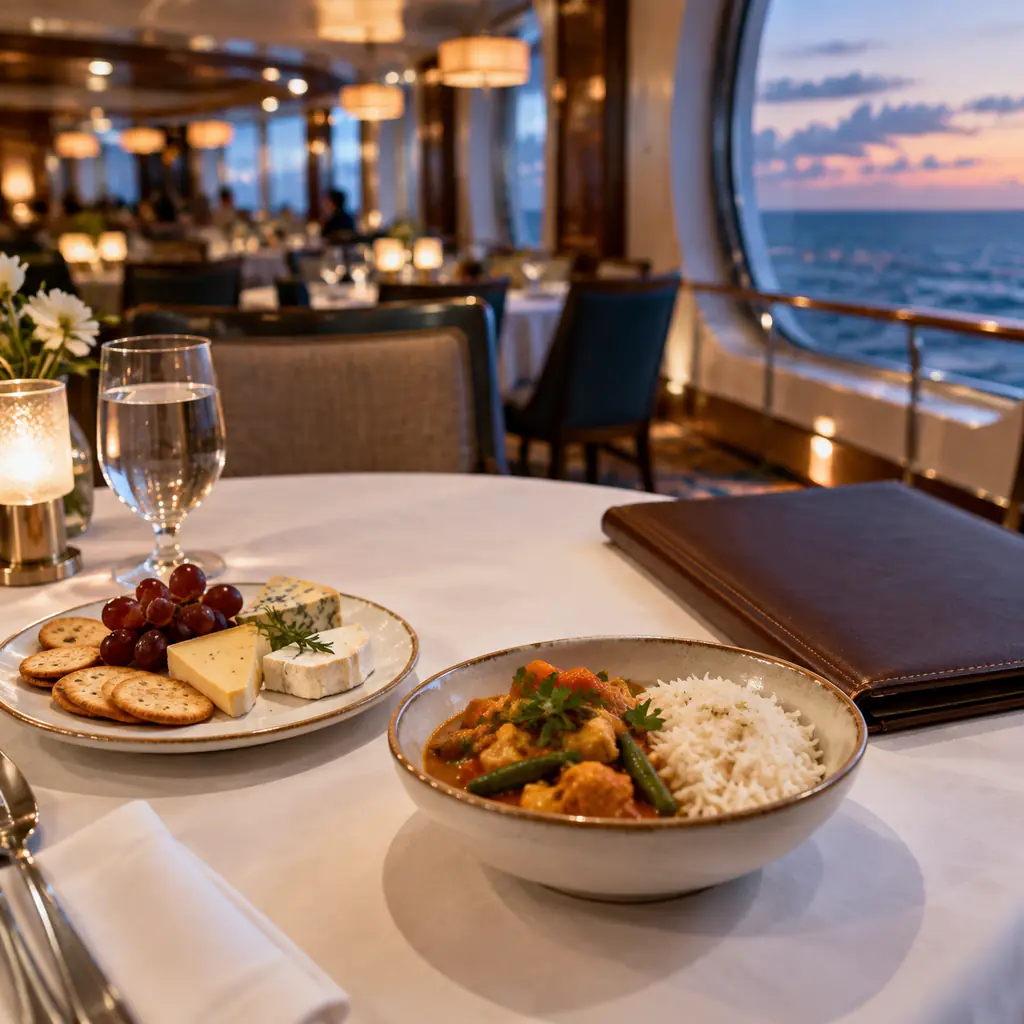
Longtime cruisers often describe a short list the galley can usually produce without fuss: a plain grilled chicken breast, steamed vegetables, a cheese plate or a fruit plate. Royal Caribbean’s Indian vegetarian dishes, which began as an unlisted option, have become popular with all guests. How to make dining requests
How regulars ask: They ask early, ideally the night before, and politely, with a fallback in mind. The same guide is clear that a specific cuisine or ingredient may not be possible, and that the answer can be no.
Carnival’s tips mention asking for the cheese plate to carry back to your cabin. Carnival dining tips None of this is guaranteed, but first-timers rarely know they can ask.
8. They tell the waiter about the show before the bread arrives
A multi-course dinner in the main dining room can run ninety minutes or longer, and the 7:30 show does not wait. Regulars mention the time constraint as they sit down. First-timers mention it during dessert, when it is too late.
The habit in practice: Life Well Cruised lists leaving too little time between dinner and evening events among the mistakes it sees most, and the fix is to say so at the start. Cruise dining mistakes Waiters can often pace courses or bring dessert with the entrée, but only if they know.
Carnival now advertises Express Dining for Your Time Dining guests, a full meal in under an hour. Carnival dining room dinner
9. They eat lunch in the dining room on boarding day
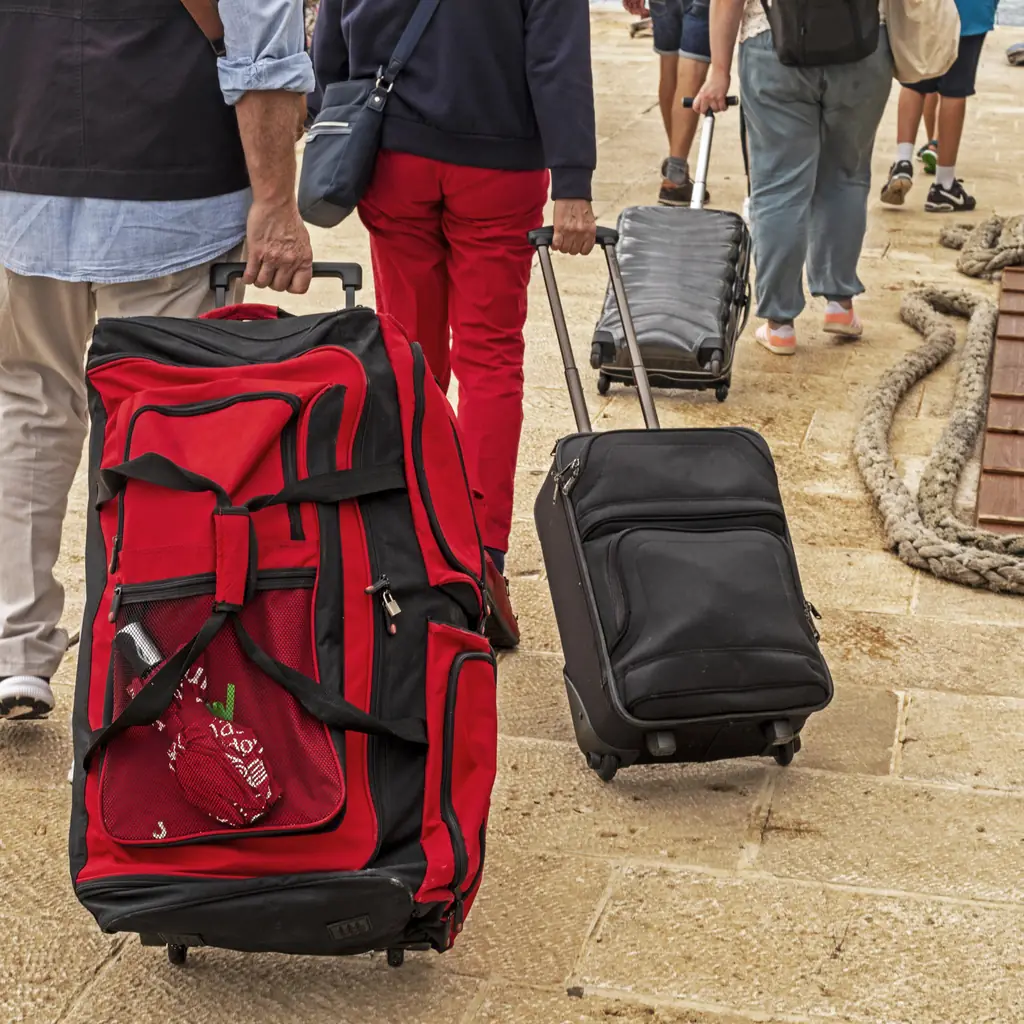
The buffet on embarkation day is the most crowded meal of the cruise. Thousands of passengers board within a few hours, most carrying a bag, and most head for the same room. Regulars go the other way.
Where they go instead: Life Well Cruised and Cruise Maven both advise skipping the buffet on boarding day in favor of the main dining room or another sit-down venue open for lunch. Buffet tips Carnival’s tips note that its dining room runs at lunch with minimal waits compared with the buffet line. Carnival dining tips
If you are planning your first sailing, our guide to getting the most from your first cruise opens with the same advice: look beyond the buffet for lunch.
10. They know the buffet's sea-day rush hours and eat around them
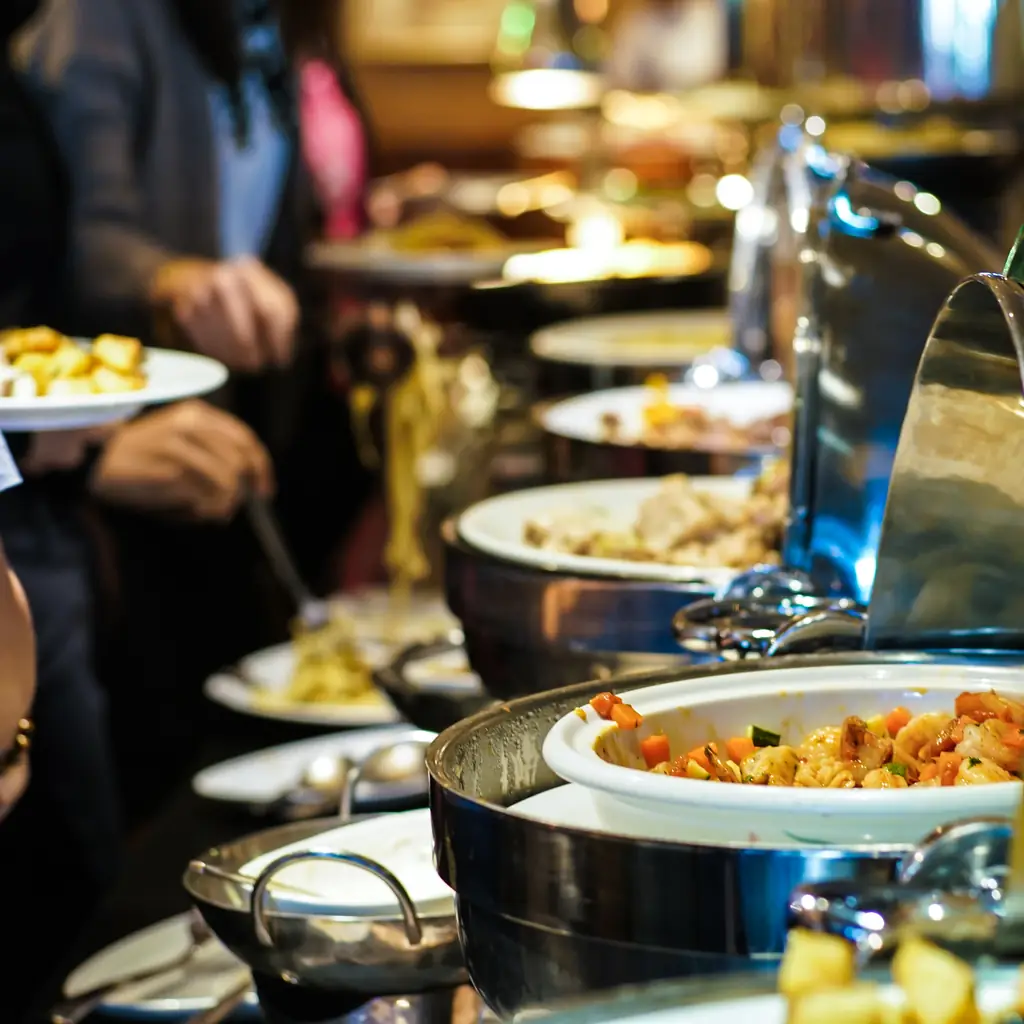
On a sea day the whole ship eats on roughly the same clock. Regulars know that clock and step out of it.
The pattern reporters describe: Cruise Maven’s 2026 crowd-avoidance guide puts the lunch crush around noon, with the buffet still open but far quieter by 1:30 or 2 p.m., and the dinner peak between 6:30 and 7 p.m. How to avoid cruise crowds Breakfast, the same guide notes, stays busy longer because people wake at different times.
The first-timer version of a sea-day lunch is a tray held at shoulder height while circling for a table. The regular’s version is a late lunch at a window seat with the room half empty.
11. They arrive when a buffet service opens, not before it closes
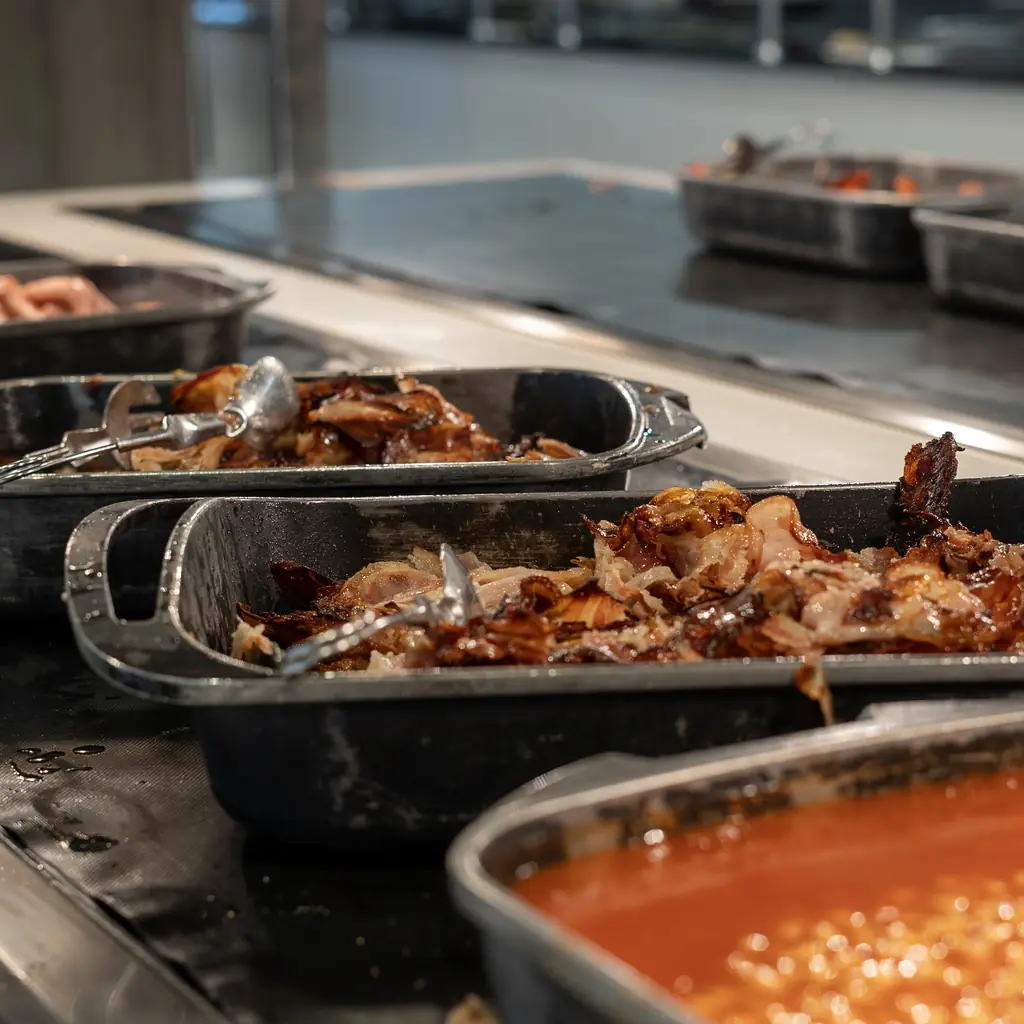
The other half of buffet timing is the start of service. The food is freshest, the lines are shortest and the tables are clear in the first fifteen minutes.
The specific advice: Life Well Cruised suggests going at 11:30 a.m. when lunch begins rather than between noon and 1 p.m., and treating the opening of any service as the best window. Buffet tips
Many first-timers do the opposite, drifting in during the last half hour before a service ends, when the trays are picked over and staff are clearing stations. Regulars either go early or wait for the next service to begin.
12. They eat breakfast in the main dining room on sea days
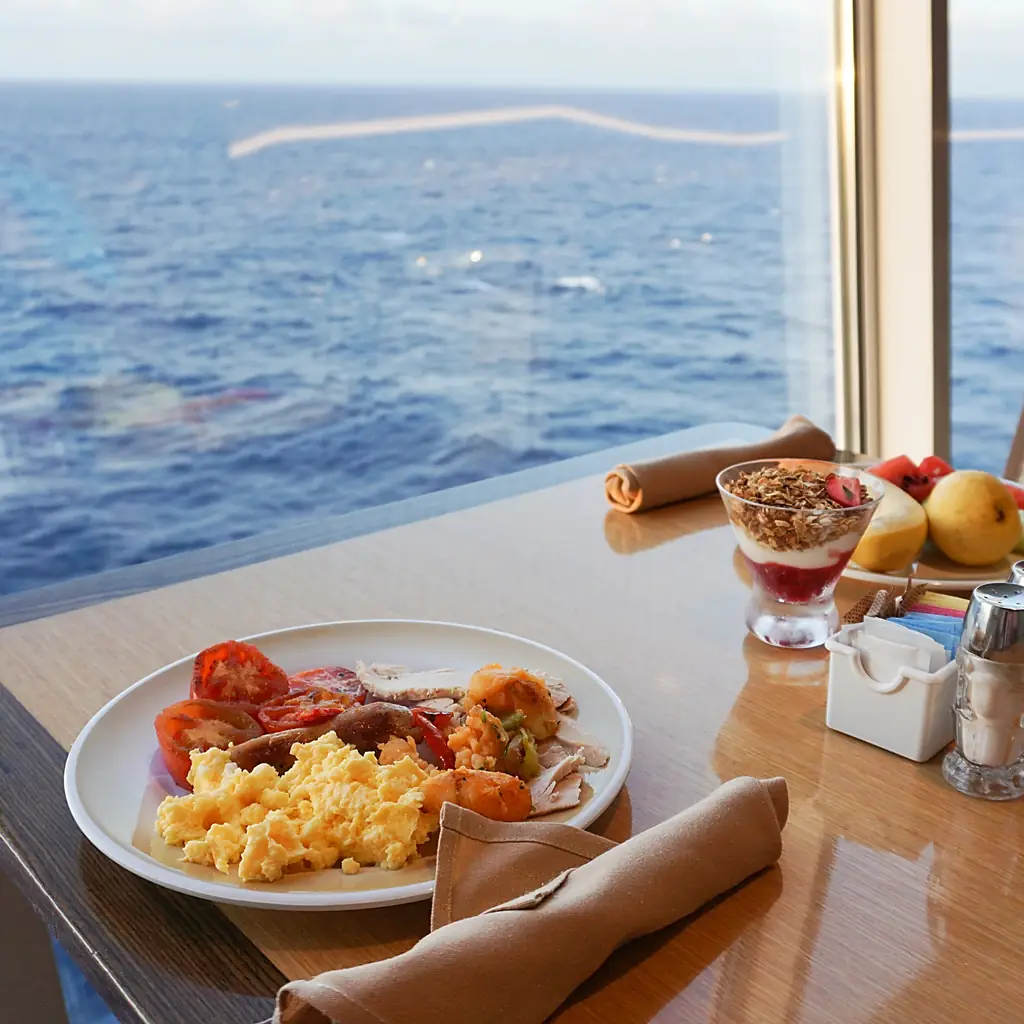
This is the habit regulars mention most often when asked how they save time at sea. The buffet at 9 a.m. on a sea day is a crowd. The main dining room, open for a served breakfast, is often half full.
What you trade: You give up speed and grazing. You get a table, a tablecloth, coffee that keeps arriving and eggs cooked to order. On Carnival the sea-day version is the Sea Day Brunch, a mid-morning menu combining breakfast and lunch, included in the fare. Carnival Sea Day Brunch
Life Well Cruised counts skipping dining room breakfast and lunch among first-timer mistakes, calling it an underused included experience. Cruise dining mistakes Regulars tend to agree.
13. They hang the breakfast card on the door the night before
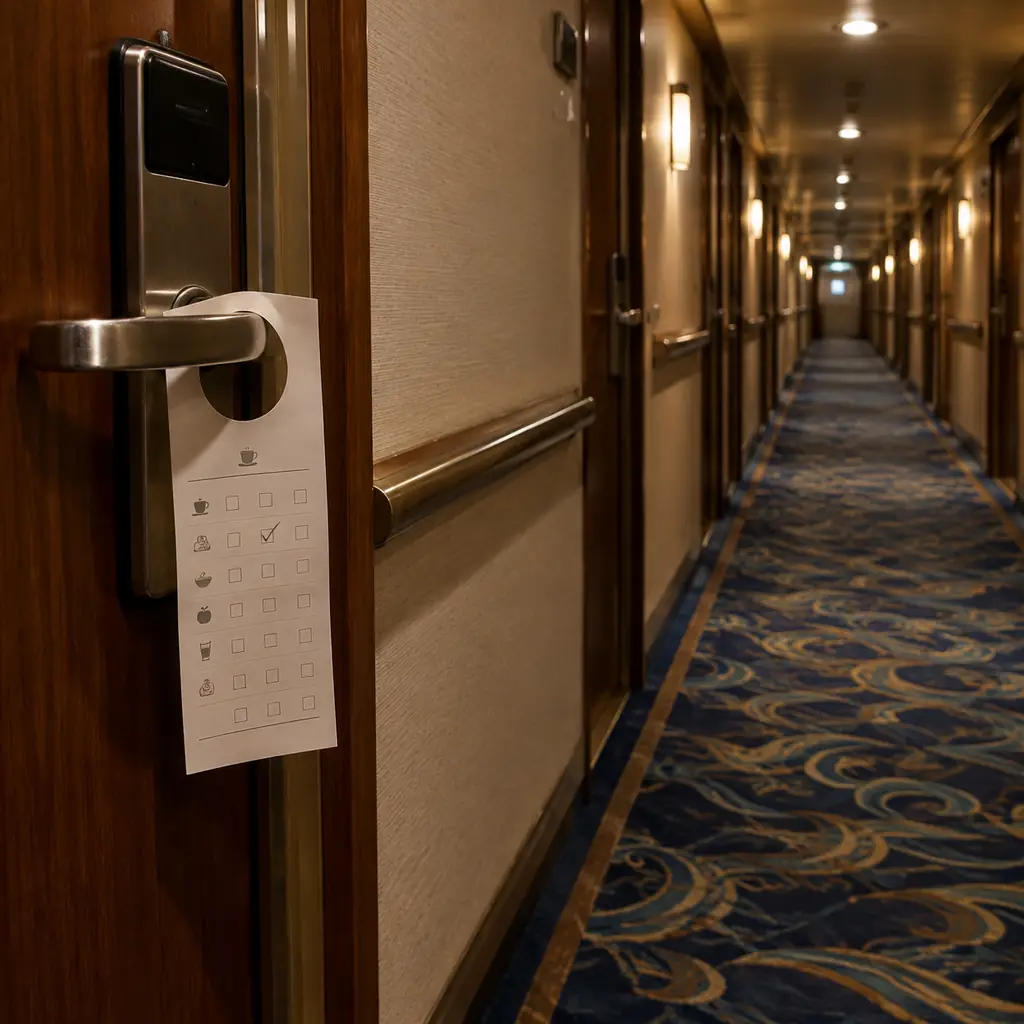
The small card hanging on your cabin door handle is one of the oldest cruise habits, and first-timers often leave it untouched all week. Regulars fill it in before bed on the night before a port day or an early excursion.
What it costs: Carnival advertises a free continental breakfast delivered between 6 and 10 a.m., with hot items charged separately. Carnival room service The Points Guy’s April 2024 survey describes the same door-hanger method for a free continental breakfast on Princess and Holland America. Cruise room service survey Menus and fees change, so read the card.
If you booked one of the balconies experienced passengers ask for, coffee and pastries outside while the ship docks is the reward.
14. They read the room service fee before they order the burger
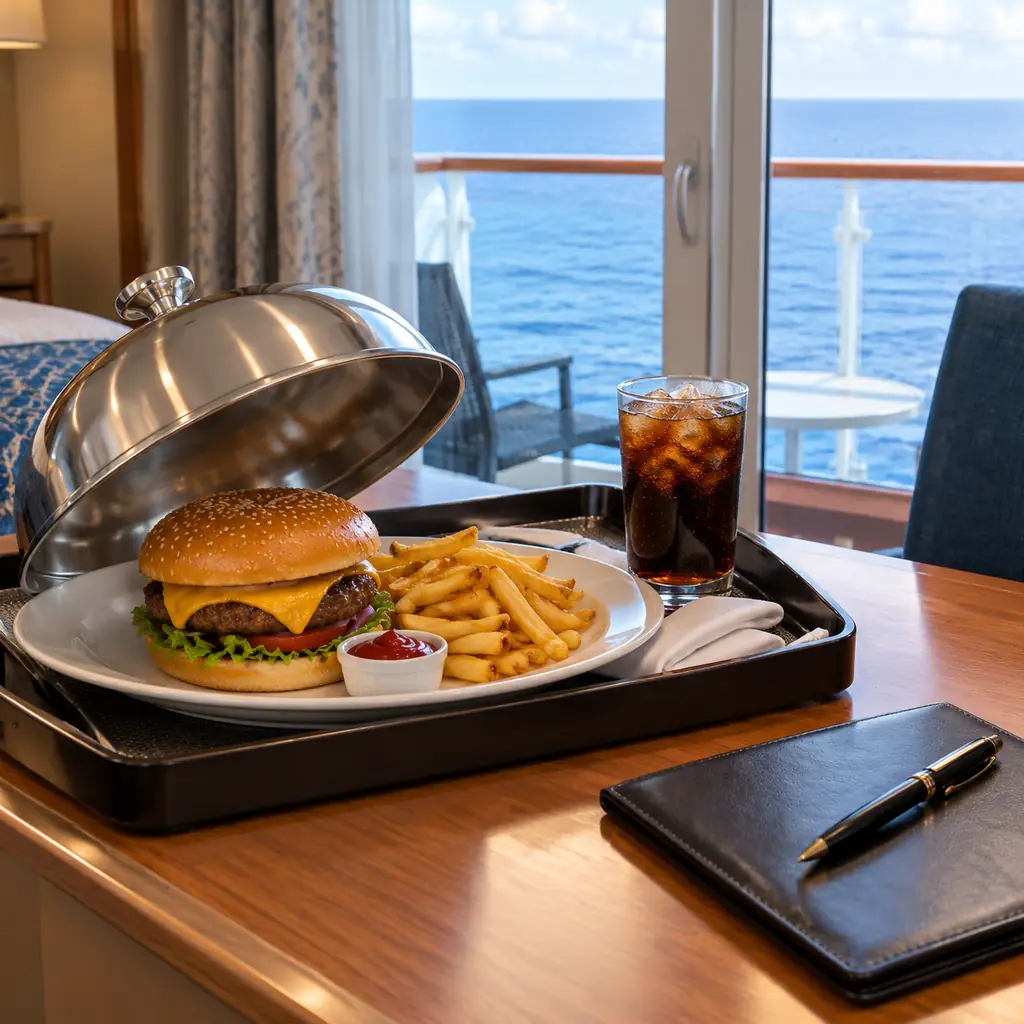
Room service was free on most big ships for decades. Regulars know that era has mostly ended and order accordingly. First-timers often meet the service charges on the final statement.
Current examples: Royal Caribbean’s FAQ lists a $7.95 service charge per order plus an 18 percent gratuity. Royal Caribbean room service FAQ Islands.com reported in December 2024 that continental-breakfast-only orders have been the exception. Royal Caribbean room service explainer The Points Guy’s survey found Norwegian charging a $4.95 breakfast fee and Celebrity keeping room service complimentary from 5 a.m. to 11 p.m. in standard cabins. Cruise room service survey
Regulars use room service for the early port-day coffee and skip the paid late-night burger when an included venue is a deck away.
15. They book one specialty dinner before boarding, then wait
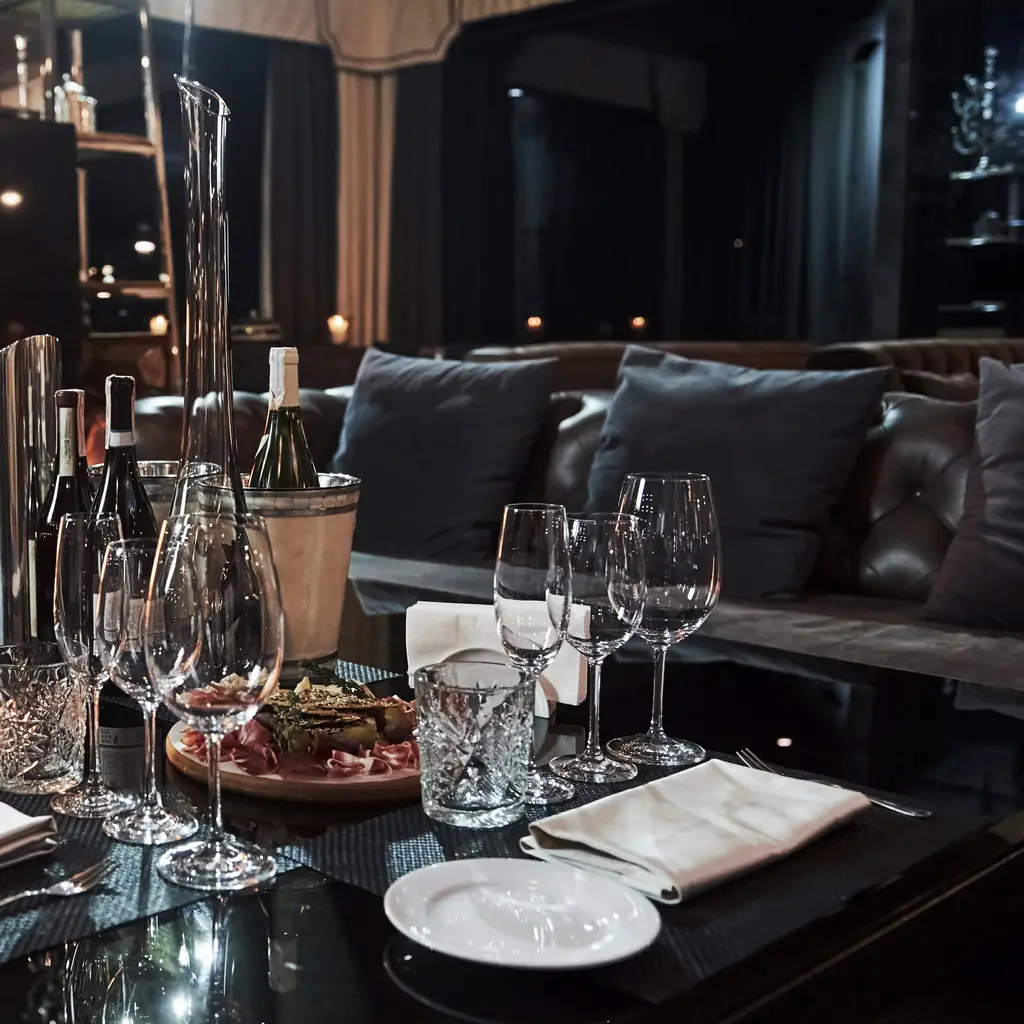
Repeat cruisers are rarely the passengers buying a five-night dining package at the terminal. The common habit is one pre-booked specialty dinner at the venue they actually want, with a second considered only after they have eaten the included food.
Why they book before boarding: Direct Line Cruises’ September 2026 guide puts Royal Caribbean’s Chops Grille at roughly $55 to $65 per person for dinner as of mid-2026, with dynamic pricing that usually makes the pre-cruise price lower. Royal Caribbean specialty restaurants Carnival lists its steakhouse at $52 per adult and says reservations are highly recommended. Carnival steakhouse
Our guide to making your cruise money go further makes the same point: book one special dinner before committing to a package.
16. They book specialty restaurants for the first night or a port night
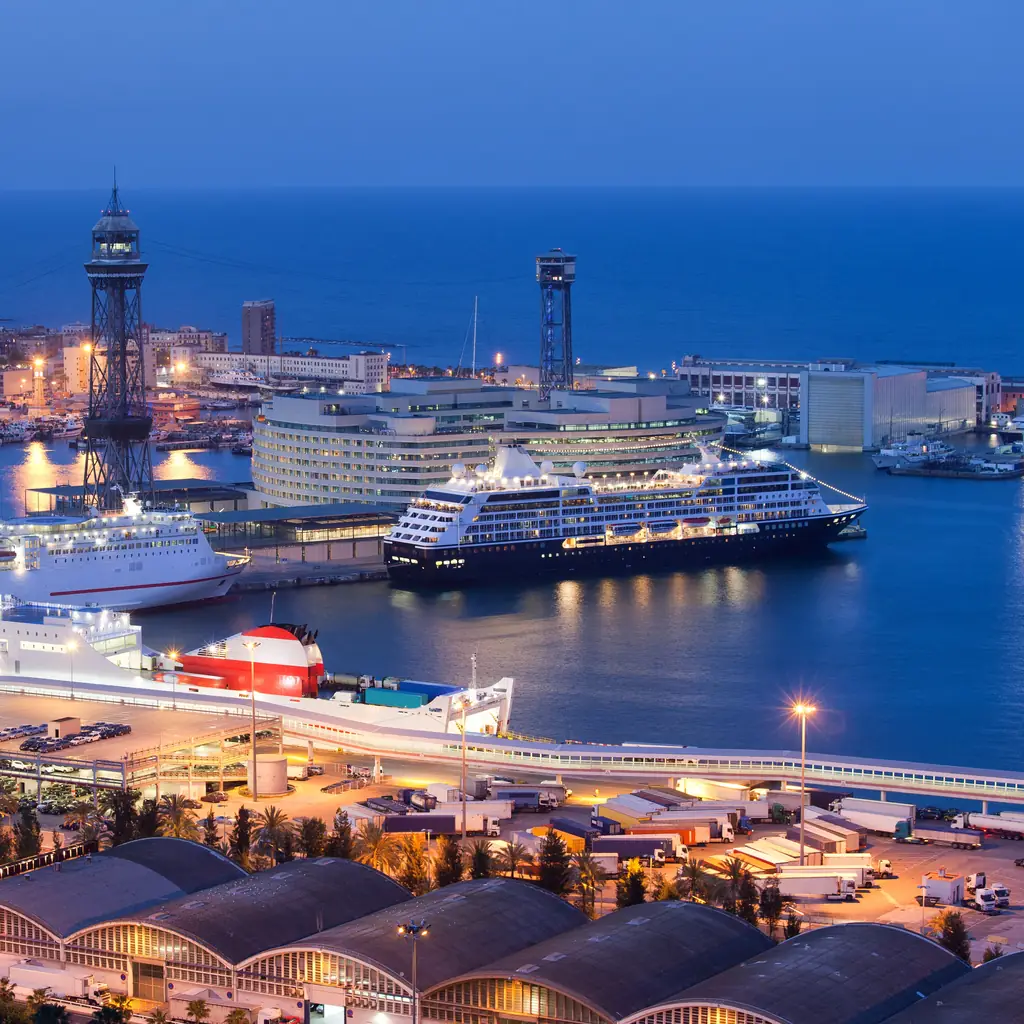
Ask regulars which night they booked the steakhouse and the answer is rarely formal night. It is often the first night, when the dining room is at its most hectic, or a long port day, when the ship is quiet and the specialty venues have space.
The reasoning many give: On the first evening passengers are still finding their tables and the galley is settling in, so a calm dinner elsewhere rarely costs a dining room highlight. Port nights follow the same logic, since many passengers eat ashore or come back tired.
Holiday weeks change the calculation, because specialty venues book out early; our article on cruising over Thanksgiving, Christmas or New Year’s covers that.
17. They skip the specialty restaurant on the night the main menu peaks
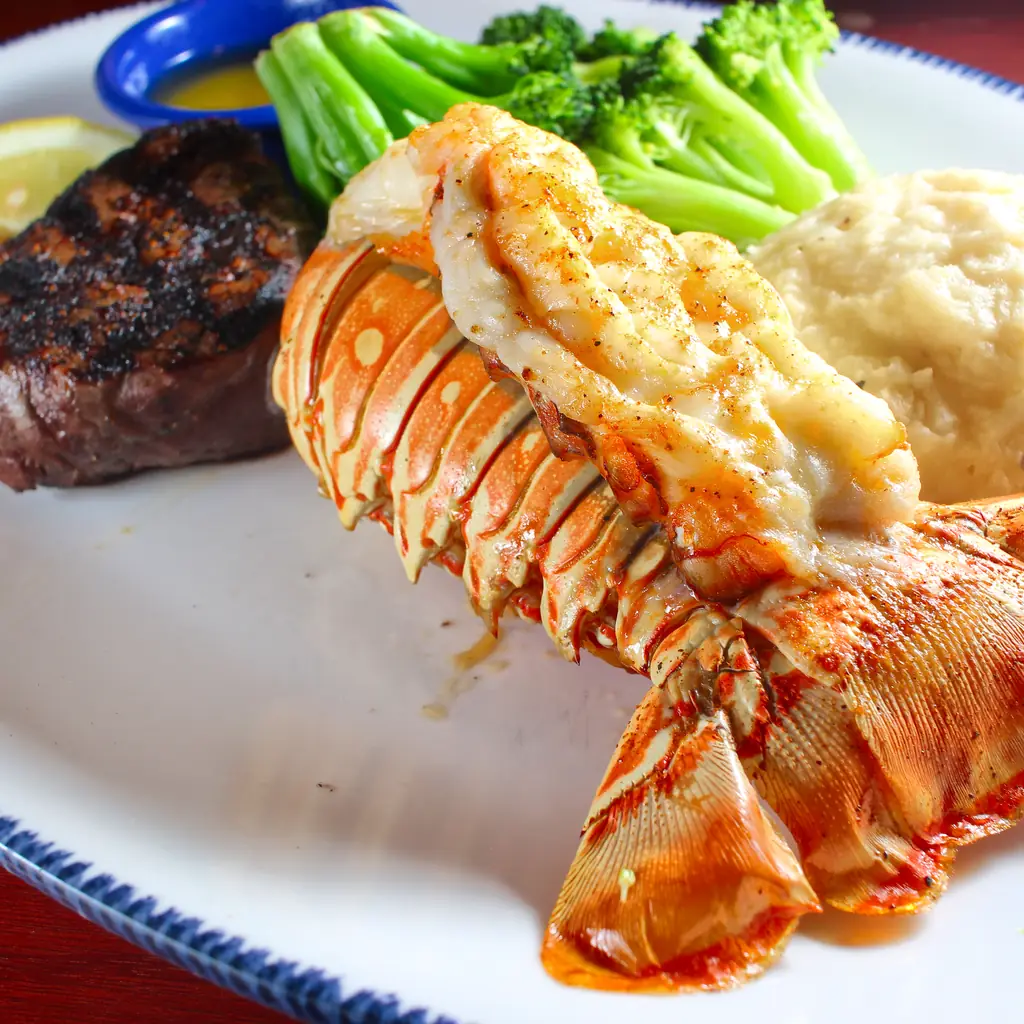
The other side of that habit: regulars often refuse to pay for a specialty dinner on formal night or on the evening the dining room runs its most popular menu. Many longtime cruisers say that is when the included kitchen does its best work.
How they decide: They read the week’s dining room menus in the app on day one, mark the night they most want, and keep specialty bookings off it. Menus vary by sailing, so this takes five minutes.
On some lines the upper loyalty tiers include a specialty meal, one reason regulars track their status. Our guide to cruise loyalty perks worth chasing sorts the useful benefits from the decorative ones.
18. They bring the allowed wine bottle and let the waiter hold it
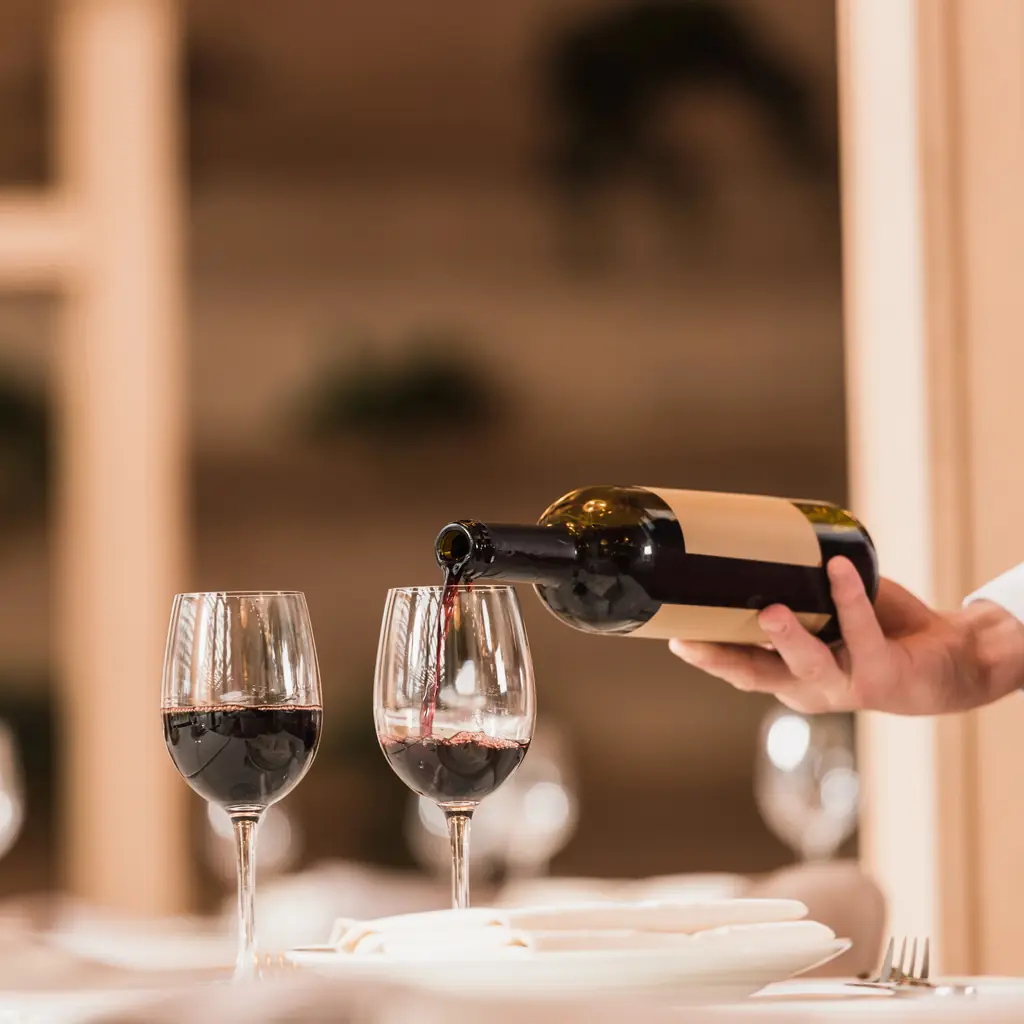
Watch regulars at embarkation and you will see wine bottles in carry-on bags, and later on the dinner table.
The policy, by line: Royal Caribbean’s FAQ says each guest of drinking age may bring one sealed 750 ml bottle of wine or champagne on embarkation day, and refers to a corkage policy. Royal Caribbean food and drink policy Carnival’s tips describe the same allowance, with a corkage fee in the dining room. Carnival dining tips
The regular’s move: They ask the waiter to re-cork an unfinished bottle and keep it for the next night. Carnival describes that storage for its wine packages; many passengers report the same courtesy for a carried-on bottle, but ask rather than assume.
19. They do the dinner-drink math by the glass before buying a package
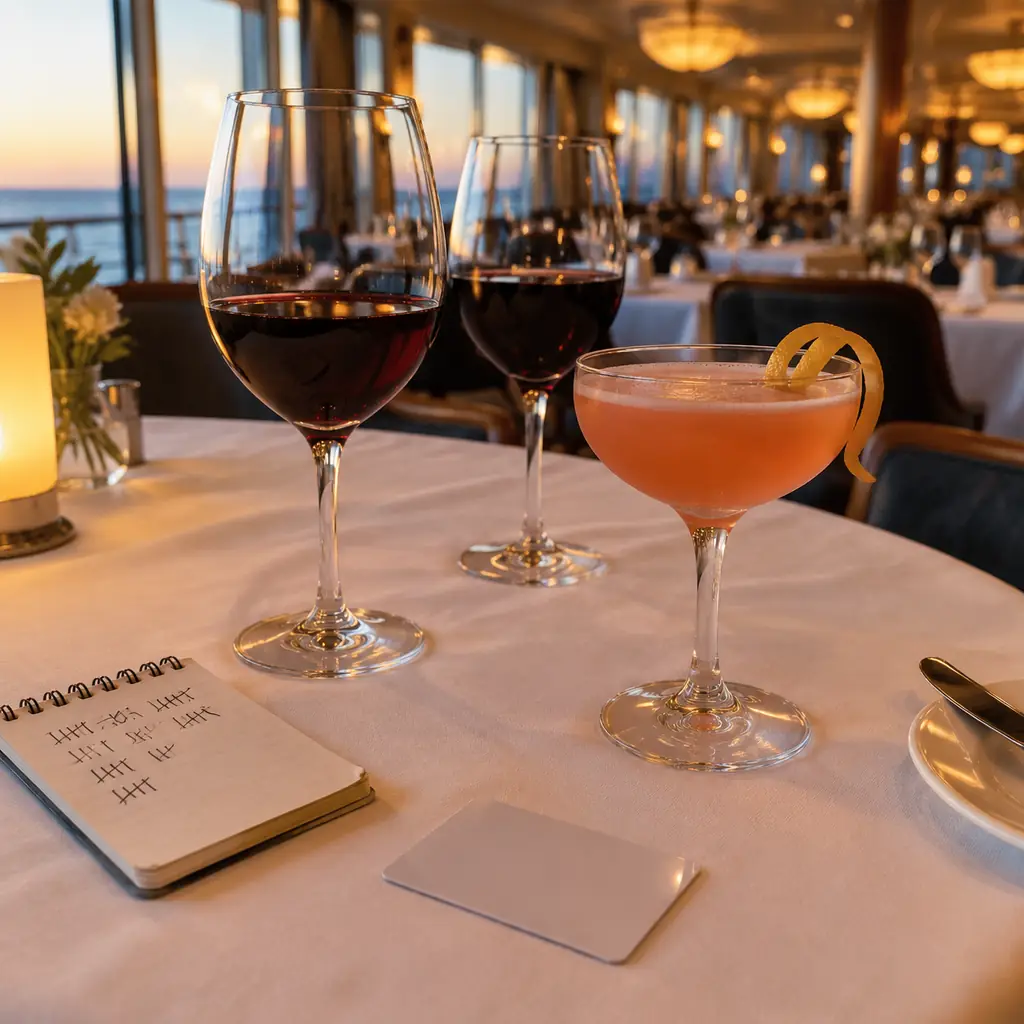
Regulars are not reliably for or against drinks packages. What separates them from first-timers is that they count before they buy, and dinner is where the counting starts.
The method: Two glasses of wine at dinner, a cocktail before and a nightcap, at menu prices, multiplied by the nights you will be onboard for dinner. Compare that with the package price, and check whether other adults in the cabin must buy it too.
On port-heavy itineraries the math often goes the other way, which is why drinks packages on port-heavy routes made our list of purchases not always worth the hype. First-timers tend to buy on the first afternoon; regulars decide on the second.
20. They read tonight's dress code in the daily program before they dress
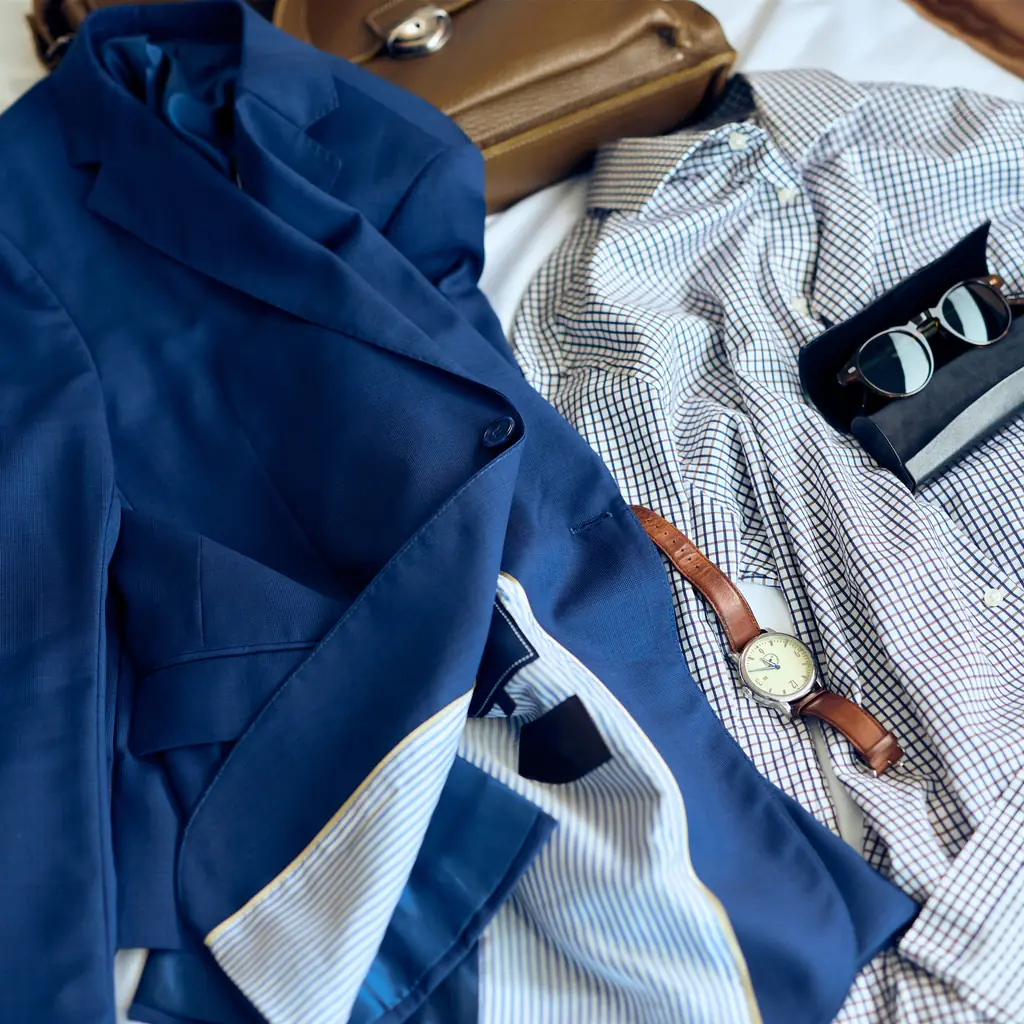
Each evening’s dress code is printed in the daily program and in the app, and regulars glance at it before opening the closet. First-timers often learn it at the dining room door.
Royal Caribbean’s current wording: Casual allows jeans, shorts, tees, polos and sundresses, with swimwear kept to the pool deck; Smart Casual is a step up from typical dinner wear; Formal is the black-tie night, with suits, tuxedos, cocktail dresses or gowns. Royal Caribbean dress code Celebrity says its Daily program is the guide to each evening’s attire. Celebrity dress code
Regulars tend to dress a notch above the minimum. A blazer on a casual night draws no comment, and the photos look better.
21. They know which lines still say formal and which say dressy
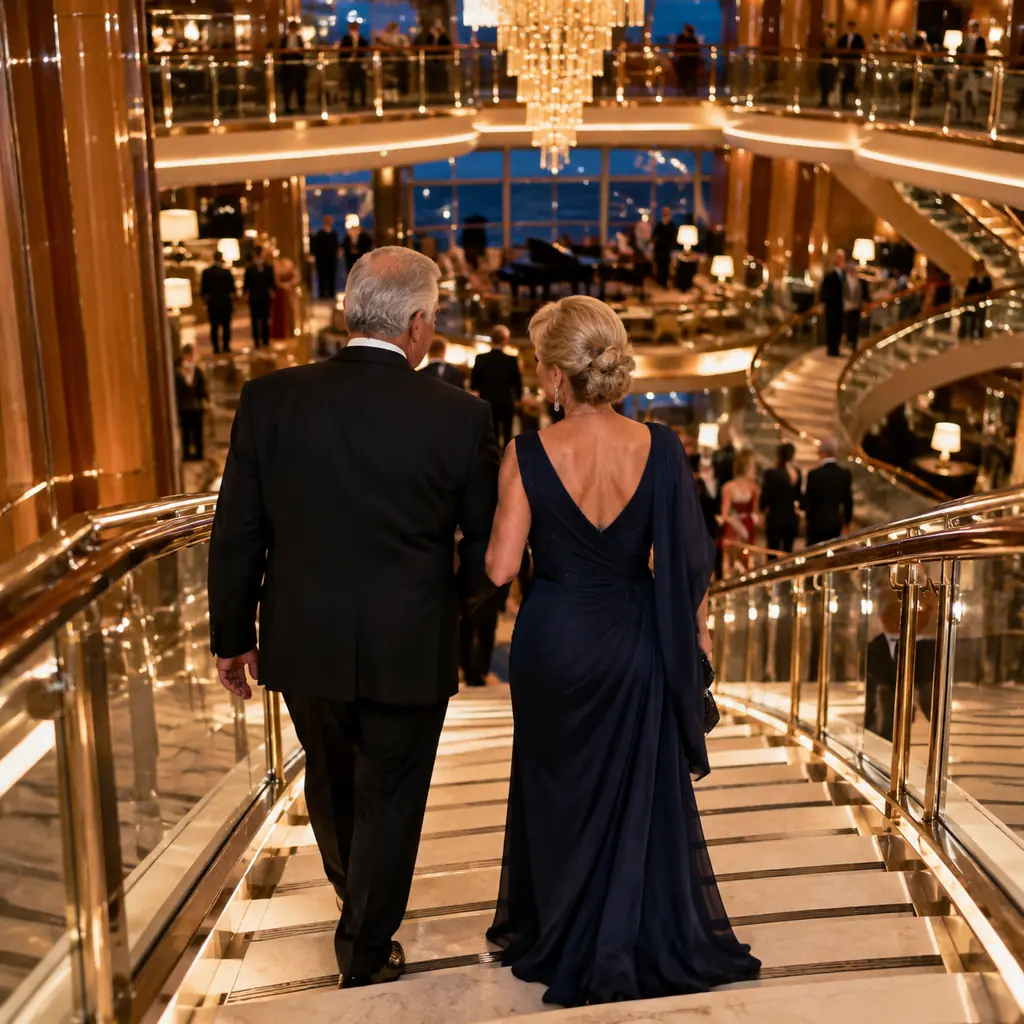
Formal means different things across the big lines now, and regulars pack for the line they booked rather than the cruise they remember from 1998.
Line by line, as currently published: Carnival calls its dressed-up evenings Cruise Elegant, one or two per cruise. Carnival cruise glossary Holland America uses Dressy Nights, says black tie has never been required, and schedules two on a typical seven-day cruise. Holland America dress code Celebrity’s version is Evening Chic, one to two nights per itinerary, with Smart Casual accepted if you opt out. Celebrity dress code Norwegian schedules no formal nights; its optional Norwegian’s Night Out is, in the line’s words, its answer to them. Norwegian what to wear
Our companion article on what regulars pack that first-timers leave at home covers those nights.
22. They do not bring the pool deck to dinner

Shorts, flip-flops, a baseball cap and a damp swimsuit under a cover-up mark a first-timer at the dining room door faster than anything else. Regulars changed an hour ago.
What the lines publish: Celebrity says shorts and flip-flops are not Smart Casual, the minimum for its main and specialty restaurants. Celebrity dress code Holland America bars shorts, pool or beachwear, distressed jeans and men’s tank tops from table-service restaurants. Holland America dress code Norwegian’s packing guide lists baseball caps, visors, men’s tank tops, swimwear and flip-flops as not allowed in main dining rooms. Norwegian what to wear
Enforcement varies by ship and host, and passengers in shorts are often seated anyway. Regulars do not test it; the next table notices.
23. They arrive on time for set dining, or warn the host
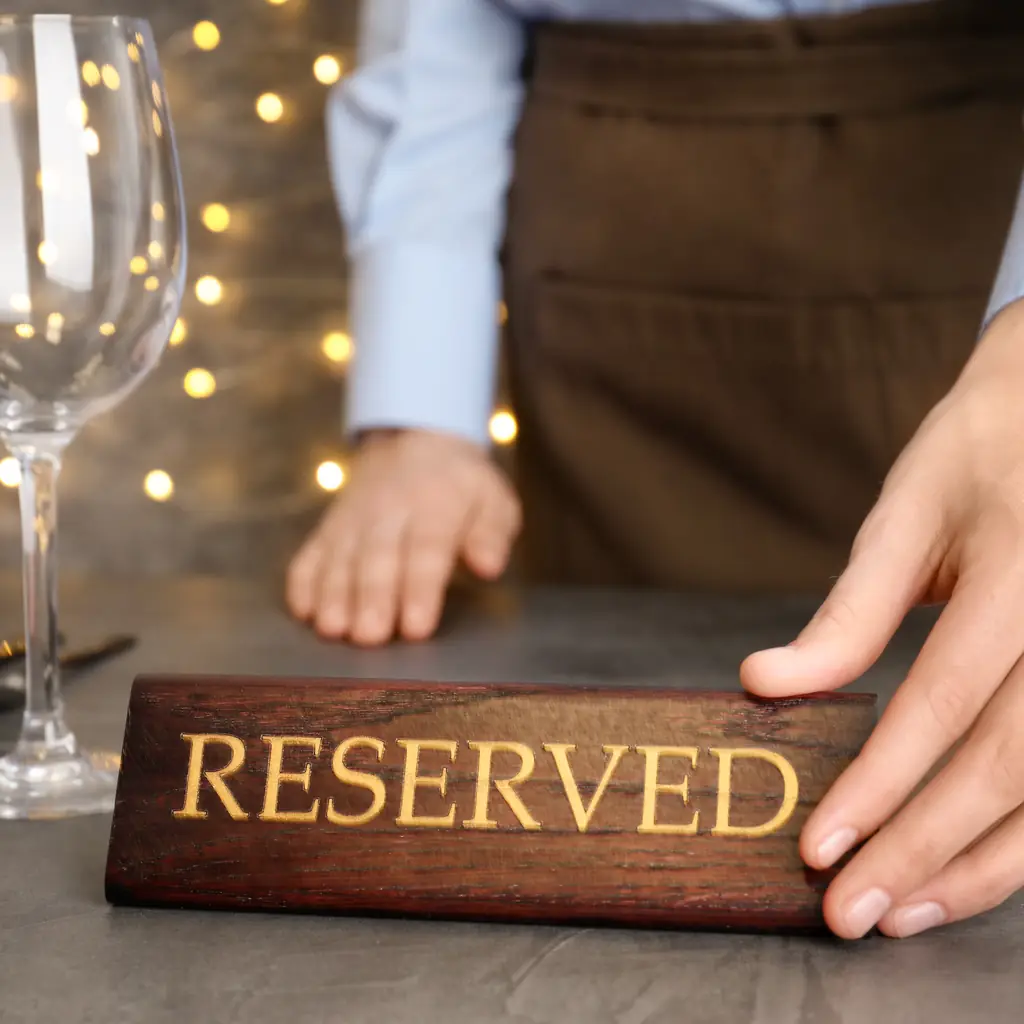
A fixed seating is a reservation shared with a whole table and a service team. Regulars treat 5:30 as 5:30. When a late tender makes that impossible, they tell the host or eat elsewhere rather than arriving forty minutes late to a table on its second course.
Why it matters to the room: cruise.blog notes that missing an assigned slot in traditional dining means making other arrangements, because the galley fires courses by table. Flexible versus traditional dining Carnival’s HUB app lets Your Time Dining guests check in when ready and alerts them when a table is free. Carnival HUB app
Leaving too little time for dinner is one of the first-cruise mistakes we see most often.
24. They keep the table manners the dining room still expects
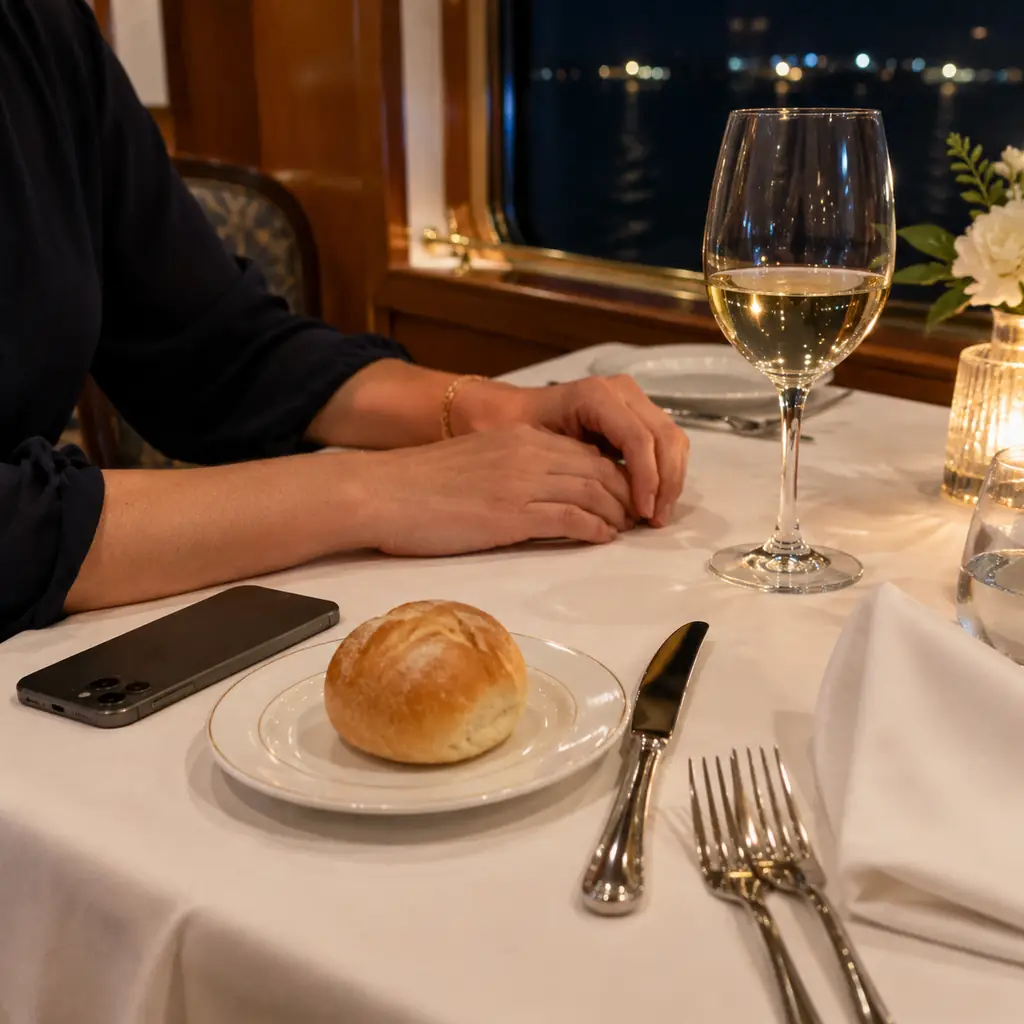
The main dining room is one of the last places on a ship with a dress code and a maître d’, and regulars treat it accordingly. Phones stay face down, the party arrives together so the galley can start, and a waiter is caught with eye contact rather than a raised hand.
What regulars notice first: holding a prime table for latecomers in open seating, sending a dish back without explanation, and bringing eight people to anytime dining unannounced. Life Well Cruised counts bringing a large group to open dining without arrangements among its dining mistakes. Cruise dining mistakes
Multigenerational tables have their own rhythm, and our article for grandparents cruising with the grandkids covers dinner with children.
25. They argue about set versus anytime dining, and both have a point
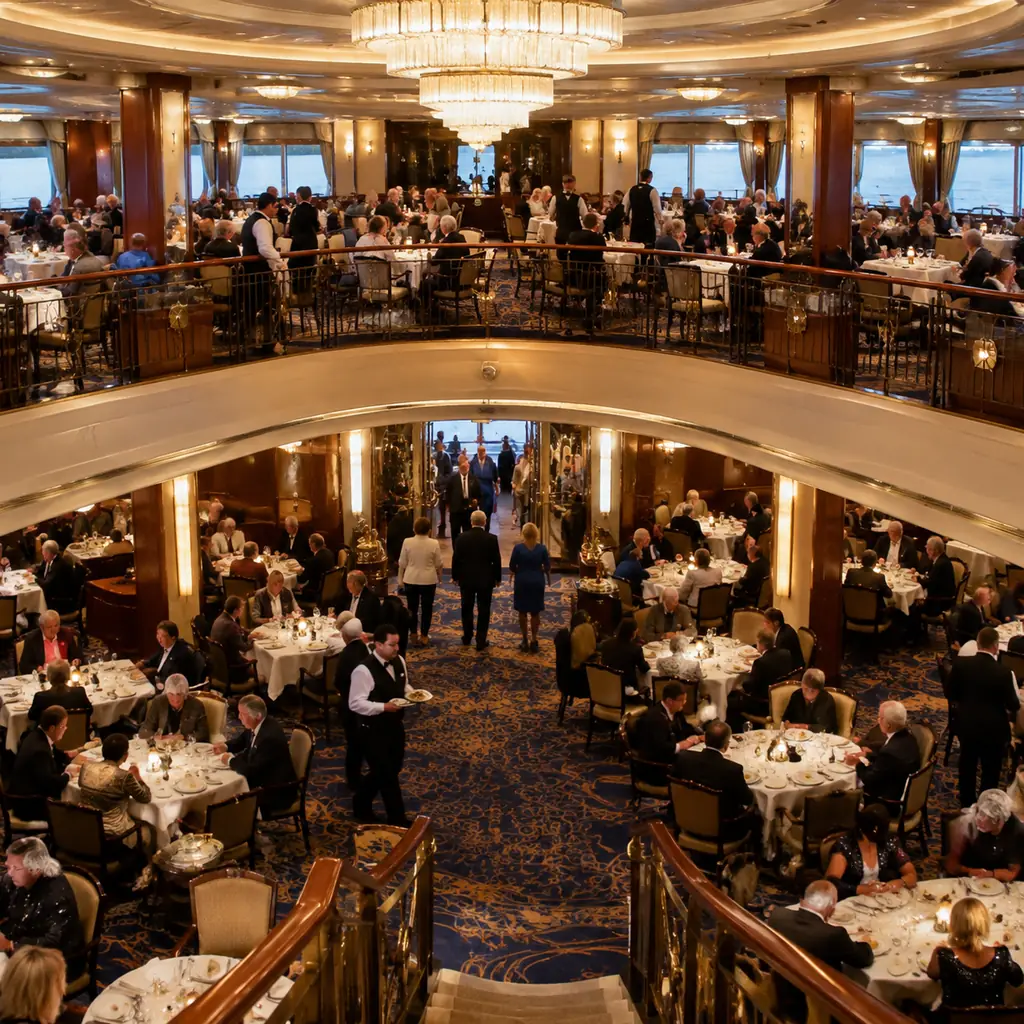
Ask six repeat cruisers which dining style is right, and the argument that follows is the surest sign you are among regulars.
For set dining: the same waiter learns your preferences by night two, a large group sits together, and there is nothing to reserve, the promise Princess sells with its traditional room. Princess dining announcement
For anytime: dinner fits the day, and a late excursion does not cost you dinner. Royal Caribbean’s FAQ names the compromise: a specific waiter or table is more likely with advance reservations and depends on availability. Royal Caribbean dining FAQ cruise.blog reports peak-time waits of up to 45 minutes without them. Flexible versus traditional dining
Neither side converts the other. What they share is that they chose on purpose, which is where this list began.
None of these habits require loyalty status, a suite or a dining package. They come from paying attention to how a ship feeds several thousand people a day, and from asking politely for what the dining room can usually give. Borrow the ones that fit how you travel, and by the second night the host may assume you have done this before.