
Editor's note: This article is an opinion piece based on publicly available passenger reviews, cruise line policies and industry reporting we found online.
A cruise is one of the easier ways for grandparents to take the grandkids away for a week, because the ship handles the meals, the entertainment and the moving around. The lessons below come from the parts the brochure skips: the paperwork at the terminal, who sleeps where and the moment a nine-year-old wants to leave the kids club on his own.
This list quotes what the cruise lines and U.S. Customs and Border Protection publish; it is not legal advice, and rules change, so confirm each one with your own line before you sail.
1. Choosing the ship by its reputation instead of the grandkids' ages
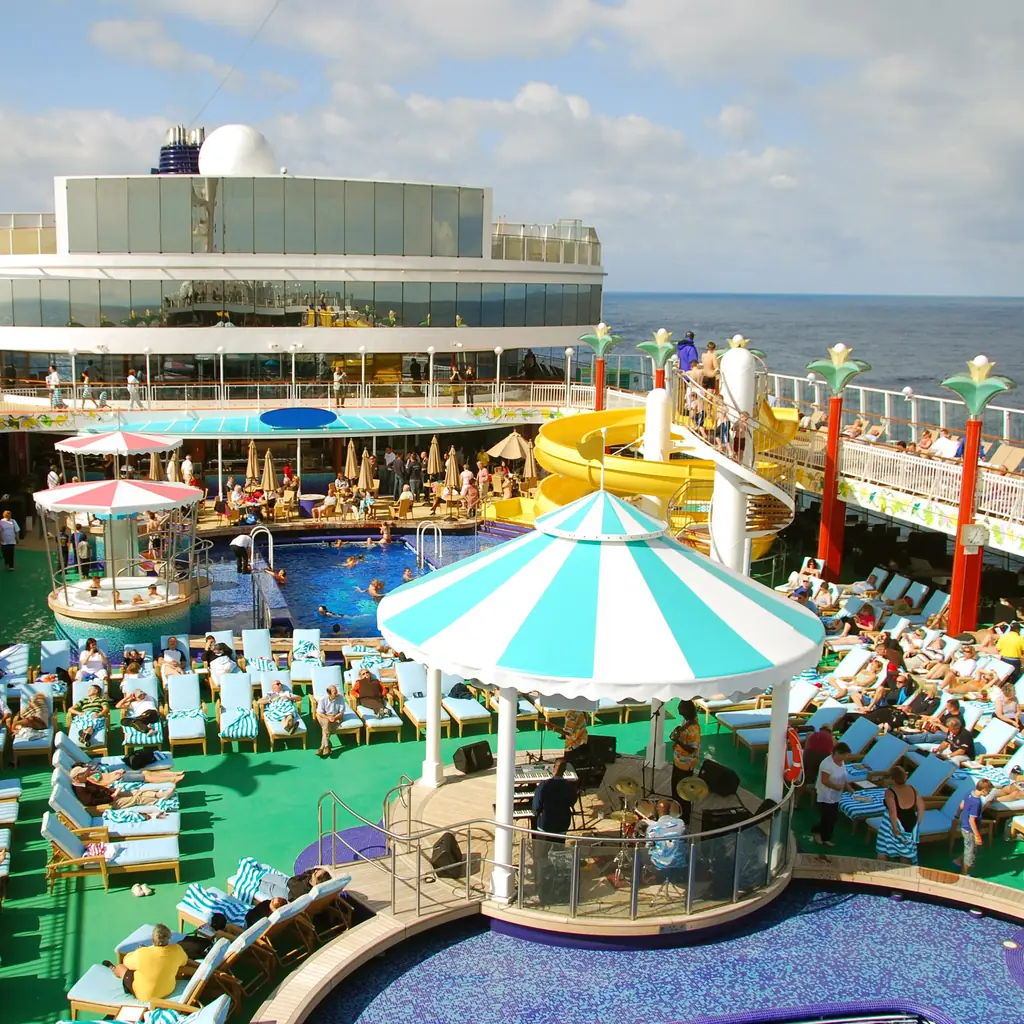
The family-friendly label covers a wide range of ships. A megaship with water slides suits a nine-year-old, while a quieter ship with one small pool suits a toddler and two grandparents who want to read.
Check the youth program against the actual birthdays. Carnival’s Camp Ocean takes children from age 2 in its Penguins group. Royal Caribbean’s Adventure Ocean gives full access from 3 to 11, with nursery services for 6 to 36 months on select ships (family program details). Norwegian’s Splash Academy runs from 3 to 12 (NCL family page).
A two-year-old on a ship whose club starts at three means one grandparent is on duty all week.
2. Waiting for a sale before booking the spring break week

Most U.S. districts break between early March and mid-April, and Easter falls on March 28, 2027, so the sailings on either side of that date fill first in most years.
Cruise Critic’s family-deals guide says peak seasons such as Thanksgiving, Christmas and spring break carry higher price tags, and that booking early is the usual way to catch discounted or free third and fourth guests (family cruise deals).
The cabins go before the prices move. Connecting rooms are a small share of any ship, so a grandparent who waits for a drop often finds the fare a little lower and the right rooms gone.
3. Skipping the hard conversation with the parents before the deposit

Many grandparents book first and negotiate later. The questions that cause friction are small and specific: who pays the fares, who pays for excursions and souvenirs, what bedtime is, whether the tablet comes, and what happens when a child misbehaves on day four.
Write the answers in a shared note before anyone pays a deposit. Add allergies, medications and the pediatrician’s number.
Parents who are coming along need a different version of this talk. Decide which evenings the grandparents are off duty and which the parents are, or the week becomes a polite standoff over who is watching the kids.
4. Squeezing four into one cabin to save on the second fare
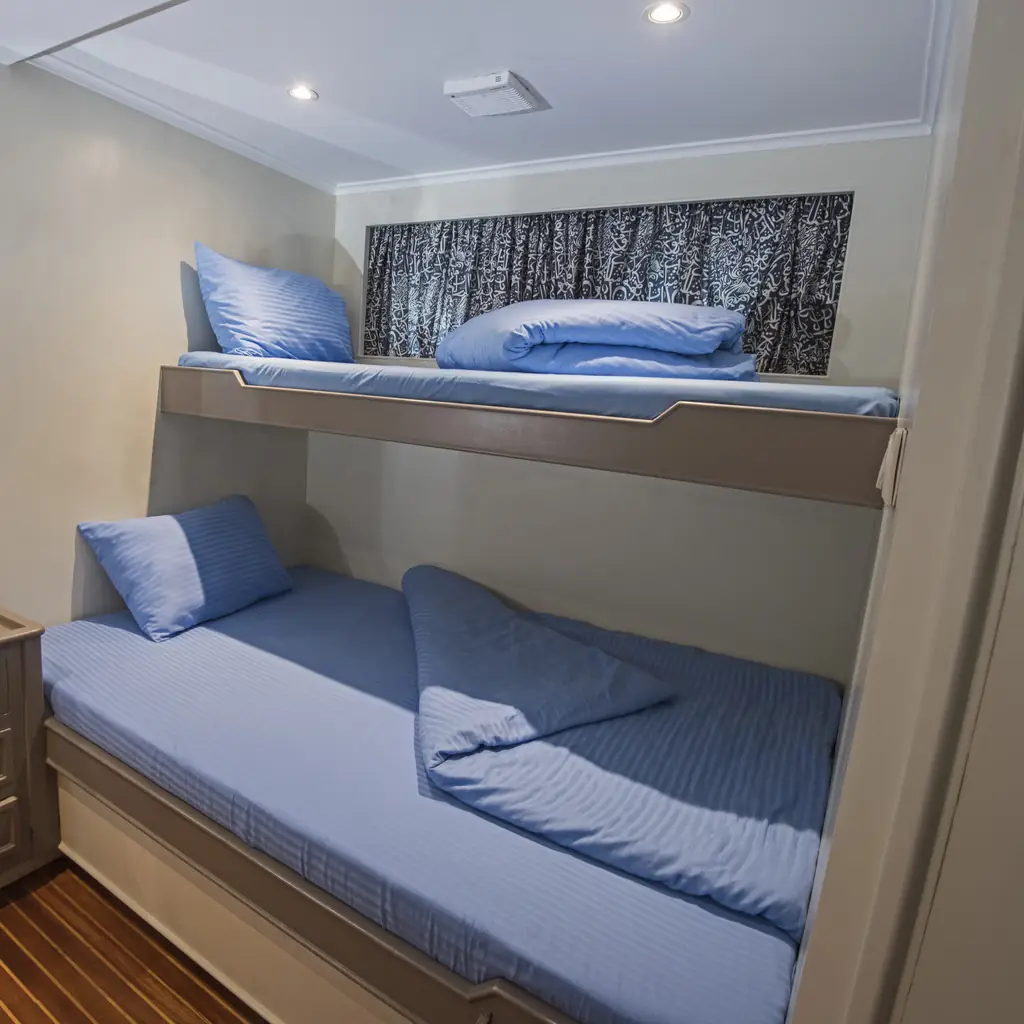
A standard cabin for four usually means two beds and two pullman bunks that fold down from the wall or ceiling. The floor space left is a strip between the beds, and one bathroom serves four people before dinner.
For seven nights with a grandparent who wakes at 5 a.m. and a teenager who sleeps until 10, it wears everyone down.
Look at the alternatives before you decide. Two connecting cabins give you a door you can close and a second bathroom. Royal Caribbean also sells purpose-built family spaces such as the Ultimate Family Suite and the Ultimate Family Townhouse on Icon-class ships (family staterooms).
5. Booking the teens their own cabin without reading the age rule
The cabin age rules are written around parents. Royal Caribbean assigns no guest under 21 to a stateroom on North American sailings without a guest 21 or older in the same room; its connecting-room exception is written for children sailing with parents or legal guardians (age policy).
Norwegian requires a guest 21 or older in the same or a connecting stateroom for anyone under 21 (NCL family rules), and Disney requires a minor not traveling with a parent to share a stateroom with an adult 21 or older (Disney terms).
Ask the line how its exception applies when grandparents are the adults. The simplest arrangement on paper is one grandparent in each cabin.
6. Leaving the notarized consent letter until the last week
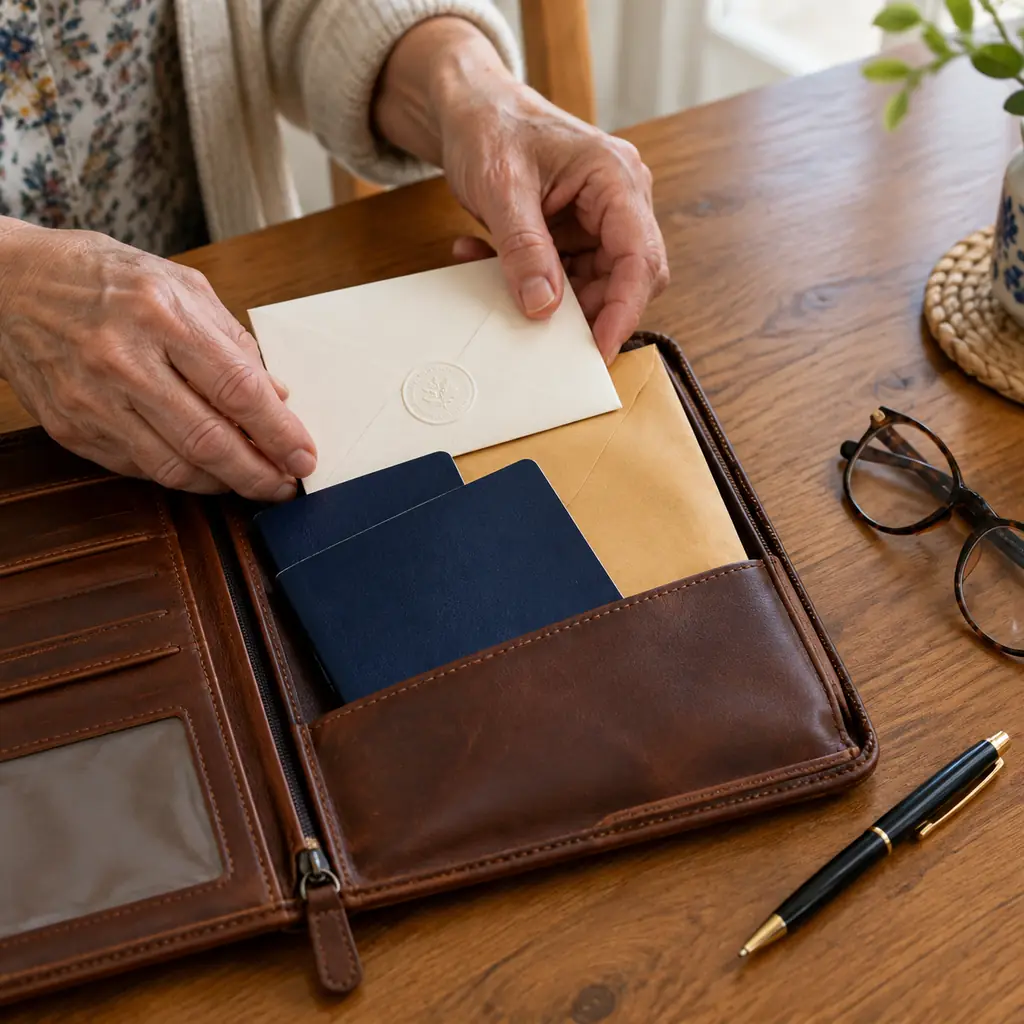
Grandparents most often discover this document too late. Royal Caribbean states that when a minor age 17 or under travels without a legal guardian, the accompanying adult must present a notarized form signed by the child’s guardian (travel documents hub). Its consent form names the ship and sail date, authorizes the adult to supervise the child, sign waivers and consent to medical treatment, and ends with a notary block.
Carnival asks for a completed consent form at check-in and strongly recommends an original signed letter from any parent who is not sailing (Carnival minor guest policy).
Get it signed and notarized a month out. A parent who is deployed, traveling or estranged can take weeks to pin down.
7. Assuming every line wants the same letter

Each line writes its own form and its own rule about who signs. Norwegian’s Parent/Guardian Consent Form must be signed by both living parents or legal guardians, with a copy of each signer’s government ID attached, and handed over at the pier; Norwegian states that failing to produce it may result in boarding being denied (NCL family requirements).
Disney’s Minor Authorization Form comes through My Disney Cruise or with the document package and must be signed by a parent or legal guardian before embarkation (Disney terms).
Print your own line’s form, not a generic template. A letter drafted to Royal Caribbean’s wording may lack the second signature Norwegian wants.
8. Assuming the cruise line's letter satisfies Customs too
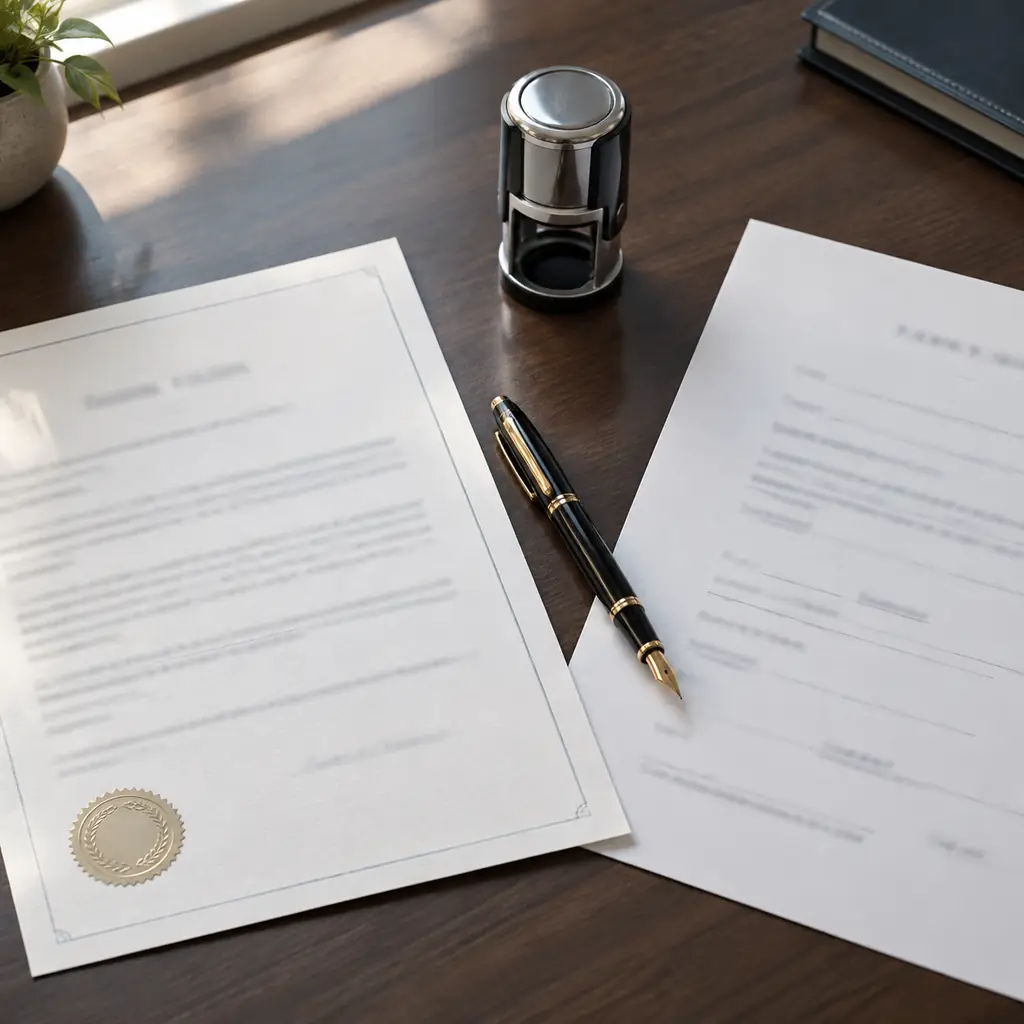
The cruise line checks its own form at the pier; U.S. Customs and Border Protection has a separate view. CBP’s published traveler guide advises having notarized travel permission letters for minors traveling without their parents, if possible, and for a child traveling with grandparents it suggests a note signed by both parents giving permission to travel out of the country (CBP traveler guide, PDF).
Many grandparents carry one notarized packet: the line’s form plus a short letter from both parents granting permission to leave the country.
CBP frames its letter as a recommendation; the lines frame theirs as a boarding requirement. Neither is worth testing with two grandkids and a suitcase at the terminal.
9. Bringing a photocopy of the birth certificate for the grandkids
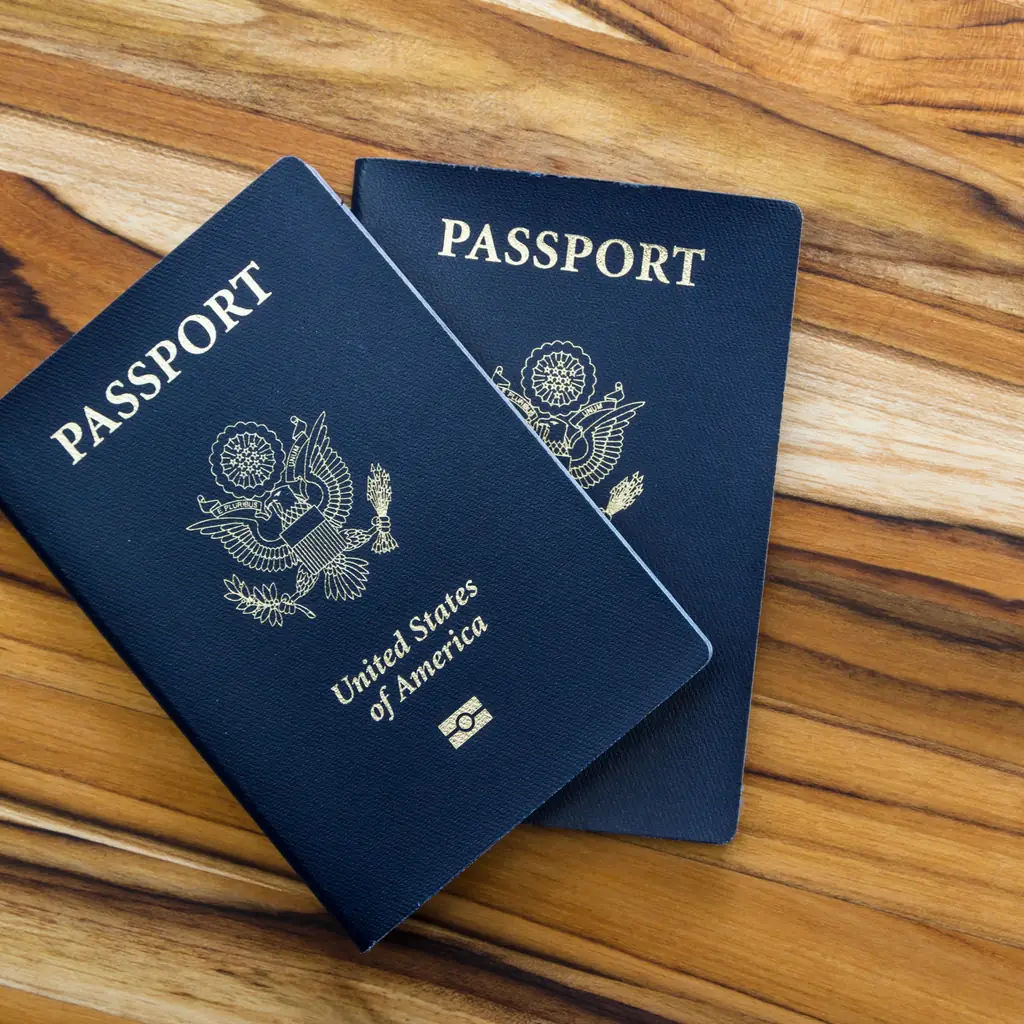
On round-trip sailings from a U.S. port, CBP says U.S. citizens may present a government-issued photo ID with proof of citizenship such as a birth certificate, and warns that the countries visited may still require a passport (CBP closed-loop guidance). The lines then apply their own standards.
Royal Caribbean accepts only a state-certified birth certificate: no hospital certificates, no baptismal papers and no photocopies. Guests 15 and under need only the certificate, those 16 and over also need photo ID, and names must match across documents (birth certificate rules).
Different last names draw questions. Royal Caribbean asks for an official supporting document when a child’s surname differs from the accompanying adult’s (child identification); ask what it expects from grandparents.
10. Skipping passports because the sailing is closed-loop

A birth certificate gets a U.S. citizen child onto a closed-loop cruise. It does not get the child onto a flight home from Cozumel if the family misses the ship, and it slows everything down at a foreign hospital.
The practical argument for a passport is that it keeps a bad day from becoming a stranded one. If a grandchild already holds one, check the expiration date before you rely on it.
Keep passports, birth certificates and the consent letter together in the bag that stays with you, the way experienced cruisers pack their documents, and not in the suitcase you hand to the porter.
11. Registering for the kids club on boarding day instead of before
Boarding afternoon on a school-break sailing has a line at the youth club desk, and the forms ask for things grandparents do not carry in their heads: the parents’ details, allergies, the exact birth date and who may collect the child.
Do the registration before you leave home. Carnival’s family guide tells parents to register for Camp Ocean before boarding (Carnival family guide), and Royal Caribbean encourages pre-cruise sign-up for My Family Time Dining (Family Time Dining). Have the parents fill them in, since the medical history is theirs.
If you hold loyalty status, priority boarding is one of the perks worth using on this trip.
12. Not deciding the sign-out rule before a nine-year-old asks

The rule about leaving changes with each age band. Carnival’s Camp Ocean groups are Penguins (2 to 5), Stingrays (6 to 8) and Sharks (9 to 11), followed by Circle C for 12 to 14 and Club O2 for 15 to 17.
For the Sharks, you choose. Carnival lets the guardian decide whether a 9-to-11-year-old may sign out alone; the child tells staff where he is going, no child signs out alone after 10 p.m., and other adults over 18 can be authorized to collect them (Camp Ocean 9 to 11 rules). Club O2 teens come and go freely (Club O2).
Decide the rule with the parents before you board, and put both grandparents on the authorized list.
13. Expecting the kids club to be free until midnight

Evening club hours stop being free at a set time. Carnival’s Camp Ocean is free nightly until 10 p.m. and then charges by the hour until 1 a.m., and Carnival’s family guide suggests checking which nights have themed Night Owls parties, usually the evening before a sea day (Carnival family guide).
Port days are the other gap. Some lines reduce club hours while the ship is docked, which is exactly when grandparents want a few hours ashore without a stroller.
A grandparent who books the specialty dinner for 8:30 and the kids’ pickup for 10 has already spent the evening before the check arrives.
14. Letting dinner run two hours with a hungry six-year-old
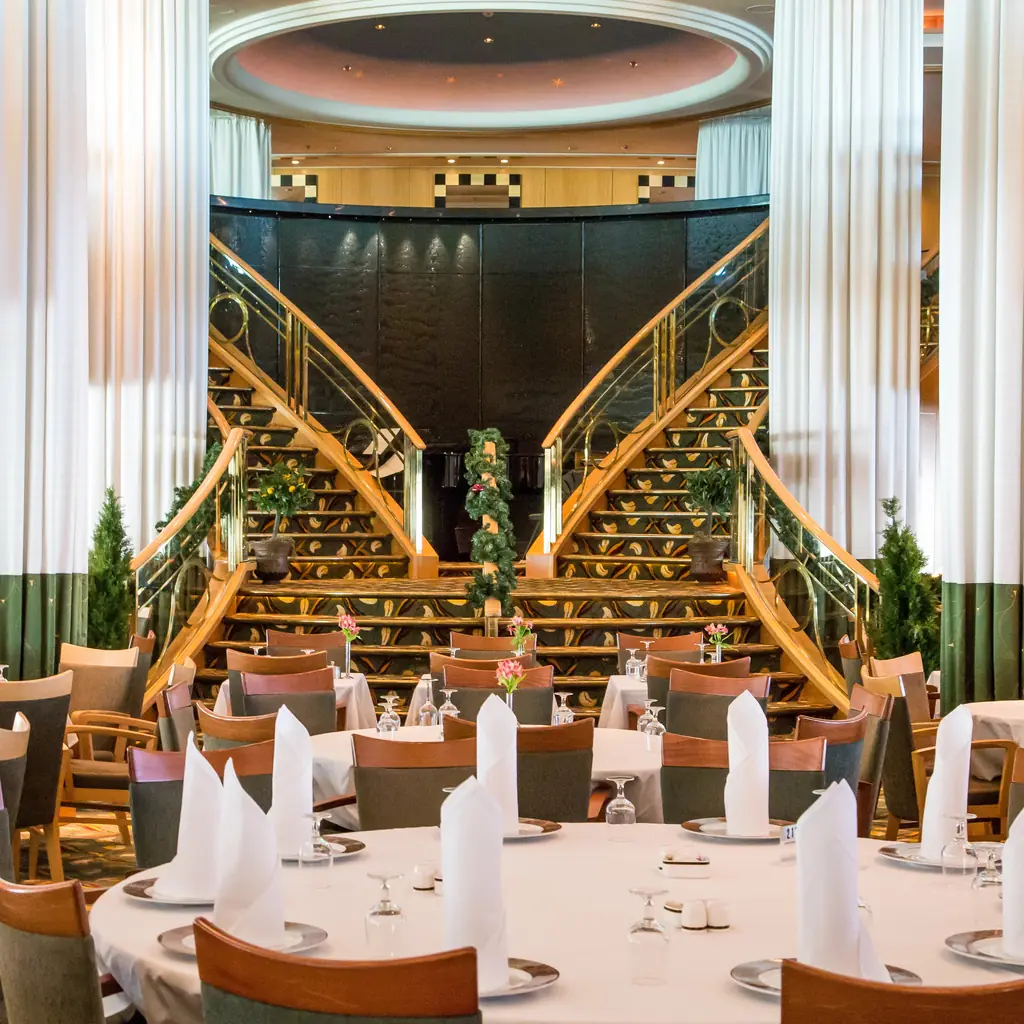
A main dining room dinner is built around courses and conversation, and a six-year-old’s patience runs out well before the entrées. Royal Caribbean’s dining guide lists a kids’ menu of chicken tenders, burgers, pizza and spaghetti (dining with kids); the trick is getting it to the table with your appetizers.
Ask the waiter on the first night to bring the children’s meals early.
Royal Caribbean’s My Family Time Dining, at the early seating for ages 3 to 11, serves the children within 45 minutes before Adventure Ocean staff collect them at the dining room doors; it starts on the second evening and needs a sign-up (My Family Time Dining). The dining habits regulars rely on matter twice as much with children at the table.
15. Choosing late seating because that is what you have always done

Couples who cruise together often prefer the 8 p.m. seating because it leaves the afternoon open. With a four-year-old, 8 p.m. is bedtime, and dessert arrives at 9:30 to a child asleep in the chair.
Early seating, or flexible dining before 6:30, suits most mixed-age groups. The cost is a shorter port day when the ship sails late; the reward is a quiet deck at 8:30.
On school-break sailings the early slots tend to fill first, so request the time at booking. If the trip falls over Thanksgiving or Christmas, the dining room runs differently again, and what a holiday sailing is really like is worth reading before you commit.
16. Handing a teenager a keycard with no spending limit
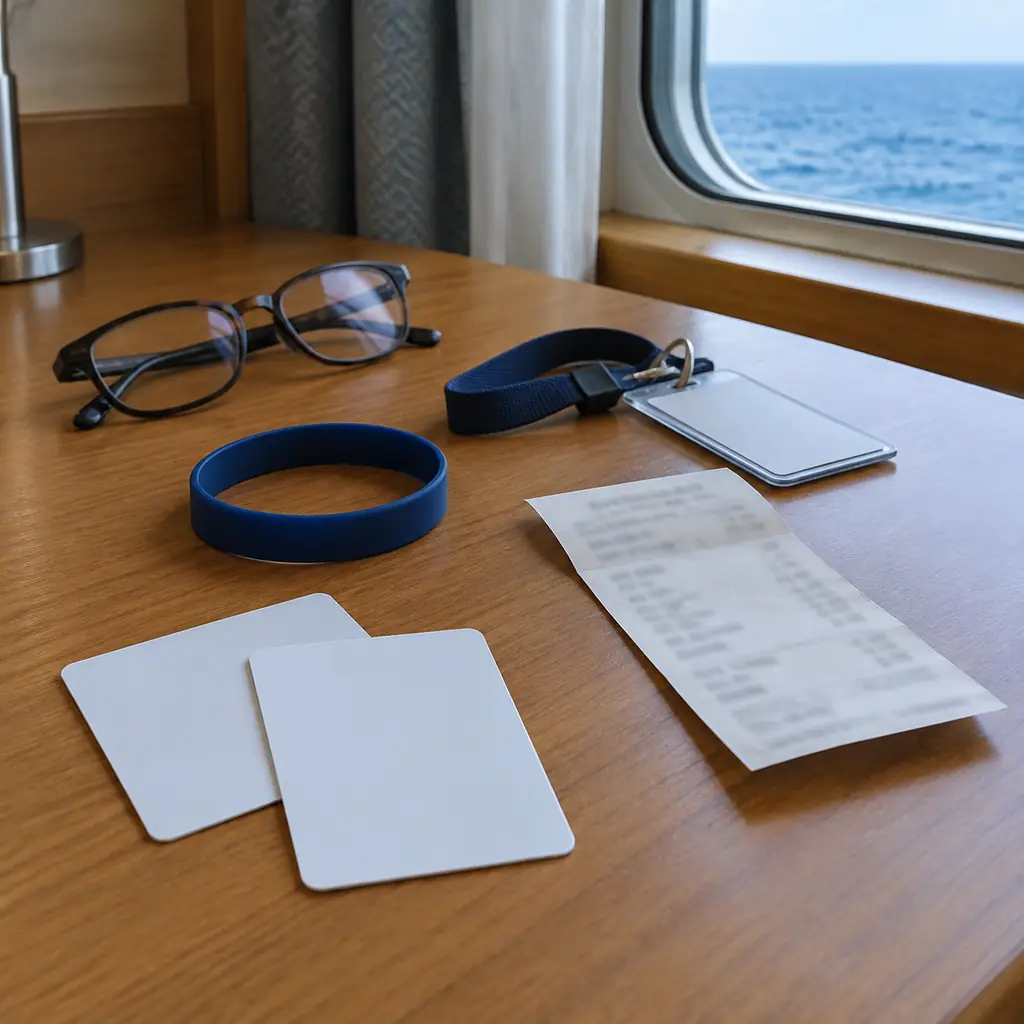
Each passenger, including a child, has an onboard account, and the cabin card also buys soda, arcade credits and photos. A grandparent who links the grandkids to one credit card without limits learns the total at the end of the week.
Set the limits at online check-in. Carnival’s Sail & Sign page states that minors must have an account and that the account owner can set spending limits or block charging entirely (Sail & Sign accounts).
Tell the grandchild the number, not just the rule. A teen who knows there is $25 a day on the card makes different choices from one who thinks it is free; the guide to making cruise money go further covers the other add-ons families overspend on.
17. Forgetting that gratuities are charged for every grandchild
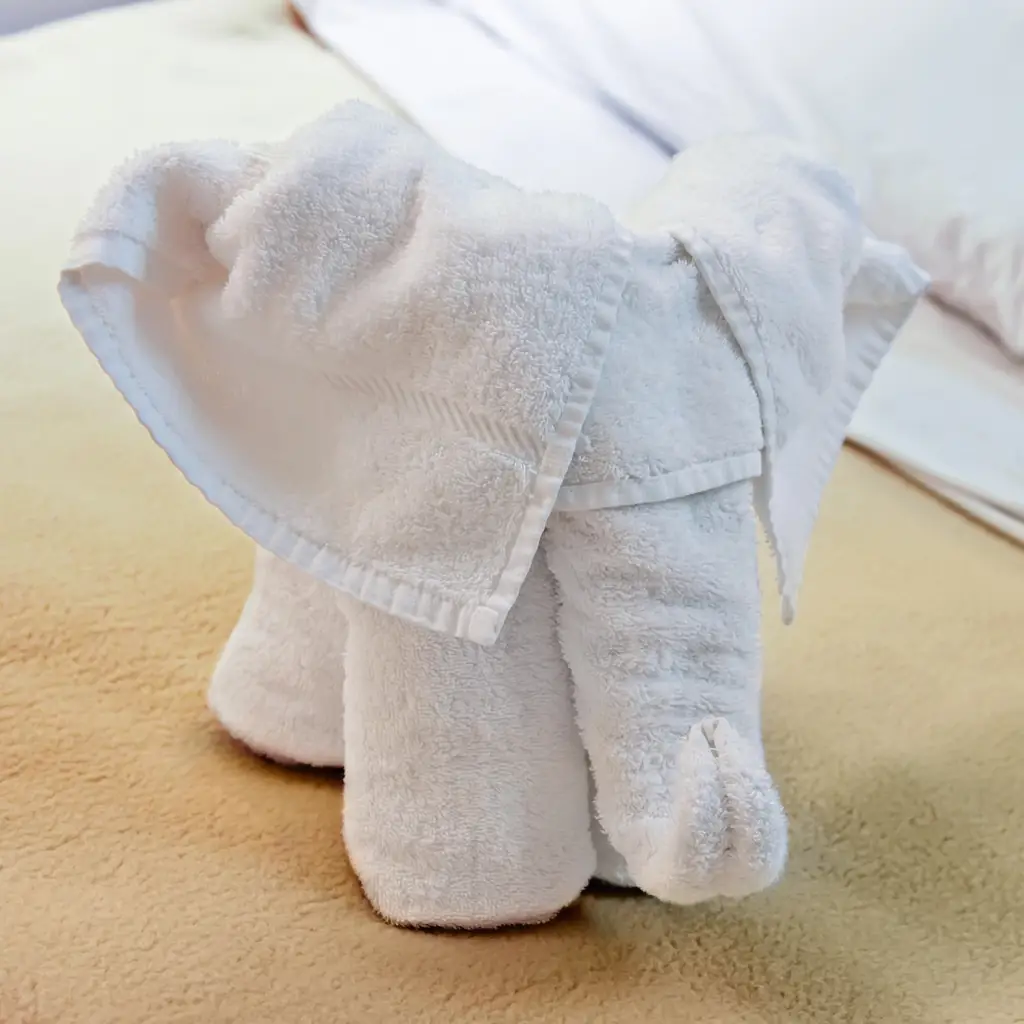
Daily gratuities are per guest, and a grandchild counts as a guest. Royal Caribbean’s published rate is $18.50 per guest per day in standard staterooms and $21 in suites, with no age exemption mentioned on its gratuity page (Royal Caribbean gratuities). Carnival states that children under 2 are not required to pay gratuities (Carnival infants and toddlers).
Do the arithmetic before the “who pays” conversation. Two grandparents and two grandkids on a seven-night Royal Caribbean sailing is $518 in gratuities alone at the standard rate, before Wi-Fi, a soda package or excursions.
Rates change, so check the figure for your sailing, and before buying packages for the grandchildren read which cruise packages are worth the hype.
18. Not finding the adults-only deck or an hour for yourselves

Family ships are loud by design, and grandparents who have not found the quiet spaces by day two end up planning the children’s week in detail and their own not at all.
Find the adults-only deck on boarding afternoon. Carnival’s Serenity Adult-Only Retreat is for guests 21 and over and is included in the fare (Serenity). Royal Caribbean’s adults-only page lists the Solarium and Hideaway Beach at Perfect Day at CocoCay for guests 18 and older and notes that limits vary by venue (adults-only areas).
Then block two hours a day for yourselves during club hours; the first-cruise guide to getting the most from the trip lists the included venues that make that hour cheap.
19. Booking the family-friendly excursion without reading the fine print

The label covers a 90-minute beach break and a six-hour bus tour alike. Mixed ages sharpen the difference: the toddler needs shade and a nap, the teenager needs something to do and the grandparents need somewhere to sit.
Read the age and activity notes before the photos. Royal Caribbean requires guests under 18 on its excursions to be accompanied by a parent or guardian who is at least 18, and tour operators set their own limits (excursion age rules).
Ask about the longest walk, the bus steps and whether the port uses tenders, as the guide to first-cruise mistakes suggests for anyone with a stroller or a cane. Splitting up is often better than one tour that disappoints all four.
20. Leaving the grandkids' medical paperwork with the parents
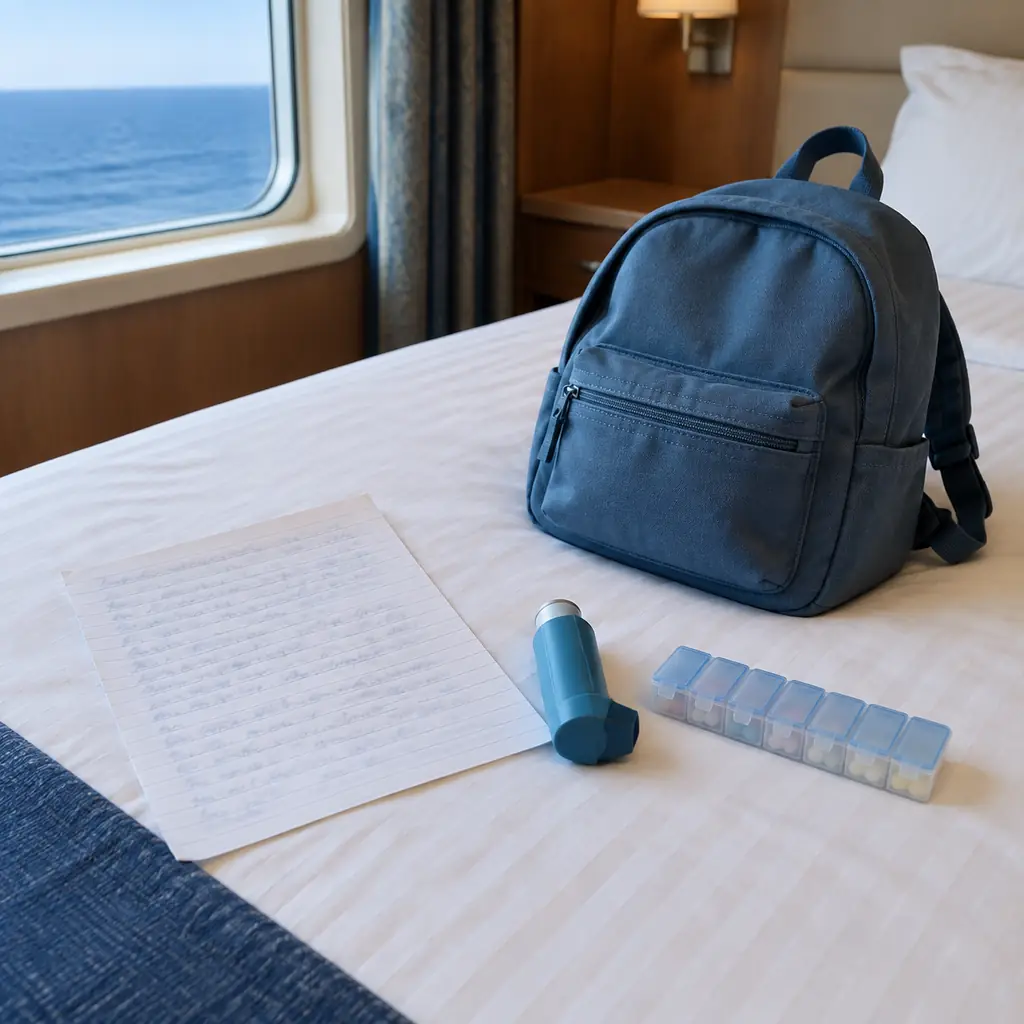
The consent form authorizes you to approve treatment. It does not tell the ship’s doctor what the child is allergic to, what dose of inhaler she uses or which pediatrician to call.
Bring a one-page medical sheet for each grandchild: medications and doses, allergies, conditions, insurance details and the parents’ and pediatrician’s numbers. Pack the actual medications in the carry-on, in their original containers, with a few extra days’ supply.
Ask the parents what their insurance covers at sea, since onboard medical visits are usually billed to the onboard account. A grandparent reciting a child’s history from memory at 2 a.m. in a ship’s infirmary is the scene this page prevents.
21. Having no plan for the moment a grandchild wanders off

A big ship has more than a dozen passenger decks and three or four places that all look like the pool. A seven-year-old who turns the wrong way out of the buffet is not lost for long, but the minutes feel different to a grandparent.
Set a meeting point and a cabin-number card on day one. Write the cabin number and a grandparent’s name on a card in the child’s pocket, and pick one unmistakable spot, such as the Guest Services desk.
On Star of the Seas and Legend of the Seas, Royal Caribbean’s app can show the location of children wearing a purchased WOW Band in some areas of the ship, with no internet package required (Find My Kid).
22. Setting the bedtime and screen rules after the first late night
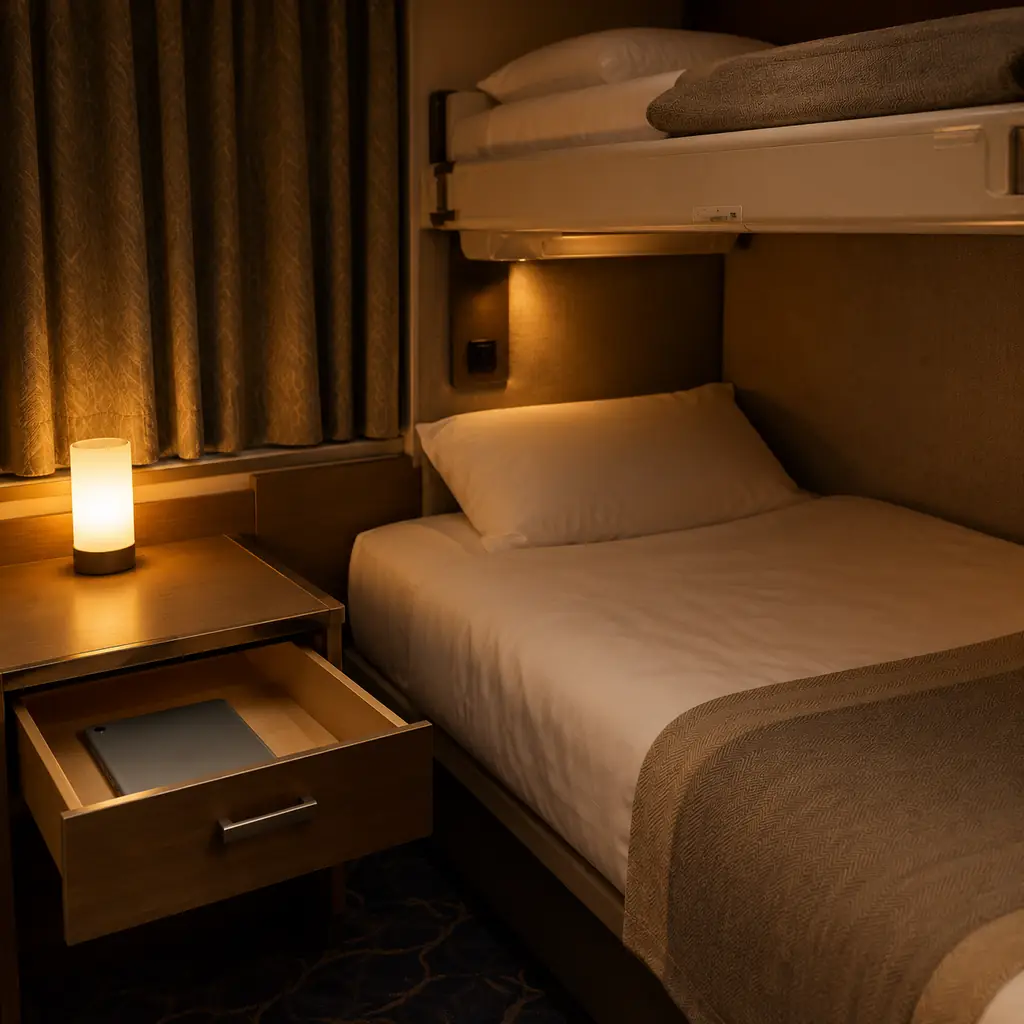
The first night onboard is exciting enough that bedtime slides, and by night three a nine-year-old who stayed up until midnight is a nine-year-old who cries at breakfast. Teens have the opposite problem, because the teen club lets them come and go.
Agree on the rules with the parents and say them out loud on night one. Include the hour the Wi-Fi device goes in the drawer, since an internet plan for every grandchild’s device is one of the week’s larger extras.
Cabin position shapes this too. A room under the pool deck or beside a teen lounge undoes a careful bedtime, and the cabins experienced passengers avoid explains which positions light sleepers rule out.
23. Waiting until the grandkids are old enough to appreciate it
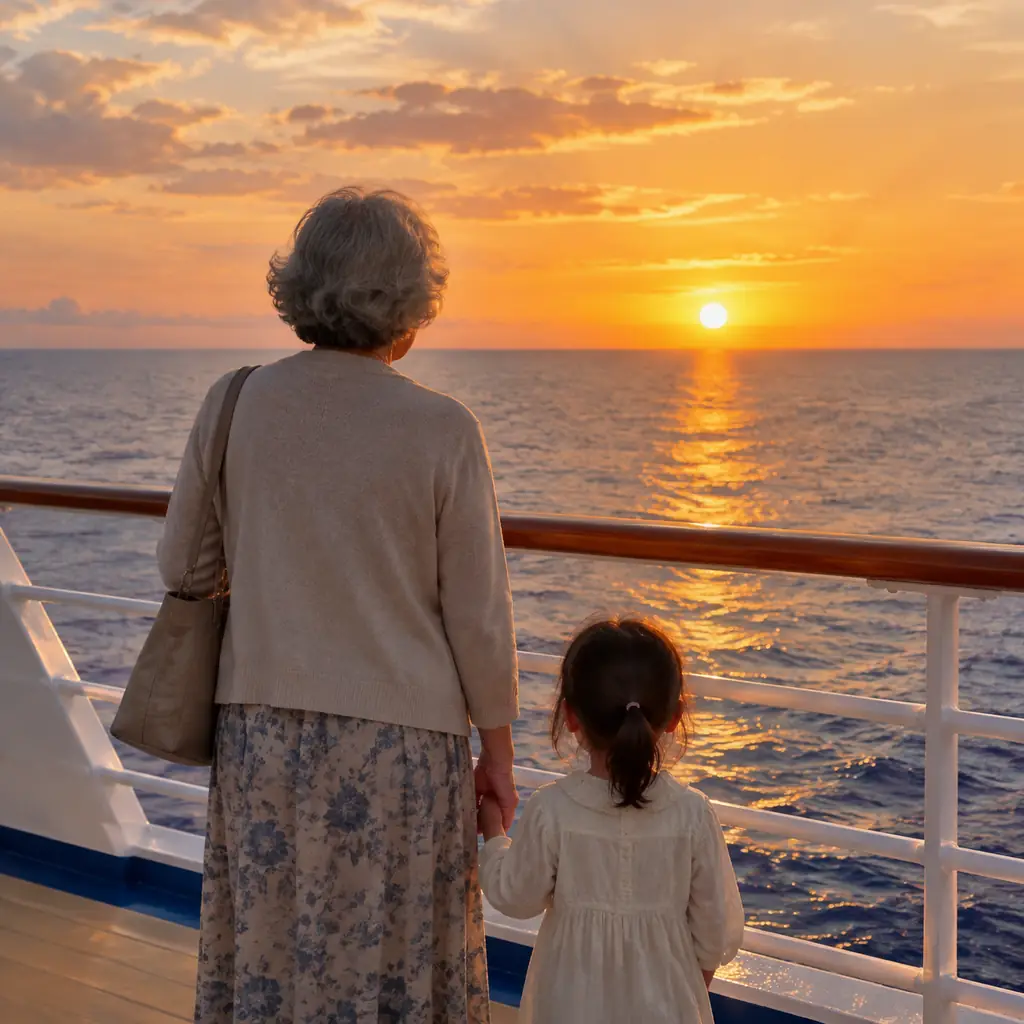
Many longtime cruising grandparents say the regret is about timing, not money. They waited until the children were old enough to remember the trip, and found that a fifteen-year-old has a summer job, a group chat and a strong preference for friends over grandparents.
The window is wider at the younger end than it looks. The youth programs begin at 2 or 3, and a seven-year-old treats a towel animal and a soft-serve machine as the high point of the year.
Book the sailing you can afford while the grandchildren still want to hold your hand on the gangway. The one they remember is rarely the biggest ship; it is the one where a grandparent had the time.
Settle the money and the rules with the parents, get the consent letter notarized a month out, choose cabins and dining times around the youngest child, and keep the adults-only deck and the kids club hours in the same plan. The grandchildren will remember the trip either way; these lessons are so you enjoy it too.