
Editor's note: This article is an opinion piece based on publicly available passenger reviews, cruise line policies and industry reporting we found online.
You can often tell a repeat cruiser by what comes out of the suitcase on the first night: a handful of magnetic hooks, a small charging cube, a bottle of wrinkle-release spray, and not one beach towel. First-timers tend to pack for a hotel that happens to float, and a cabin that may measure 150 to 200 square feet punishes that quickly.
This list covers the specific objects longtime cruisers bring, the ones they deliberately leave at home, and the items ship security removes at the terminal. Rules differ by line and change with little notice, so treat the linked policy pages as the final word for your own sailing.
1. Magnetic hooks for the steel cabin walls
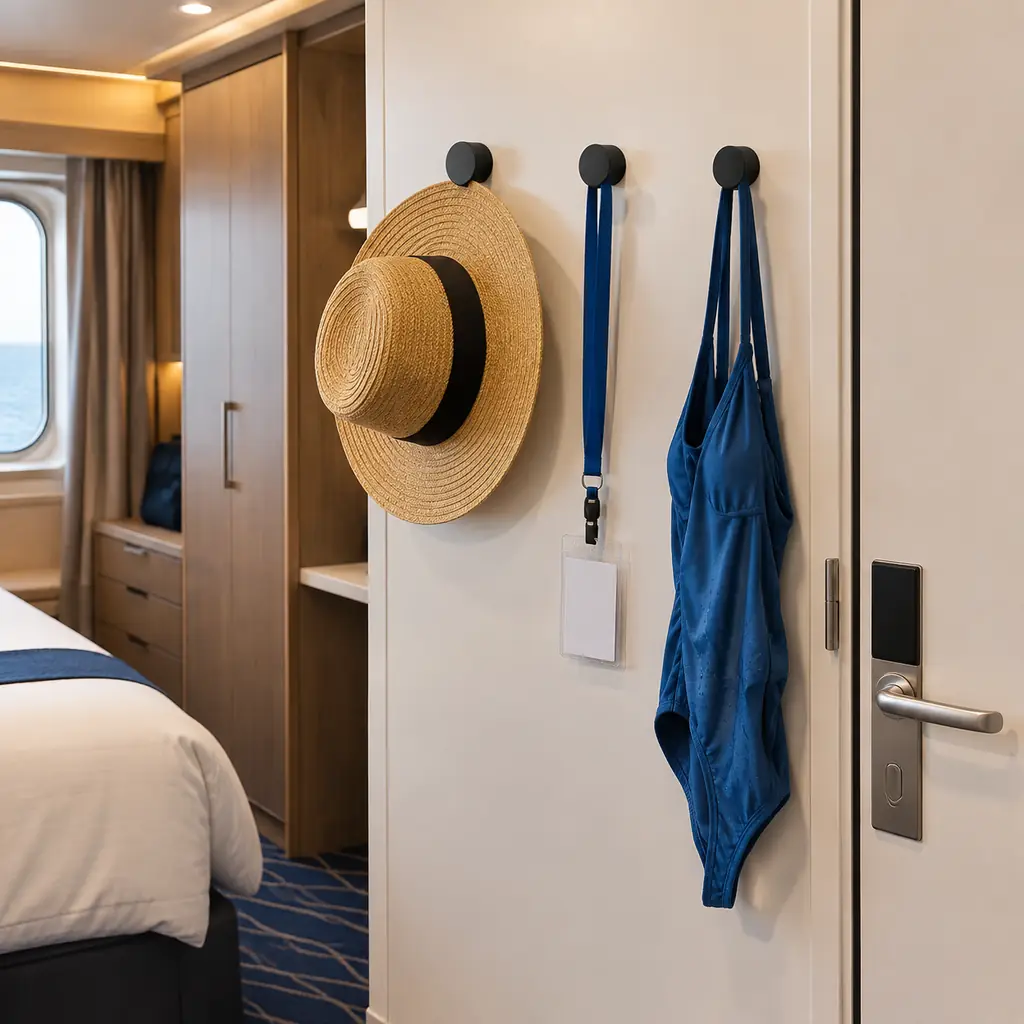
Most cabin walls and ceilings are steel under the finish, which is why repeat cruisers carry six to ten strong magnetic hooks and put them up before the suitcases arrive.
Wet swimsuits hang beside the bathroom door instead of dripping on the carpet. Hats, the daily program, sunglasses and the small bag for port days all come off the desk and the one chair.
Check the hold before you trust it: cheap hooks slide down a smooth wall under a wet towel. Hooks rated for 20 pounds or more cost a few dollars each and come home for the next cruise.
2. A USB charging cube instead of a surge-protected power strip
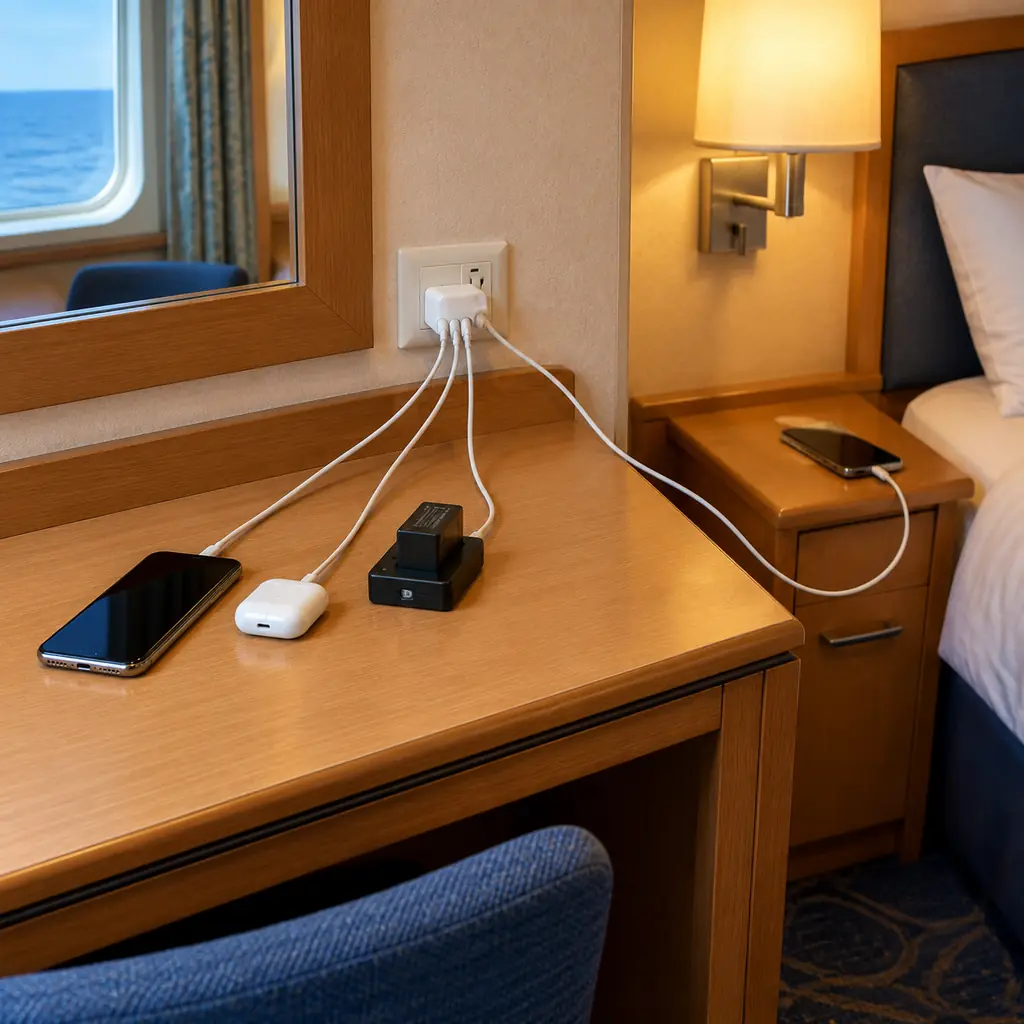
Many cabins still offer only one or two outlets, usually at the desk. First-timers pack the surge-protected power strip they use at home, and security takes it at the terminal.
Royal Caribbean lists extension cords, power strips and multi-plug outlets among its prohibited electrical items. Princess bans anything with a surge protector, but says a strip or cord without one may be kept after the ship’s electricians inspect it.
The veteran’s version is a small USB charging cube with four to six ports and no surge protection, plus a six-foot cable so the phone reaches the nightstand. Anyone traveling with a CPAP machine should ask the line’s accessibility desk about an extension cord before sailing.
3. An over-the-door shoe organizer, hung inside the cabin
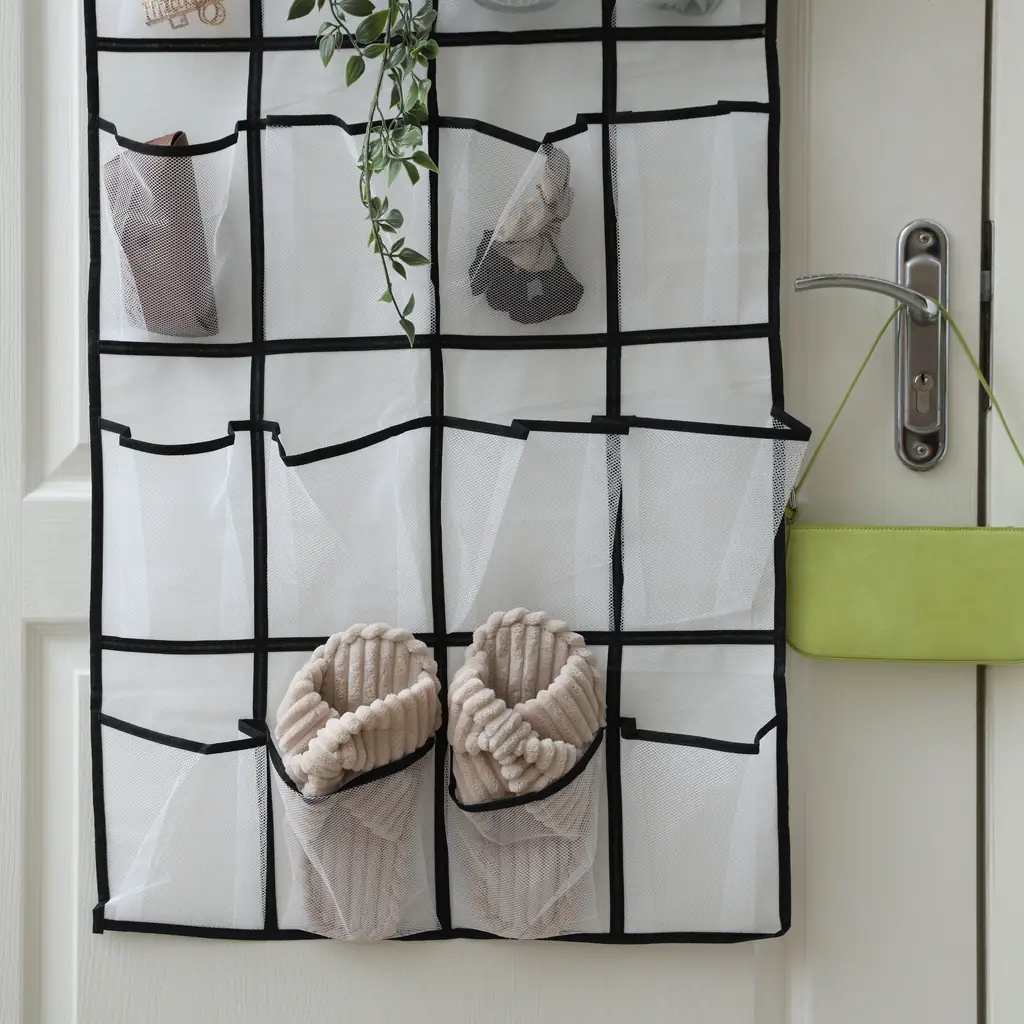
The bathroom shelf in a standard cabin holds about two toiletry bags. A clear over-the-door shoe organizer with 20 or so pockets turns the inside of the cabin door, or the bathroom door, into a wall of sunscreen, chargers, medications, sunglasses and the key card.
Hang it inside, not in the corridor. Carnival’s stateroom decoration rules say over-the-door organizers must hang inside the stateroom, must be made of fire-retardant material and cannot damage the door (Carnival decoration guidance).
Why first-timers skip it: it looks like dorm-room gear. Then they spend the week digging through a suitcase under the bed for a phone charger.
4. Packing cubes and a collapsible laundry bag
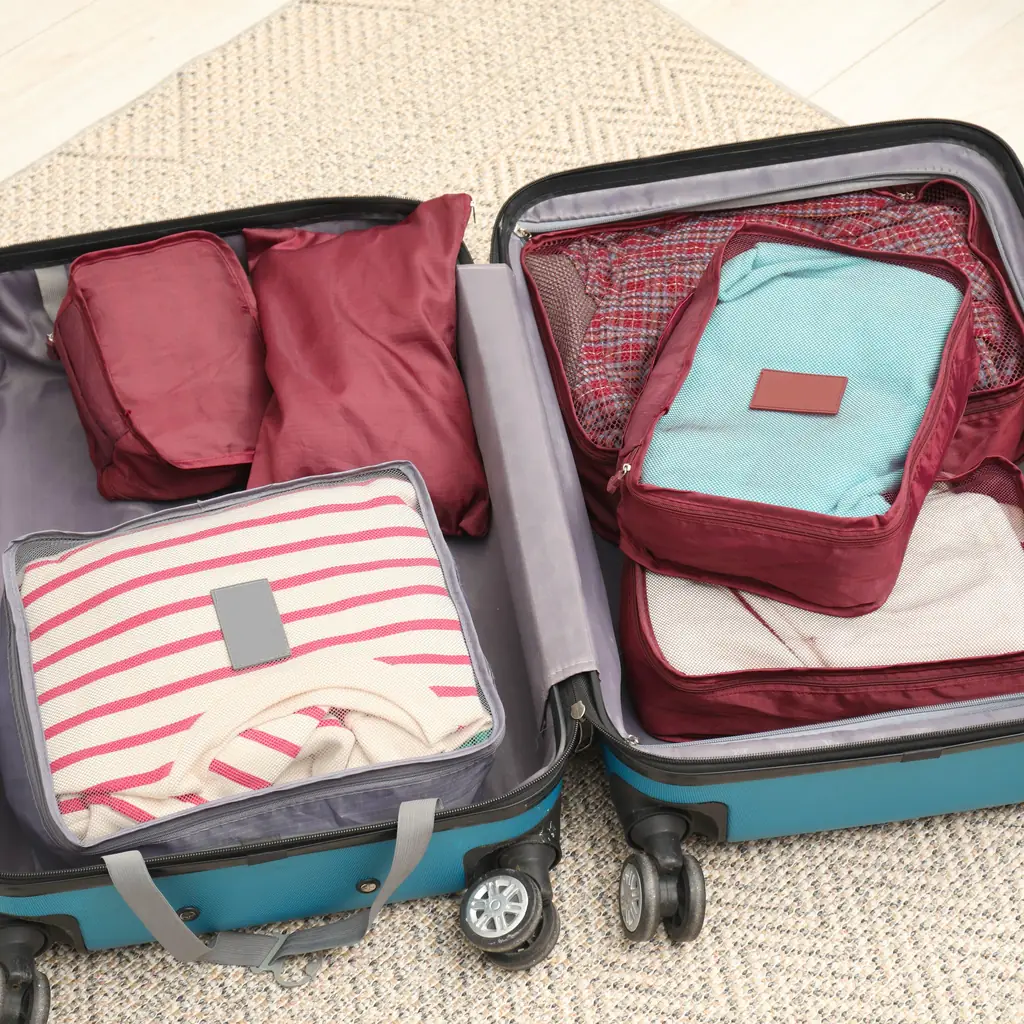
Cabin wardrobes are narrow and the drawers are shallow. Packing cubes let you lift a whole category, such as sea-day clothes or the formal-night pieces, onto one shelf on the first afternoon and slide the empty suitcase under the bed.
A collapsible mesh laundry bag solves a problem few first-timers plan for: seven nights of worn clothes with nowhere to go. Without it, the sofa becomes the hamper by the second sea day.
On a sailing of ten nights or more, many longtime cruisers plan one laundry day. Royal Caribbean notes that laundry and dry cleaning are offered for a fee, and paying it beats packing a second suitcase.
5. A battery clock or nightlight for a windowless cabin
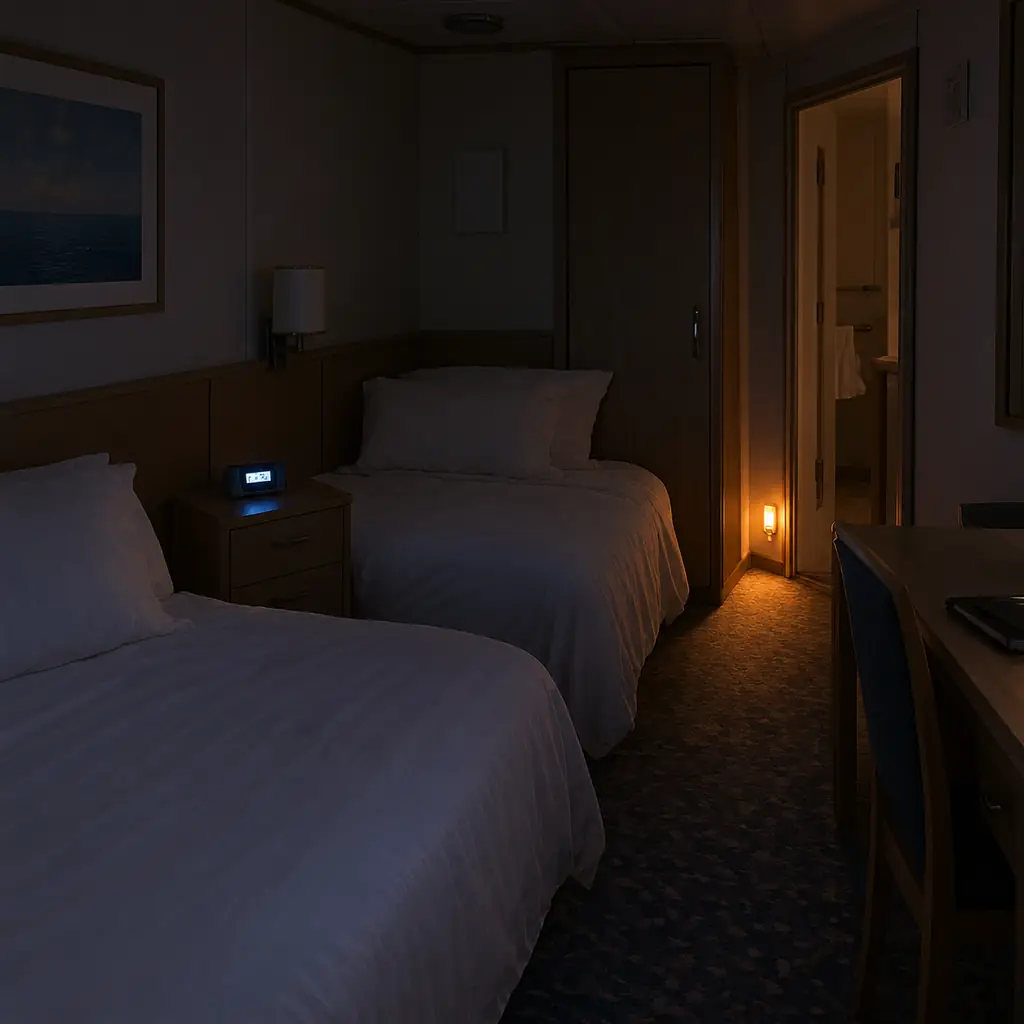
An inside cabin with the lights off is darker than almost any bedroom on land. Few cabins have a clock, and the phone may be on ship time, local time or airplane mode depending on how the day went.
Repeat cruisers in interior cabins pack a small battery alarm clock with a lit face, and a battery nightlight for the path to the bathroom.
The consequence of skipping it is waking at 10:40 with the tender line already long, or finding the bathroom step with a toe in the dark. A ten-dollar clock is cheaper than a missed port.
6. A lanyard, or the phone case that replaces it
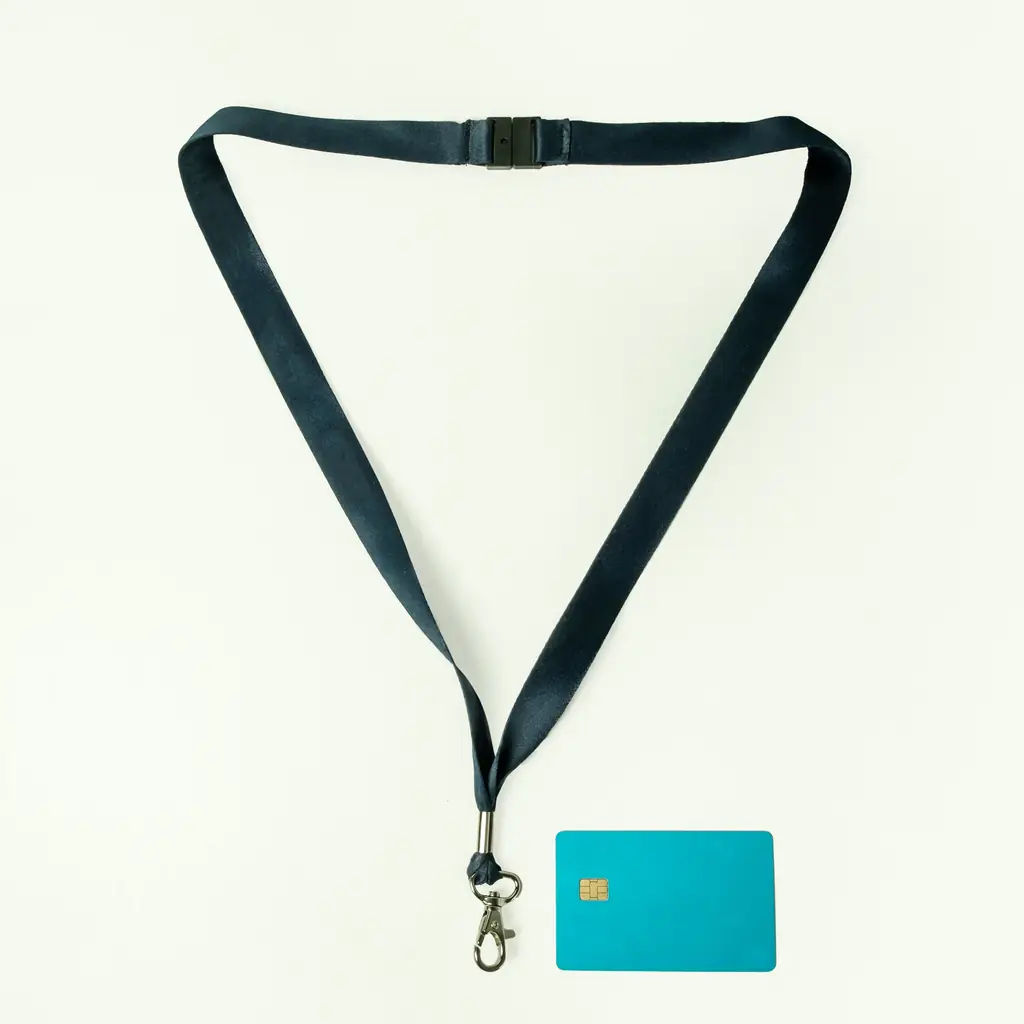
Many first-timers buy a lanyard for the key card, then notice that half the regulars are not wearing one. Repeat cruisers disagree about this item more than almost any other.
The case for it: the card opens the door, pays for drinks and gets you back aboard, and a lanyard keeps it out of a pocket that empties onto a deck chair. On ships that use a wristband or a phone app for the same jobs, the lanyard is unnecessary.
The case against it: a phone case with a card slot does the same work without a badge on your chest. Decide before you sail, not at terminal-shop prices.
7. The travel iron or steamer that gets pulled at the terminal
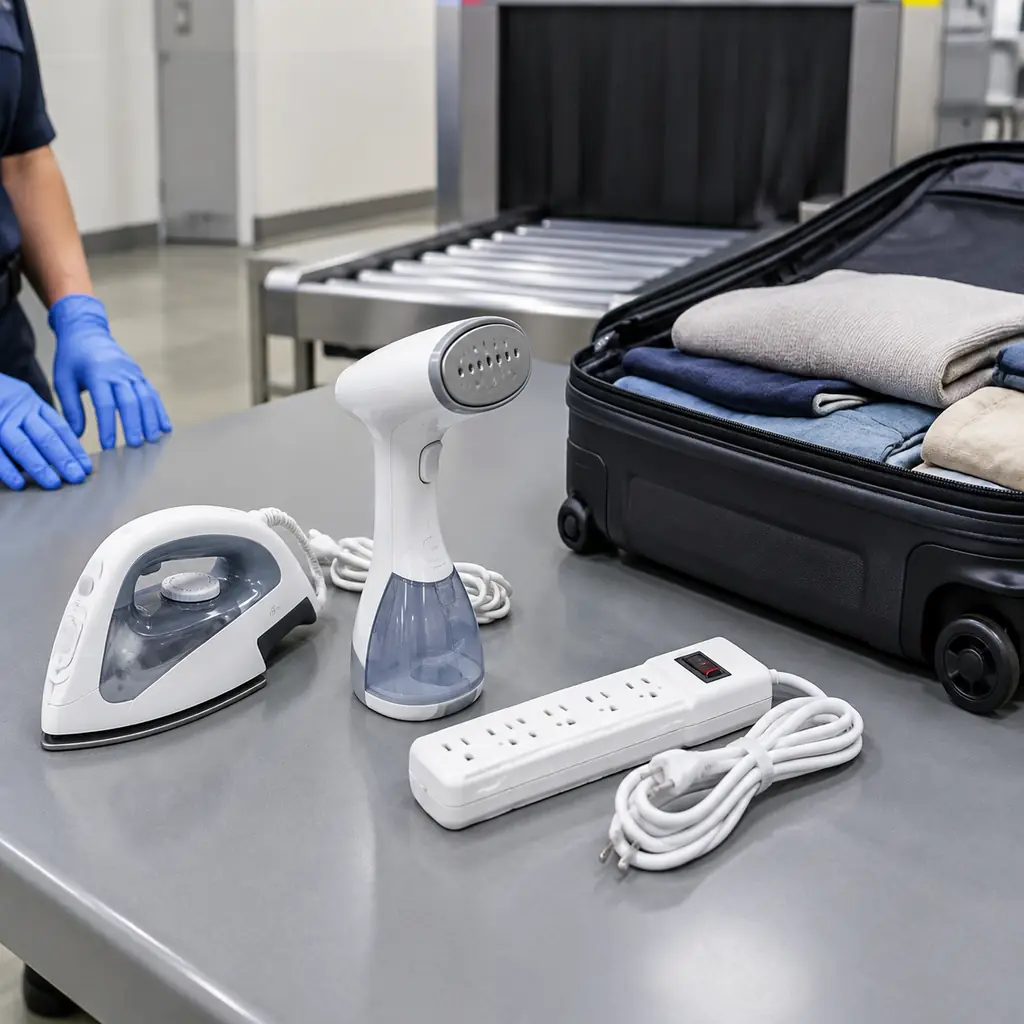
Clothing irons and steamers are the classic confiscated items, and the rule is close to uniform. Royal Caribbean names clothing irons and garment steamers as prohibited. Princess bans items with any kind of heating element, including garment irons (Princess prohibited items). Norwegian lists irons among heating-element items, and MSC’s list names clothing irons, kettles and hotplates.
Hair dryers, flat irons and curling irons are generally allowed under those same policies.
What happens: the iron is pulled at screening, and whether you see it again depends on the line. Experienced cruisers bring wrinkle-release spray instead and use the ship’s pressing service for the one outfit that matters.
8. Candles and incense for a cozy holiday cabin

A December sailing makes people want the cabin to smell like home. Candles and incense are on the prohibited list at Royal Caribbean, whose conduct policy groups them with other open-flame and heat-producing items. Princess, Norwegian and MSC list them the same way.
Battery tea lights are the repeat cruiser’s answer, and they survive the trip inside a sock.
Watch the batteries: Royal Caribbean’s recent decoration guidance, as reported by Jetsetter Guide, discourages lithium-powered lights, so choose tea lights that run on standard alkaline cells.
9. A Bluetooth speaker for the balcony
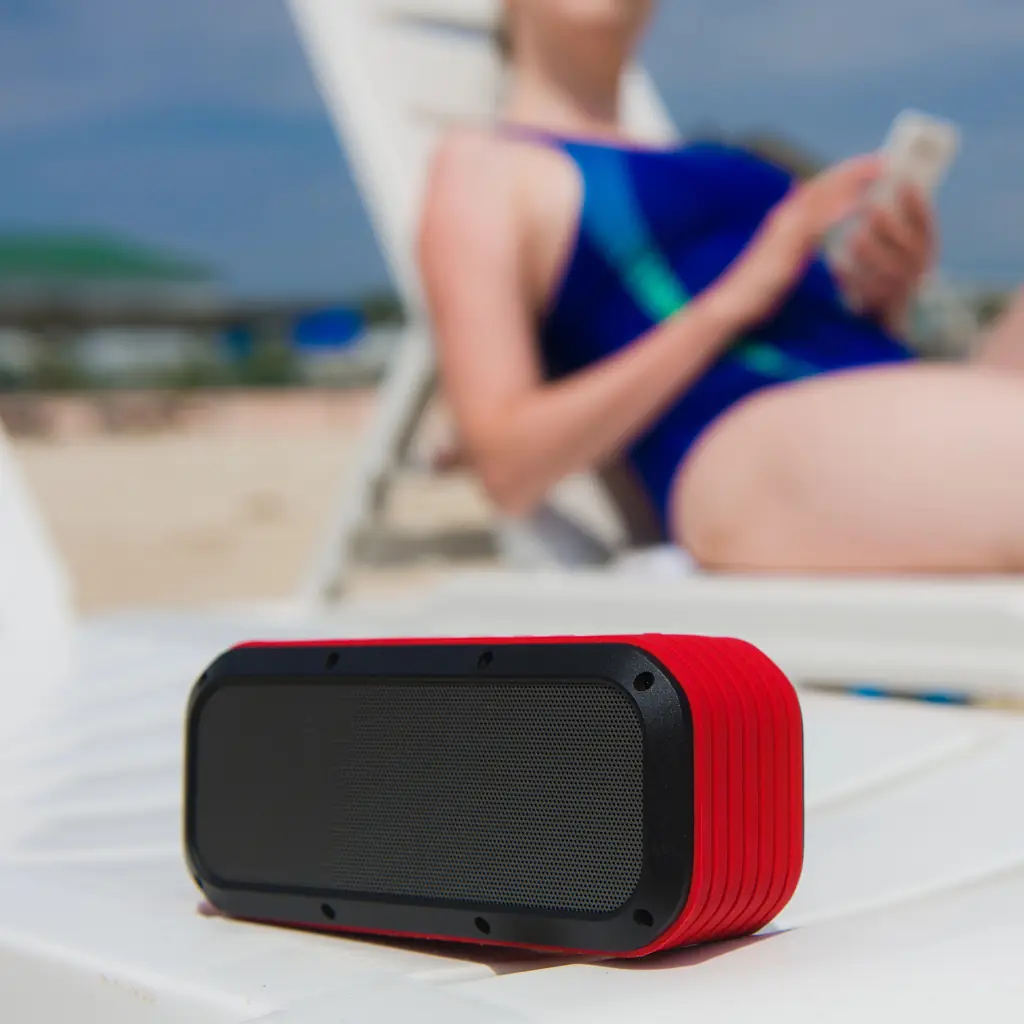
Carnival’s pre-cruise safety page states that all speakers, including Bluetooth and portable models, are prohibited on board (Carnival safety information). Norwegian’s conduct policy lists boom boxes among items not to be used on board (Norwegian guest conduct policy).
Experienced cruisers bring earbuds and a small travel pillow for the lounger instead. The neighbor two balconies down can hear a speaker at any volume, and the cabin steward will be sent to ask.
Why first-timers pack one: it worked at the beach house. A ship is a few thousand people sharing a corridor and a stretch of open air.
10. The drone for the private-island flyover
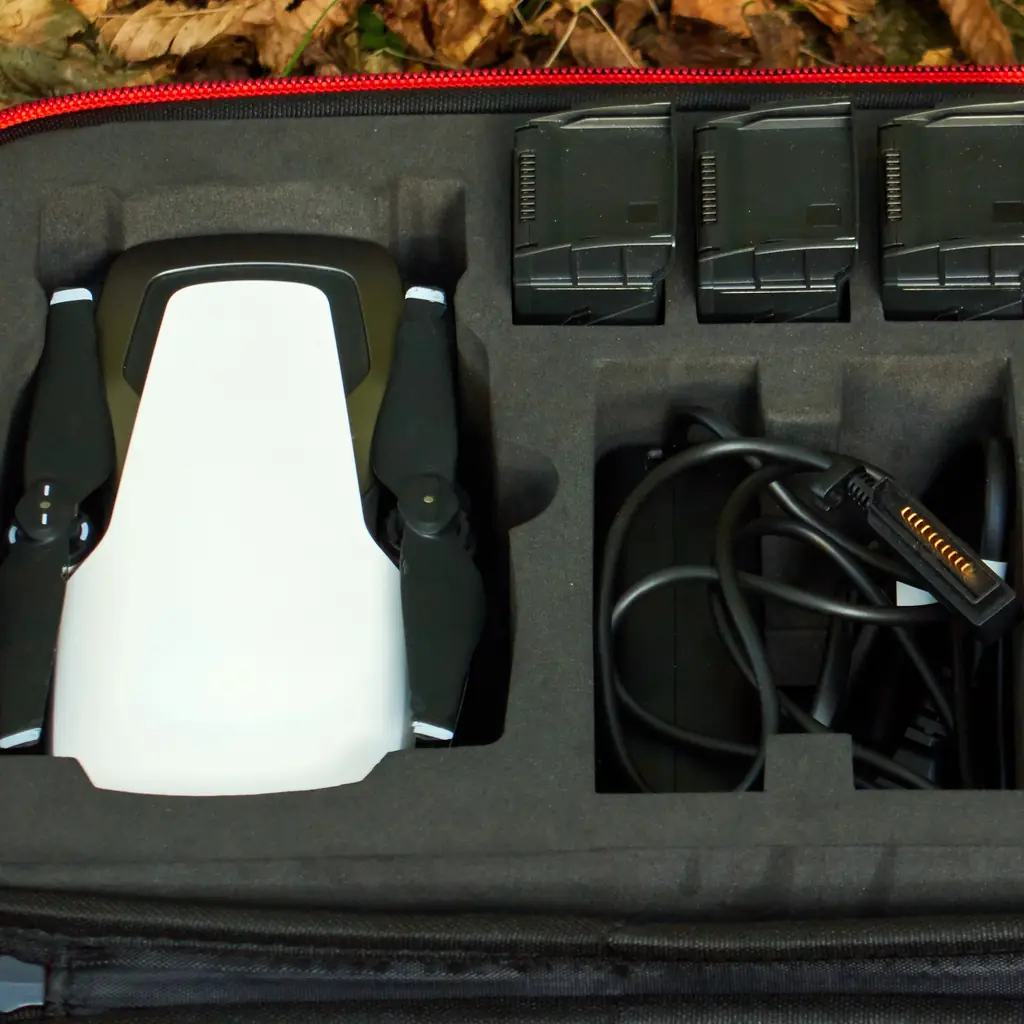
Princess lists drones, under their formal names of unmanned aerial vehicle and remotely piloted aircraft, as prohibited (Princess prohibited items). Norwegian bans any remotely controlled or autonomously flying device (Norwegian prohibited items). MSC allows a drone to be stored in the cabin but not flown on board (MSC forbidden items).
Even where storage is allowed, the line’s own rules bar flying it from the ship, and foreign ports have their own permit systems.
The repeat cruiser’s alternative is a compact camera or a phone with a good zoom. The drone may spend the week in the security office either way.
11. One sealed bottle of wine in the carry-on, nothing stronger
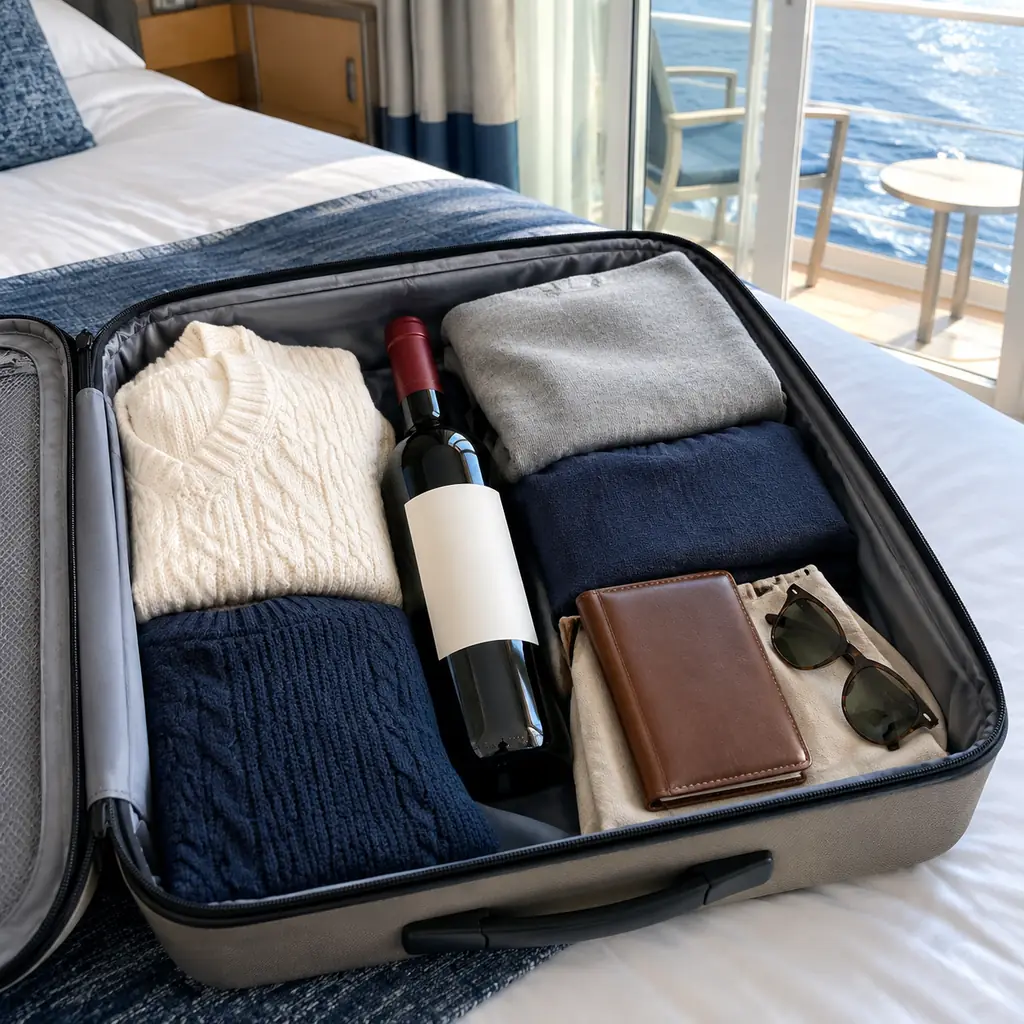
Royal Caribbean allows each adult one sealed 750 ml bottle of wine or champagne on boarding day, plus 12 cans or cartons of non-alcoholic drinks per stateroom; beer or hard liquor found at boarding is seized and not returned (Royal Caribbean beverage policy). Norwegian allows only sealed wine, with a $15 corkage fee per 750 ml bottle (Norwegian FAQ), and Carnival bars hard liquor, beer and bottled beverages (Carnival safety information).
Longtime cruisers carry the one allowed bottle in hand luggage and open it on the balcony on sailaway night.
A bottle of rum in the checked bag means a suitcase held at security and an evening spent collecting it. Before buying a drinks package to replace it, read which cruise packages are worth the hype.
12. One dark suit or cocktail dress that covers every formal night
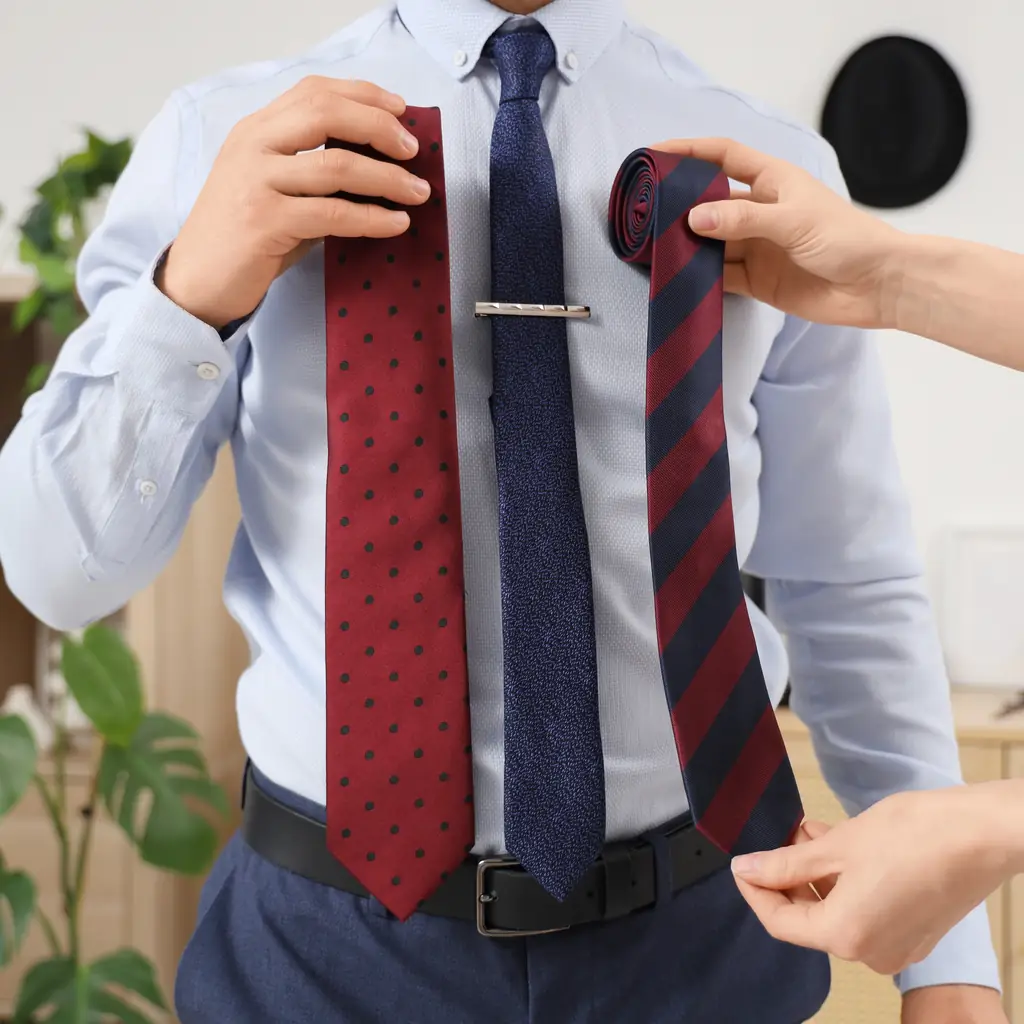
Royal Caribbean schedules two formal nights on 6- to 10-night cruises and suggests suits and ties, tuxedos, cocktail dresses or evening gowns (Royal Caribbean dress code). Carnival’s Cruise Elegant evenings run twice on sailings of six days or more, with a sport coat suggested for men and cocktail dresses or pantsuits for women (Carnival dining dress code). Princess calls its version Dress to Impress (Princess packing guide); Norwegian’s Night Out is optional (Norwegian style guide).
Experienced cruisers pack one dark suit or one dress and change the tie, jewelry or shoes for the second night. First-timers pack two complete outfits and a garment bag, and the second outfit stays on the hanger.
The dress code applies in the main dining room, where the other dining habits that separate regulars from first-timers show up too.
13. Wrinkle-release spray and a few extra hangers
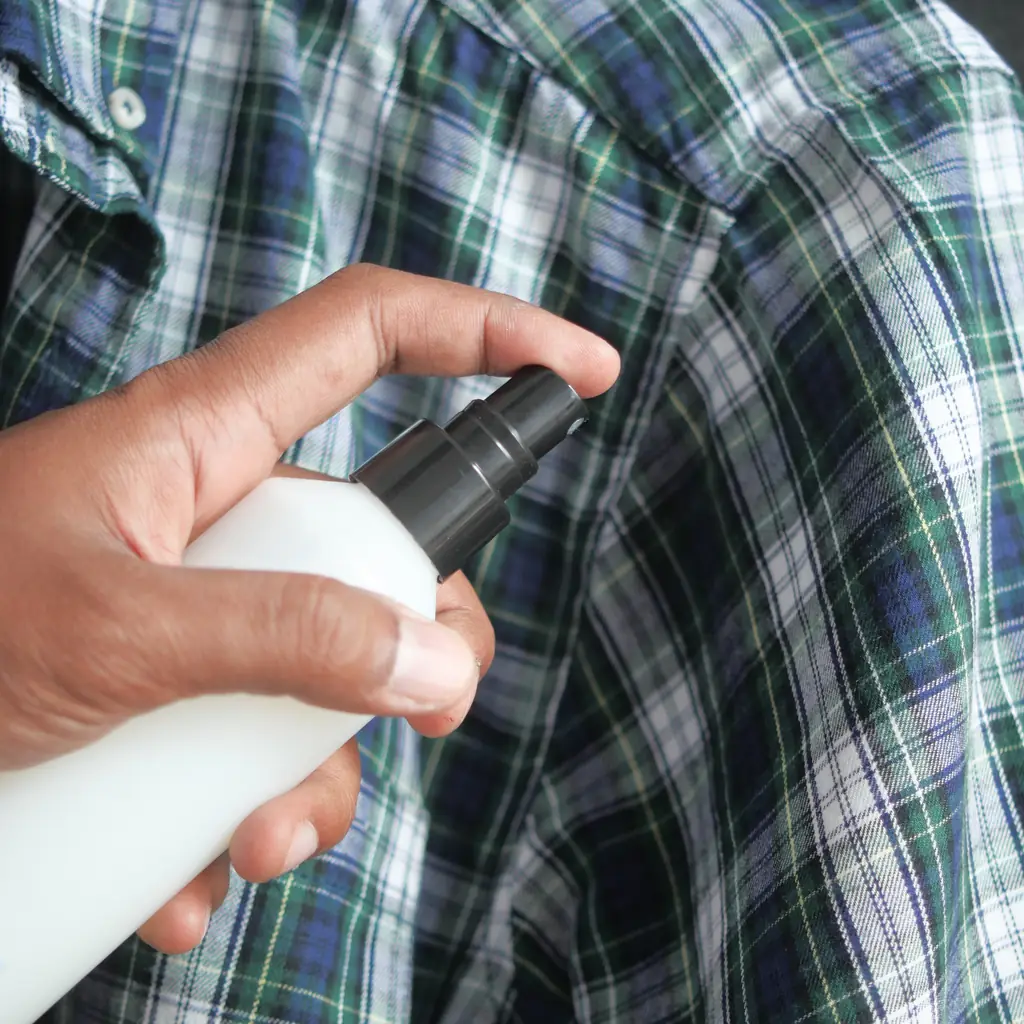
Since the iron stays home, the question is how a jacket survives a suitcase. Royal Caribbean’s own packing guide suggests anti-wrinkle spray in its place, and a travel-size bottle weighs about three ounces.
Repeat cruisers also bring four or five slim hangers. The wardrobe often holds a dozen for two people, and the formal pieces need them most. A shirt hung in the bathroom during a hot shower loses most of its creases.
For the one outfit that must be sharp, the ship’s pressing service is priced per item, and some lines fold laundry or pressing into their upper loyalty tiers; see which cruise loyalty perks are worth chasing.
14. Something festive for a Christmas or New Year's Eve at sea

A holiday sailing adds evenings a summer cruise never had: a Christmas Eve dinner, a New Year’s Eve countdown on the pool deck, and on sailings over Thanksgiving, which falls on November 26 in 2026, a dining-room dinner that many passengers dress for.
Experienced cruisers pack one item that photographs well in a crowd: a sequined top, a red tie, or a holiday sweater in case the ship schedules an ugly-sweater night, which many do. It weighs little and earns its place in every photo from the week.
For what those evenings are actually like on board, read what cruising over Thanksgiving, Christmas or New Year’s is really like before you pack.
15. Magnetic door decorations, not taped ones
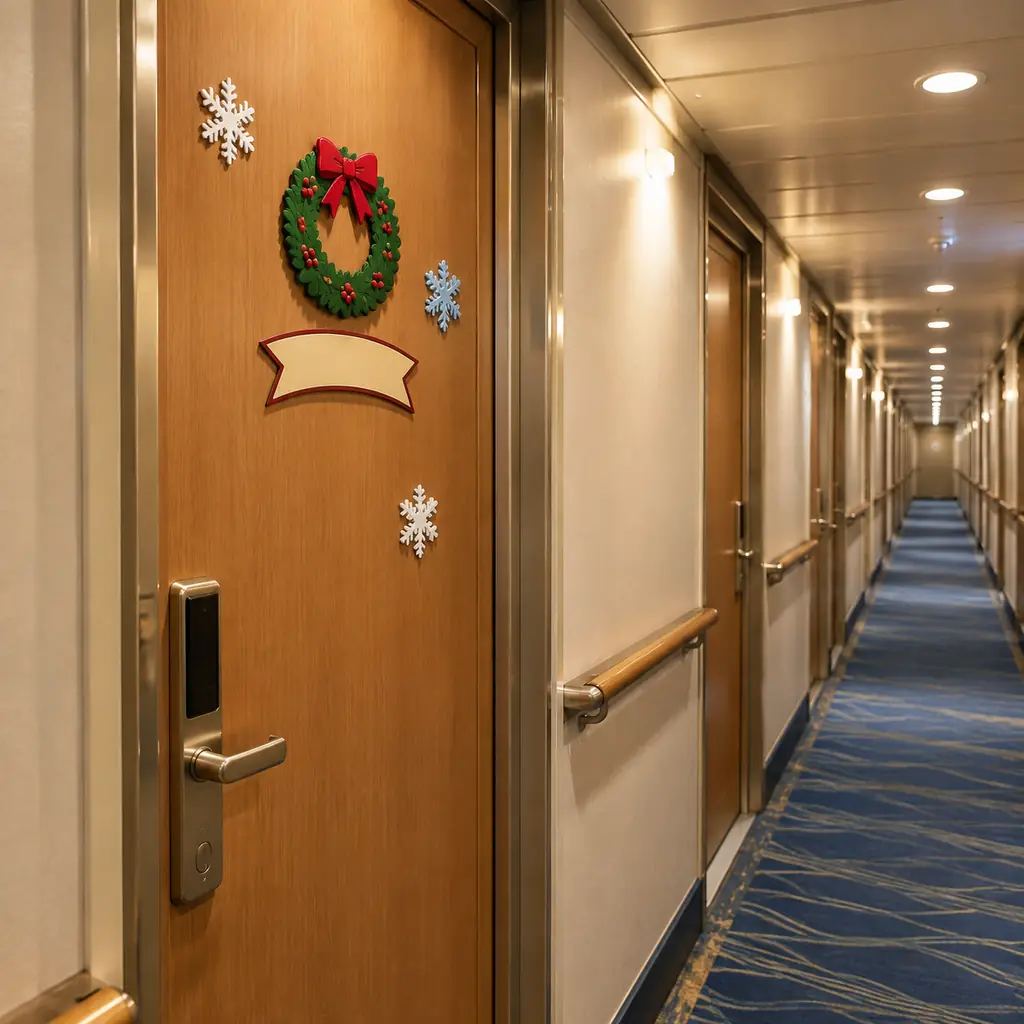
Decorating the cabin door is a holiday tradition, and the rules now center on magnets. Carnival allows magnets on the door itself but no tape or glue, nothing on the frame or walls, and fire-retardant materials only (Carnival decoration guidance). Royal Caribbean’s conduct policy says materials on stateroom doors and corridors need ship management’s permission (Royal Caribbean conduct policy). Norwegian’s prohibited list bans paper door decorations outright because they burn (Norwegian prohibited items).
Flat holiday magnets weigh nothing. A taped wreath comes down on the steward’s first round, and the passenger may be billed for the paint.
If you are still choosing where on the ship that door will be, start with the cabins experienced passengers won’t book again.
16. Small, flat gifts for a family holiday sailing
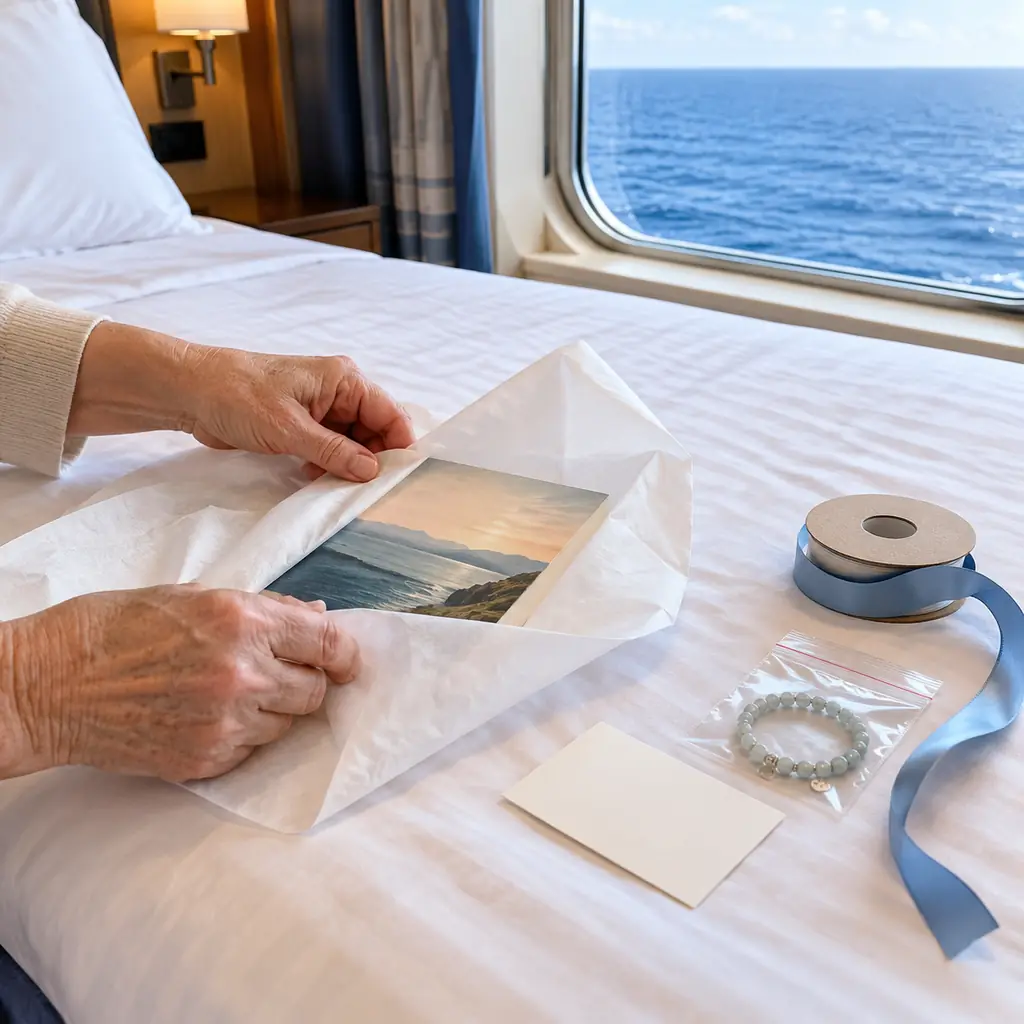
Grandparents sailing with the family over Christmas often try to carry a full gift haul aboard. The cabin has nowhere to hide it, and anything wrapped may have to be unwrapped at screening.
Longtime cruisers bring small, flat gifts: a gift card, a paperback, a bracelet, a few stocking items in a zip bag. They wrap on the last sea day with tissue paper carried flat in the suitcase, and they let the ship’s gift shop supply anything bulky.
The rest of what grandparents wish they had known before a cruise with the grandkids applies to the packing as much as to the week itself.
17. A packable down jacket worn onto the ship from a northern port

Winter 2026-27 sailings leave the Manhattan Cruise Terminal on Norwegian Bliss and Cape Liberty in Bayonne, New Jersey, on Odyssey of the Seas, according to Cruisebound’s roundup of winter cruises from New York, and Carnival homeports Carnival Pride and Carnival Miracle in Baltimore. The pier in January is often near or below freezing, and the first two sea days are cold.
Experienced cruisers wear the bulky layer onto the ship instead of packing it: a packable down jacket that stuffs into its own pocket, worn over a fleece.
First-timers pack for the destination and stand on an open deck at sailaway in a T-shirt while the ship passes under the Verrazzano-Narrows Bridge.
18. A hat, gloves and a scarf that fit in the day bag

For the two sea days south from New York or Baltimore, the outdoor decks stay cold, and a 20-knot wind over the bow makes a 40-degree morning feel much colder. A hat, gloves and a scarf take up the space of a paperback.
Repeat cruisers wear them for the morning walk on the promenade deck, then pack them in the dry bag for the trip home, when the same two cold days happen in reverse.
Also useful on the warm days: the theater and dining rooms are air-conditioned hard enough that many passengers carry a wrap or light sweater every evening regardless of the latitude.
19. Closed shoes and socks for the first two days, not only sandals

A pair of closed walking shoes covers the cold sailaway, the rainy port and the excursions that require closed-toe footwear. First-timers pack three pairs of sandals and one pair of dress shoes, then regret it on the first wet gangway.
What repeat cruisers do: wear the walking shoes on embarkation day, pack one pair of sandals and one dress pair, and stop there. Shoes are the heaviest thing in most suitcases.
Break the walking pair in before the cruise. A blister on day two shadows every port after it.
20. A dry bag for the tender and the beach
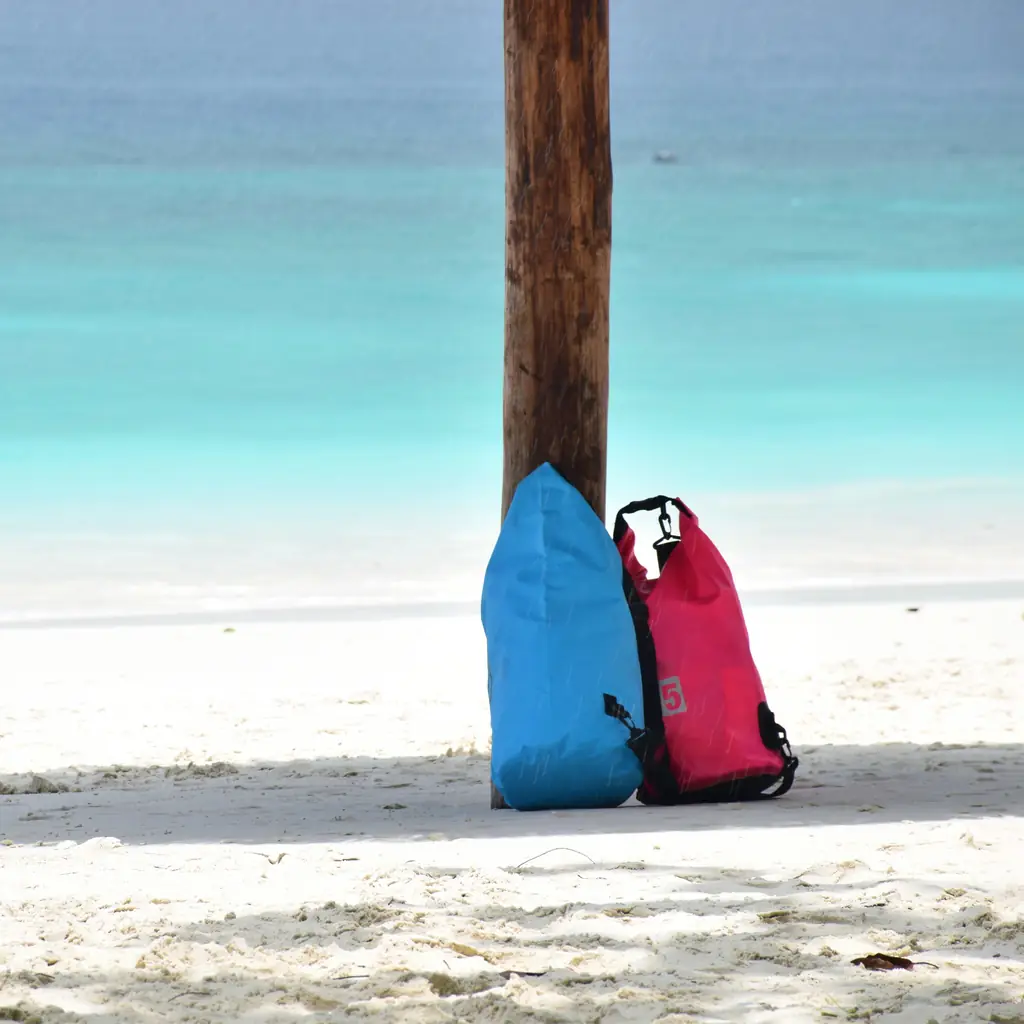
Tender boats splash, beach bags get kicked over, and a Caribbean rain shower arrives in minutes. A 10-liter roll-top dry bag keeps the phone, the key card, the cash and the paper copy of the all-aboard time dry.
Experienced cruisers clip it to the lounger and take it into the water at a beach club, where a locker costs money and a towel pile is a target.
For the rest of the port-day routine, including the habit of picking one main activity per port, see how to get the most from a first cruise.
21. Water shoes for rocky or coral beaches

The picture of the beach never shows the rocks under the water line. Many Caribbean and Mexican beaches have coral rubble, sea urchins or sharp limestone at the entry.
A pair of water shoes weighs a few ounces and doubles as the shoe for the water slide, the tender steps and the shower in a shared cabin. First-timers carry snorkel gear they use once and no water shoes at all.
Check the excursion description: cenote tours, river tubing and waterfall hikes often require closed water shoes, and operators will rent you a worse pair at the site.
22. Small bills in U.S. dollars for tips, taxis and beach chairs
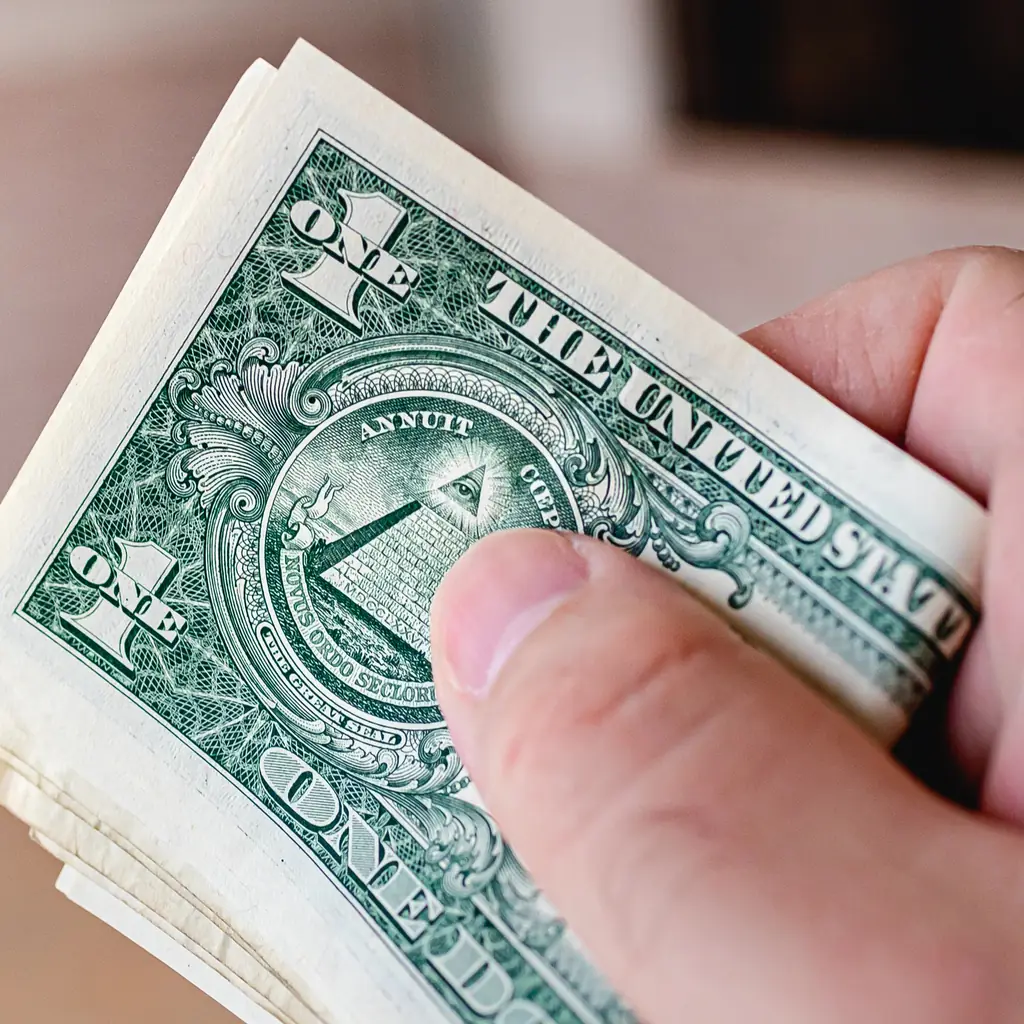
U.S. dollars are accepted at most Caribbean cruise ports, but change comes back in local currency, and a $20 bill for a $3 chair rental is a losing trade. Experienced cruisers carry forty or fifty dollars in ones and fives on each port day, kept in the dry bag.
The bills pay the porter at the terminal, the taxi driver who waited, the beach attendant and the musician by the pier.
For the larger port-day decisions, such as whether a ship tour beats a taxi and an attraction ticket, work through the cruise tips that make vacation money go further.
23. Mineral sunscreen where the law demands it

Hawaii’s Act 104 bans the sale and distribution of sunscreen containing oxybenzone or octinoxate, effective January 1, 2021 (Hawaii Act 104). The U.S. Virgin Islands go further: oxybenzone, octinoxate and octocrylene are banned throughout the islands, and the territory’s tourism office says only non-nano mineral sunscreens are allowed by law (Visit USVI).
Repeat cruisers buy a zinc-oxide sunscreen at home, where it costs less than in a port shop or the ship’s store, and bring a second tube for the person who forgot.
The consequence of guessing: a bottle that is legal in Florida is not legal on St. Thomas, and the beach-club shop knows it.
24. Motion remedies bought before boarding, not from the ship's shop

The CDC’s advice is that motion-sickness medication works best when taken before exposure, not after symptoms start (CDC Yellow Book). The scopolamine patch is prescription-only in the United States, takes six to eight hours to start working and lasts about 72 hours; meclizine and dimenhydrinate are sold over the counter and take about two hours.
Experienced cruisers settle on a remedy with their doctor before the trip, especially since the CDC notes scopolamine is not suitable for travelers with glaucoma or those at risk of urinary retention.
First-timers wait until the ship starts moving off New York in January, then pay ship-shop prices for a remedy that cannot catch up.
25. Every medication, and a small first-aid kit, in the carry-on
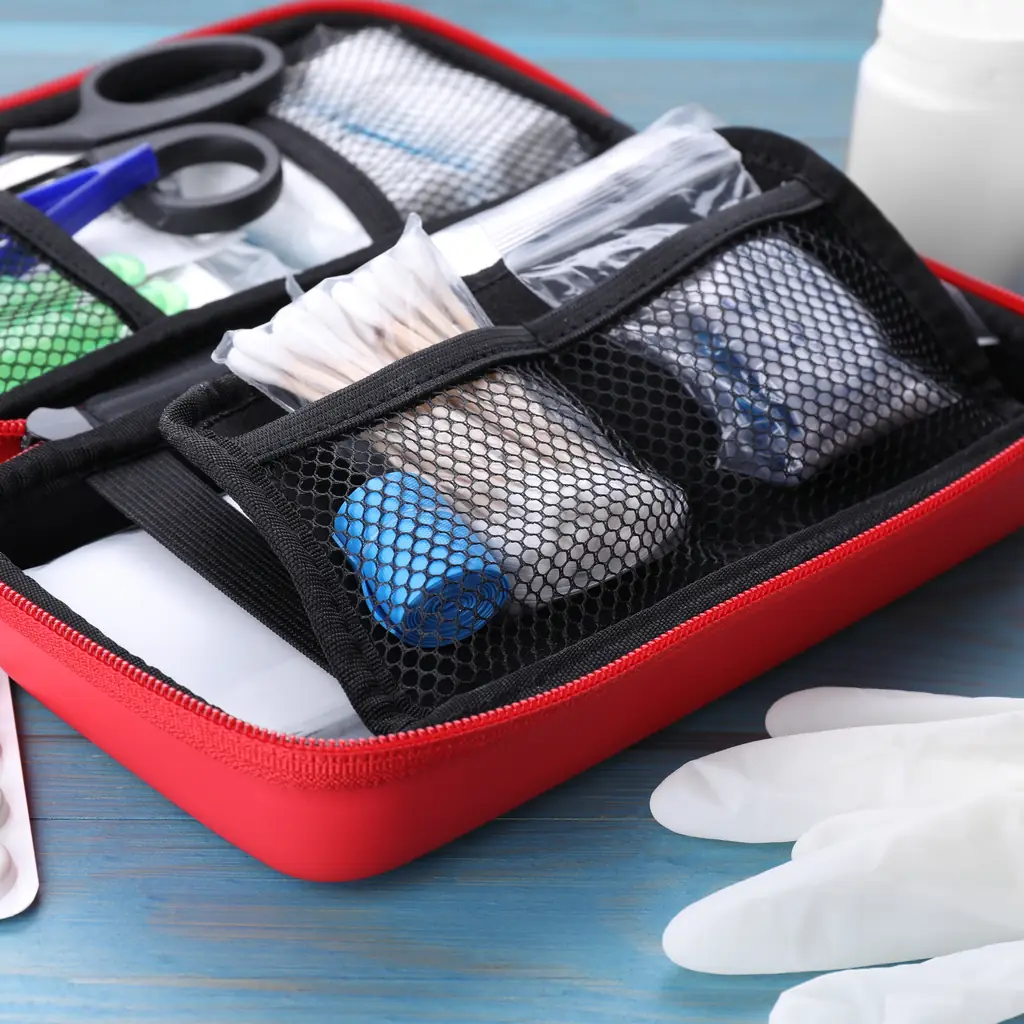
Checked suitcases on a cruise can reach the cabin hours after boarding. Royal Caribbean suggests carrying all medications in hand luggage, in their original labeled containers, with at least three extra days of supply in case the itinerary changes (Royal Caribbean packing FAQ).
The small kit regulars carry: bandages, blister pads, an antacid, an antihistamine, a pain reliever and an anti-diarrheal, because the ship’s medical center charges for a consultation that a pharmacy visit at home would have avoided.
Handing the bag with the pills to a porter at the terminal is one of the first-cruise mistakes that can spoil a vacation.
26. A passport even on a closed-loop cruise, and photos of everything
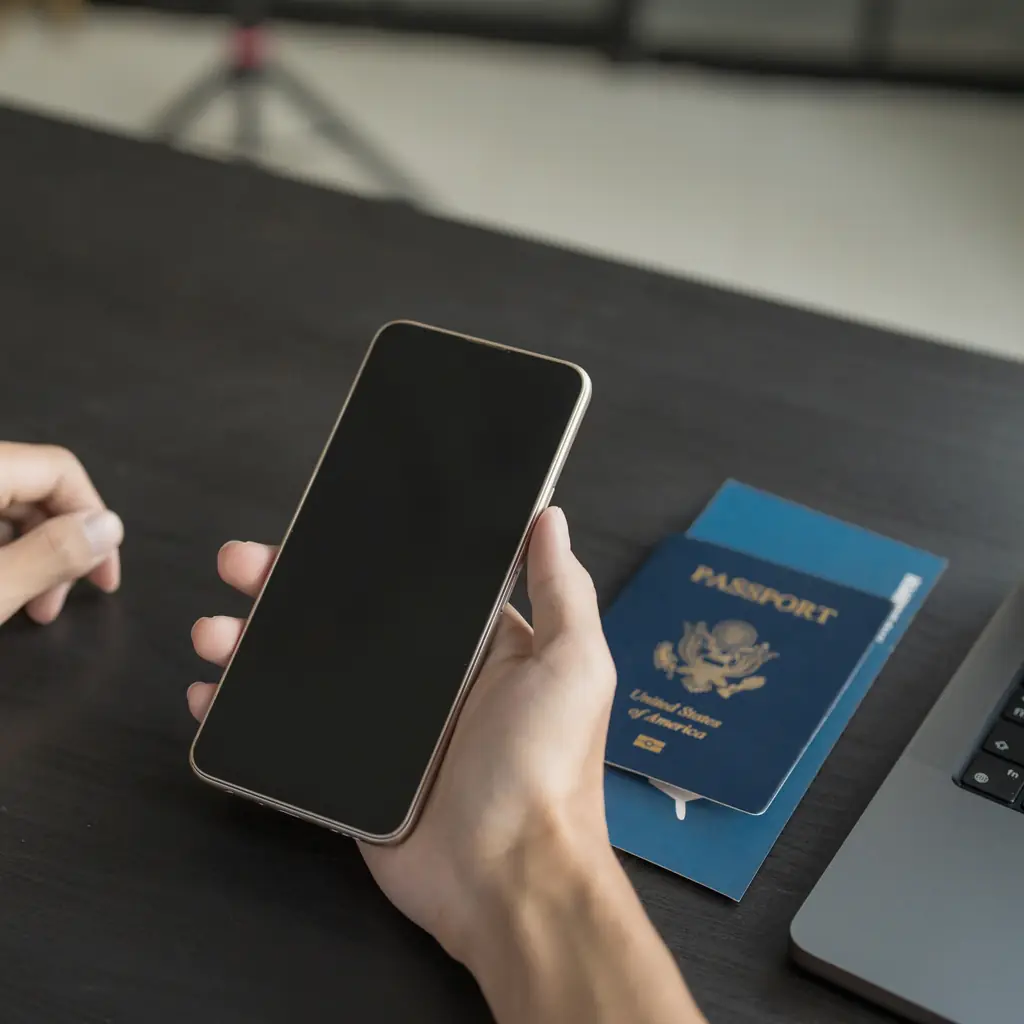
U.S. Customs and Border Protection allows U.S. citizens on closed-loop cruises, which begin and end at the same U.S. port, to re-enter with a birth certificate and a government-issued photo ID (CBP travel documents). Experienced cruisers bring the passport anyway.
The reason: if you miss the ship in Cozumel or need to fly home from San Juan for a family emergency, the airline needs a passport, not a birth certificate. CBP also notes that the countries on the itinerary may require one.
Before boarding, photograph the passport, the insurance card, the prescription labels and the inside of the packed suitcase. A lost-bag claim is easier with a picture of what was in it.
27. The beach towel and hair dryer that never leave the suitcase
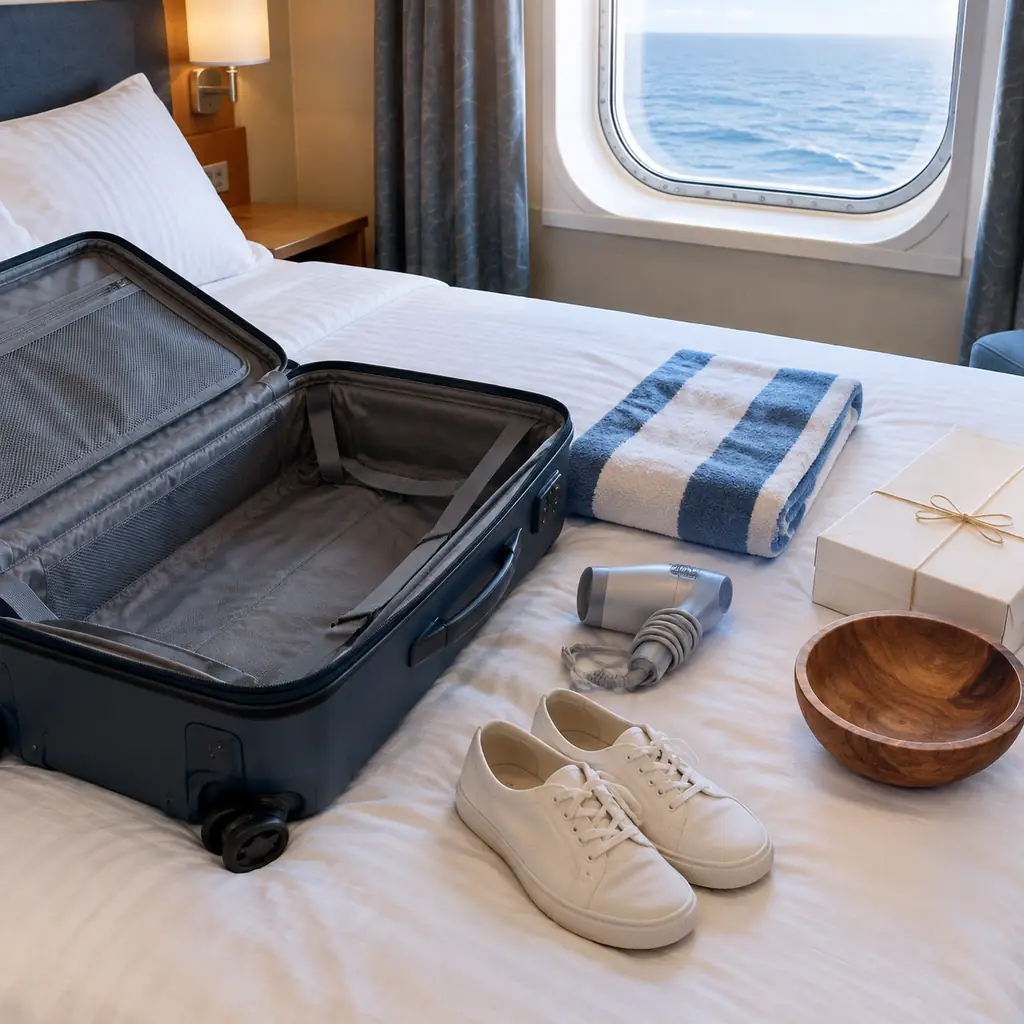
This is the item experienced cruisers pack by leaving it at home. Ships supply pool and beach towels, and Carnival’s own packing article points out there is already a hair dryer in the cabin and no need to bring a beach towel (Carnival packing guide). The travel iron is confiscated, and the fourth pair of shoes goes unused.
What fills the space they would have taken is nothing, and that empty space is the real giveaway. Longtime cruisers come home with the rum cake, the duty-free bottle and the hand-carved bowl because the suitcase left with room for them.
First-timers come home sitting on the lid.
Policies change, and the linked pages are the ones to re-check in the week before you sail. The pattern behind the list does not change: the cabin is small, the ship supplies more than first-timers expect, and the terminal takes anything with a heating element or a surge protector. Pack for those three facts and the suitcase closes easily.